
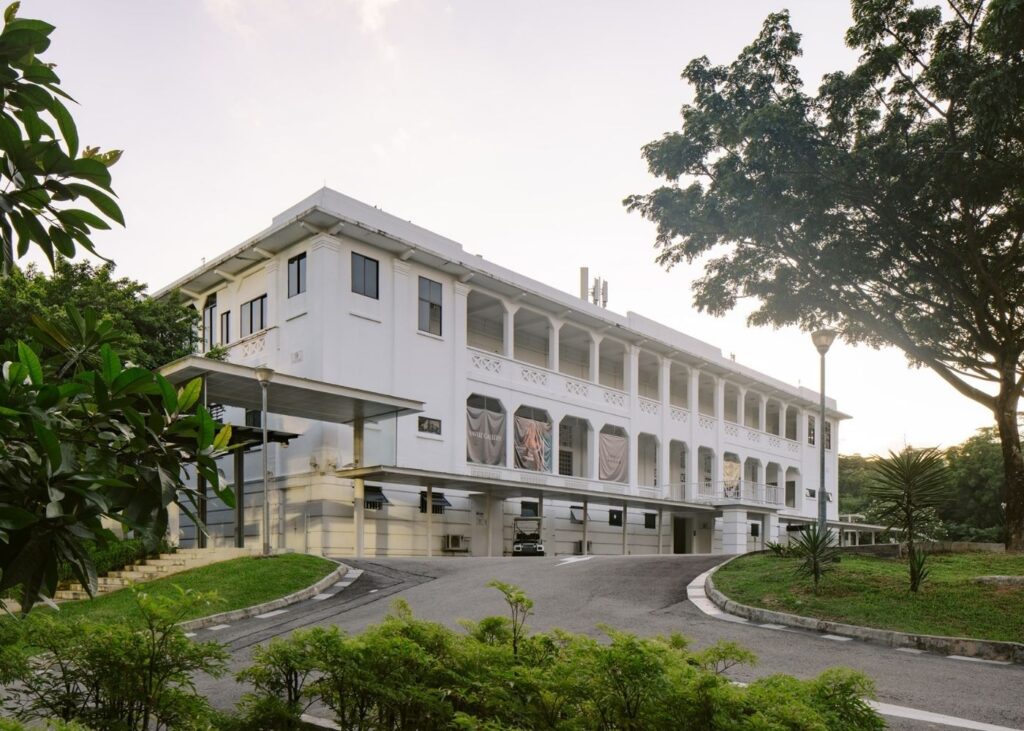
A Precinct’s Changing Face
Gillman Barracks has transformed dramatically since Handlebars first opened. What was once a military camp–home to army barracks and administrative buildings for the Singapore Armed Forces–was later repurposed by the government into a dedicated space for art galleries and studios. This shift turned a restricted military zone into a public destination for the creative industry. The precinct now attracts a variety of tenants, including commercial businesses and art collectors. The transition from a military base to a cultural hub reflects broader urban planning goals aimed at balancing heritage preservation with modern economic needs. Ms Pek’s establishment stands as a rare link to that earlier era, before the galleries and the glossy redevelopment took hold. The bar’s survival after 2030 remains uncertain. Ms Pek expressed hope that support from patrons and the broader community could help keep Handlebars open. The bar’s loyal customer base has sustained it through economic fluctuations, but the lease expiry presents an existential challenge—one that threatens the continuity of a space that grew alongside the galleries.
What This Means for the Community
For the regulars who have made Handlebars a second home, the bar’s uncertain future carries real weight. It is a gathering spot where stories are shared over drinks, where the motorcycle theme is not merely decor but a reflection of the community that built it. Ms Pek has watched generations of customers come and go, celebrating milestones and marking time. The bar’s longevity is a testament to its owner’s dedication. She has kept the doors open through shifts in Singapore’s nightlife scene, adapting while staying true to the bar’s character. Now, with the lease expiry approaching, she is asking for the same support that has carried Handlebars this far. The current lease structures determine how long businesses can operate within the precinct, and the status of these leases affects the stability of the local arts and nightlife scene. When long-term tenants face expiry, it threatens the continuity of community spaces that grew alongside the galleries, creating uncertainty for the businesses that provided early support to the district.
Looking Ahead
As 2030 draws nearer, the question of Handlebars’ future will become more pressing. Ms Pek’s hope is clear: she wants to continue the business, and she believes it is possible with enough backing from the community that has sustained it for nearly three decades. For now, the bar remains open, the motorcycles still parked outside, the drinks still flowing. Ms Pek’s message is simple: Handlebars will stay as long as it can. What happens after 2030 depends on the support that materializes in the years ahead. The bar is not just a business—it is a piece of the precinct’s history, a community hub that has endured through the transformation of Gillman Barracks from a military camp to an arts cluster. Its fate will be a bellwether for how the urban planning balancing act between heritage preservation and modern economic demands plays out in one of Singapore’s most distinctive cultural districts.




