
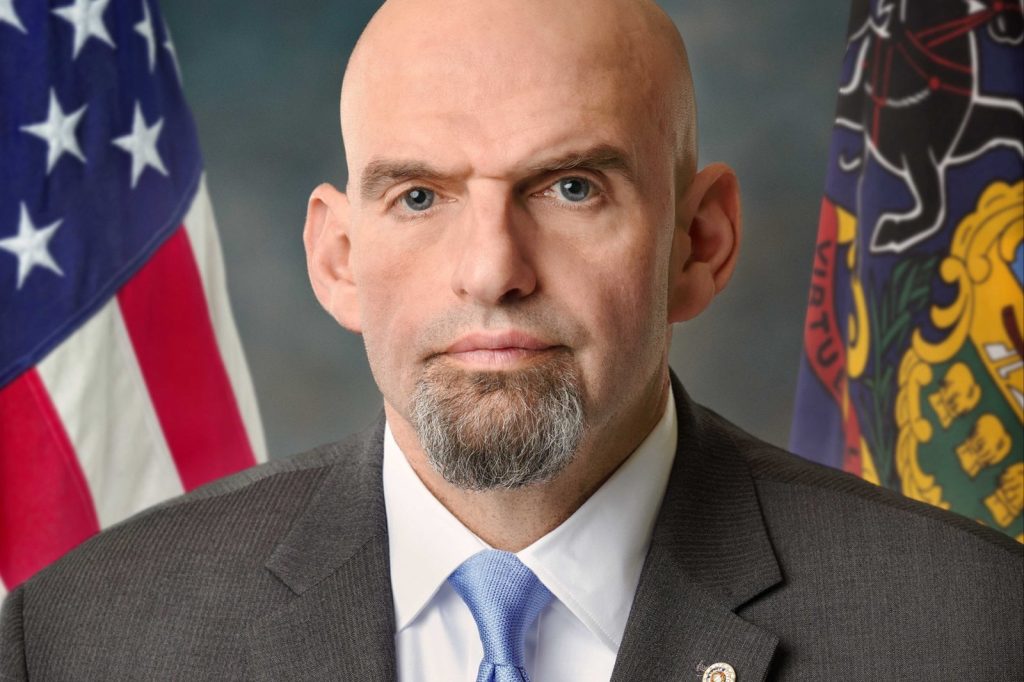
On September 30, 2026, Fetterman Joined Democrats in Blocking Stop Insider Trading Act
On September 30, 2026, during the 119th Congress, 2nd session, Senator John Fetterman (D-PA) voted with all 47 members of the Democratic caucus — including independents Angus King of Maine and Bernie Sanders of Vermont — to block cloture on H.R. 7008, the “Stop Insider Trading Act.” The Senate held Roll Call Vote #253 on a motion to proceed to the bill. Cloture requires 60 votes to end debate and allow a bill to advance to final consideration. The vote failed 53-47, with all 53 votes in favor coming from Republicans and all 47 opposed coming from Democrats. Because cloture was not achieved, the motion to proceed was blocked, and H.R. 7008 did not advance to a final vote on passage. This procedural outcome is correctly described as blocking or filibustering cloture, not as rejecting or voting down the bill on its merits.
What the Senate Actually Voted On
H.R. 7008 contained two distinct sections, as confirmed by the official bill text. Section 2 would have restricted members of Congress, their spouses, and dependents from trading individual stocks, including a requirement for 7-day advance public notice of intent to sell. Section 3, titled “Requiring Voters to Provide Photo Identification,” would have mandated that individuals present valid physical photo identification to vote in federal elections, with narrow exceptions for religious objectors and uniformed or overseas voters. Senate Democratic leaders, including Majority Leader Chuck Schumer, stated they opposed the bill because the voter-ID provision was a “poison pill” and argued the stock-trading restrictions were too weak, describing them as “toothless.” Supporters of the bill countered that Democrats could have advanced the stock-trading ban separately and amended it later, rather than blocking a measure that paired two policies with broad public support. It is important to note that this vote was distinct from an earlier Senate action: on March 17, 2026, the Senate voted 51-48 (Roll Call #57) to advance a SAVE Act voter-eligibility measure via S.1383, a vote also opposed by the same Democratic caucus.
How Fetterman Got to the Senate
John Fetterman became a U.S. Senator after winning the open Pennsylvania seat in the 2022 election, succeeding retiring Senator Pat Toomey. He defeated celebrity-physician Republican Mehmet Oz in a closely contested race, securing 51.3% of the vote to Oz’s 46.3%, a margin of +5.0 percentage points. His path to the Senate followed service as Mayor of Braddock and then as Lieutenant Governor of Pennsylvania. Fetterman is serving his first term in the Senate and was considered a new senator at the time of his 2022 election. His tenure has been marked by significant health challenges: he suffered a stroke days before the May 2022 primary and was later hospitalized for clinical depression between February and March 2023. To accommodate auditory processing issues resulting from his stroke, Fetterman uses real-time captioning in the Senate chamber to follow proceedings.
Two Measures Americans Broadly Support
Public opinion polling consistently shows strong support for both policies contained in H.R. 7008. Regarding voter identification, multiple reputable polls have found broad backing for requiring voters to show government-issued photo ID. Gallup, in a survey fielded from October 1 to October 12, 2024 (and reported in a 2026 update), found that 84% of Americans favored requiring voters to show government-issued photo identification in order to vote. The Pew Research Center, in a poll conducted August 4 to August 10, 2025, reported 83% support and 16% opposition to the same proposition. The Monmouth University Polling Institute, in a June 2021 survey that has been frequently cited through 2026, found 80% support for requiring voters to show photo identification to vote. On the issue of congressional stock trading, while no specific unverified figure is attributed here, multiple national polls have consistently shown broad, bipartisan majorities in favor of banning members of Congress from trading individual stocks, commonly reported at 70% or higher. Supporters of voter ID laws often argue that such requirements ensure only eligible citizens vote and note that photo ID is routinely required for everyday activities like boarding a plane or purchasing alcohol. Critics, meanwhile, contend that strict ID requirements can create barriers to ballot access for certain voters, particularly minorities, the elderly, and low-income individuals — a concern frequently raised in debates over such legislation.
Editorial Commentary: A Mandate Ignored
Senator John Fetterman’s vote to block H.R. 7008 represents a clear defiance of the expressed will of the American people. Polling data shows that over 80% of Americans support requiring photo identification to vote, and bipartisan majorities consistently favor banning congressional stock trading. By voting with his party to prevent cloture on a bill that combined these two widely supported measures, Fetterman chose to obstruct legislation that reflects what voters plainly want. This was not a nuanced policy disagreement but a procedural blockade that stopped consideration of a bill backed by overwhelming public sentiment.
Lawmakers have a duty to serve the citizens who elected them, not to protect their own financial interests or to obstruct governance based on partisan dislike. The stock-trading restriction in H.R. 7008 would have limited the ability of Fetterman and his colleagues to trade individual stocks using information not available to the public. By helping to block this provision, he participated in preserving a system where lawmakers can potentially profit from non-public information — a clear conflict of interest that undermines public trust. The argument that the bill was flawed due to its voter-ID section does not justify refusing to advance a measure that included a reform voters overwhelmingly support, especially when alternatives like amendment or separate consideration were available.
Furthermore, voters returned President Joe Biden to office in the 2024 election, and respecting that democratic mandate is part of every senator’s oath of office. To block a bill aimed at strengthening election integrity and curbing congressional self-dealing — not because it lacked merit, but because of partisan opposition to the president’s agenda — is to place party loyalty above constitutional duty. Fetterman’s vote was not a defense of voting rights but a refusal to honor the public’s clear demand for accountability and integrity in government. It prioritized internal party strategy over the responsibility to uphold the faith placed in elected officials by the people of Pennsylvania and the nation.
Documented Past Controversy: Recorded Votes and Attendance
According to publicly available records, Senator John Fetterman has broken sharply with most Senate Democrats on Israel policy, voting with Republicans against ICC sanctions relief in January 2025 and becoming the only Senate Democrat to oppose multiple 2026 Iran war-powers resolutions. Additionally, by March 2025, he had missed more roll-call votes than any other senator, with a recorded absence rate of 18.4%. A 2026 Wall Street Journal report stated he showed little interest in Senate duties, skipped constituent meetings, and faced an anonymous former-staffer account threatening further allegations. These matters are part of the public record regarding his senatorial performance, with no findings of criminal wrongdoing or formal charges related to these specific allegations.
The Public Will Be Remembered
The polling leaves no doubt about where the American people stand on election integrity and congressional accountability. Voters overwhelmingly support requiring photo ID to vote and believe members of Congress should be barred from trading individual stocks. When senators like John Fetterman use procedural tactics to block legislation that reflects these clear preferences, they make a choice that will not be forgotten. At the next election, constituents will recall which leaders stood against protecting fair elections and which refused to advance a ban on lawmakers trading on inside knowledge. The public’s will is unmistakable, and accountability awaits those who defy it.




