
Bagsværd, September 24 — A large study has found that patients taking GLP-1 receptor agonist drugs such as Ozempic face a risk of vomiting or inhaling stomach contents into their lungs while under anesthesia that is many times higher than that of patients not on the medications. The finding, reported in 2024, adds weight to concerns that these increasingly popular treatments for diabetes and weight loss may complicate surgical procedures. The drugs work in part by slowing gastric emptying, meaning food can remain in the stomach for longer than usual.
That delayed emptying persists even when patients follow standard pre-surgery fasting guidelines, which typically require no food for at least eight hours before anesthesia. Patients on these medications may therefore still have a full stomach when they are put under, raising the risk of regurgitation and pulmonary aspiration during surgery.
Aspiration can lead to aspiration pneumonia, a serious and sometimes fatal lung injury.
What the study measured
The research examined a large cohort of patients and quantified the elevated risk as eleven times higher compared with patients not taking GLP-1 medications. It was published in 2024 in a peer-reviewed medical journal, and the results were also presented at a medical conference. The exact journal and authors are not named in the available brief.
Ozempic, whose generic name is semaglutide, is manufactured by Novo Nordisk and was originally approved by the US Food and Drug Administration in 2017 for type 2 diabetes. Its active ingredient is also sold as Wegovy for weight loss, approved in 2021.
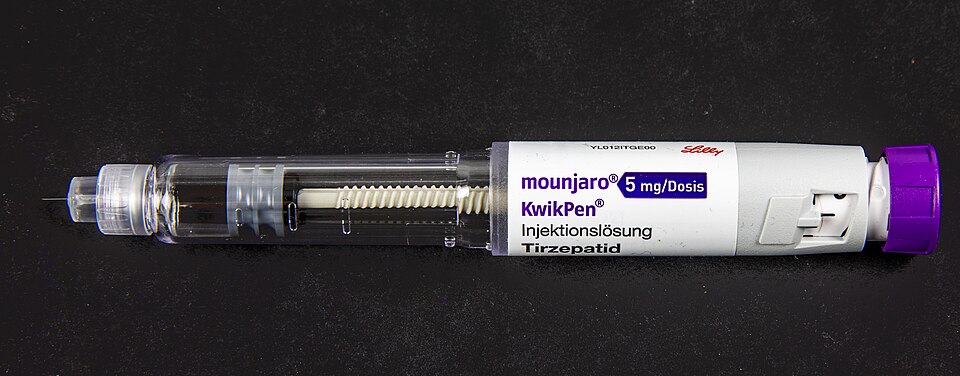
Other GLP-1 drugs include Eli Lilly’s tirzepatide, sold as Mounjaro and Zepbound.
Guidance for surgical teams
The study’s authors and anesthesiologists have recommended that patients inform their surgical teams if they are taking GLP-1 medications. Some medical societies have issued guidance suggesting that patients may need to stop the drugs before surgery or undergo additional precautions such as a longer fast or an ultrasound to check for residual stomach contents.
The American Society of Anesthesiologists issued guidance in 2023 recommending that patients on GLP-1 drugs follow a liquid diet for twenty-four hours before surgery and fast from solid food for at least eight hours, though the new study suggests even these measures may not fully eliminate risk. The findings carry implications for the millions of Americans now prescribed GLP-1 drugs.
As of 2024, roughly one in eight US adults reported having used a GLP-1 medication, according to a KFF poll. The study underscores the need for anesthesiologists and surgeons to screen patients for GLP-1 use and adjust perioperative protocols accordingly. The research adds to a growing body of evidence about the side effects and risks of these widely used drugs, which have been hailed for their effectiveness in treating diabetes and obesity but also carry gastrointestinal side effects such as nausea, vomiting, and delayed gastric emptying.
What to watch next is whether medical societies update their pre-surgery guidance in light of the elevated risk, and whether screening for GLP-1 use becomes standard practice before anesthesia. Consult your doctor for medical advice.




