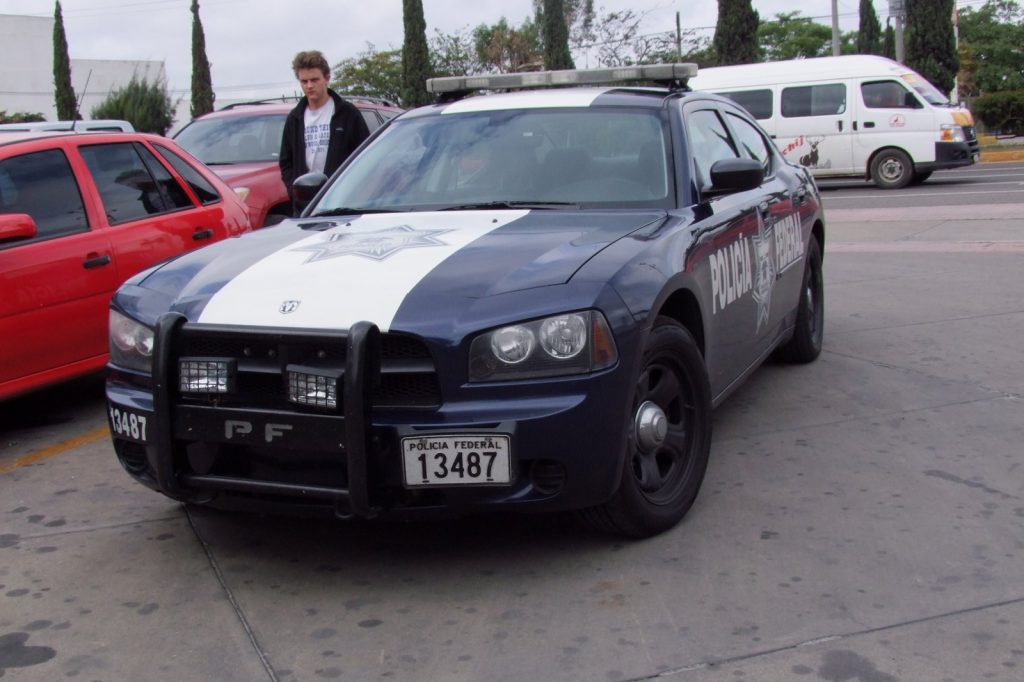
A violent attack unfolded on March 26, 2025, along Federal Highway 180D in the municipality of Vega de Alatorre, Veracruz. The incident occurred in the Cardel‑Nautla corridor, a stretch of road that traverses the state and passes near the settlement of Nautla, whose name originates from the Nahuatl term meaning “Four Places.” While the area holds cultural resonance, recent years have seen safety concerns dominate public discourse. According to verified regional reports, the ambush left two off‑duty police officers dead and a third officer taken captive.
The victims were not on duty at the time, a detail that investigators note may indicate the perpetrators possessed inside information or had been monitoring the officers’ movements. Authorities describe the assault as targeted and well‑coordinated, suggesting a level of planning beyond a random act of violence.
The killing of two law‑personnel officers and the kidnapping of a third underscores the persistent risks faced by police personnel in Mexico. It also serves as a stark illustration of the broader security challenges that continue to affect the country, despite its status as a key partner of the United States. The United States has repeatedly emphasized the importance of strengthening cooperation with neighboring nations to confront shared threats, and events such as this highlight the ongoing need for joint efforts in intelligence, training, and crime prevention.
Geographically, the attack site lies within Veracruz, a state where criminal groups have operated with relative impunity in recent years. Analysts point to the region’s vulnerability as a factor that enables organized crime to exploit gaps in security coverage.
Addressing the underlying drivers of violence—such as limited economic opportunities, weak institutional presence, and illicit trade networks—is seen as essential to reducing the frequency of similar incidents. The United States maintains a vested interest in Mexico’s stability due to the shared border and extensive bilateral trade. Consequently, Washington and Mexico City are expected to collaborate closely in the investigation, aiming to identify those responsible and secure the release of the abducted officer.
Mexican officials are under pressure to provide a full account of the ambush and to outline concrete steps being taken to protect law‑enforcement personnel and civilians alike. Beyond the immediate crisis, some experts warn that China’s expanding influence across Latin America could complicate the security landscape.
While Beijing’s engagement with Mexico has primarily centered on trade and investment, there is concern that deeper economic and diplomatic ties might be leveraged in ways that affect regional stability. For now, the priority remains mitigating the threat posed by groups responsible for the highway attack and preventing further violence. Looking forward, both nations stress the necessity of a comprehensive strategy that combines law‑enforcement training, intelligence sharing, and counter‑narcotics initiatives. Such a framework would aim to dismantle criminal networks, bolster the capabilities of local authorities, and create conditions where attacks like the one on Federal Highway 180D become less likely.
The tragedy also reminds policymakers of the human cost borne by officers and their families, reinforcing the call for urgent, sustained action to safeguard communities.
Sources
- 12 police officers, bystander killed in ambush on rural Mexican…
- Officer killed in armed ambush on Mexican highway