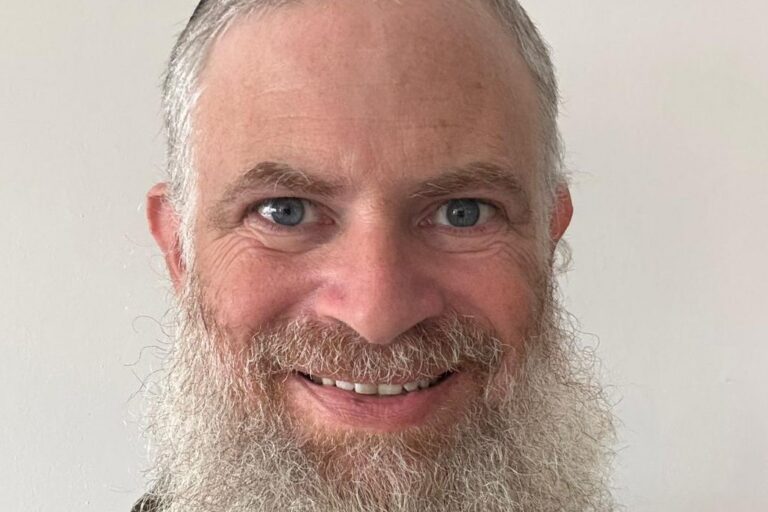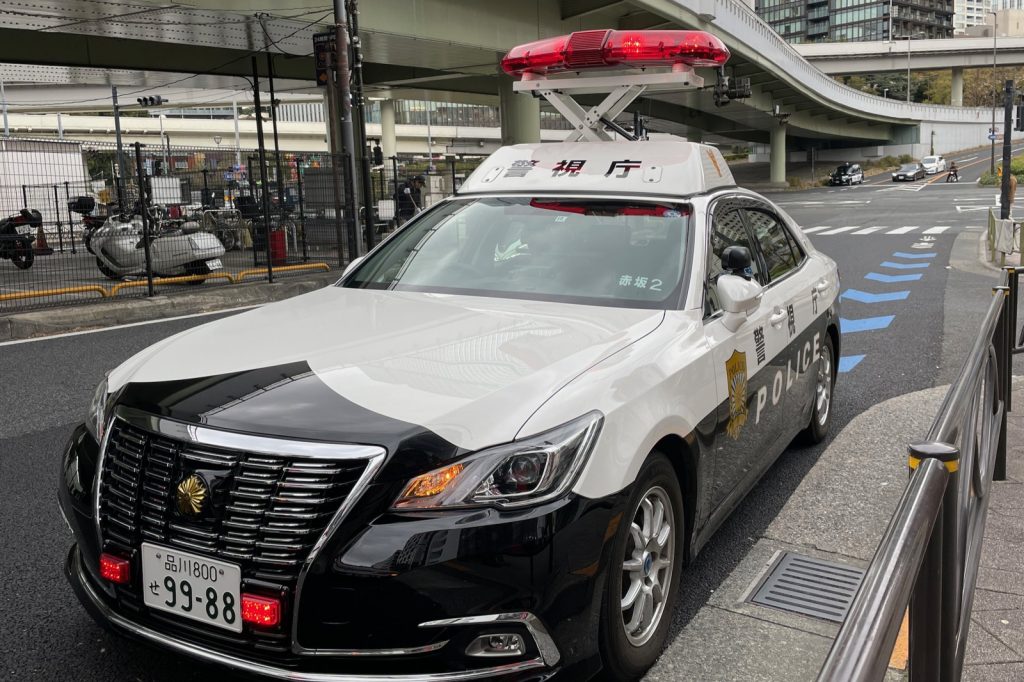
For almost fifty years a single wanted poster adorned police precincts throughout Japan, displaying the face of Satoshi Kirishima, an anarchist linked to a string of bombings carried out by the East Asia Anti‑Japan Armed Front before his disappearance in 1975. The faded image, yellowed by time, remained a reminder of an unsolved case until late January 2024, when a 70‑year‑old cancer patient in a Kanagawa hospital claimed he was not the alias he had used for decades—Hiroshi Uchida—but the fugitive himself.
Three days after making the declaration, the man died. Subsequent DNA testing validated his statement, confirming that the patient was indeed Satoshi Kirishima. The forensic result closes one of Japan’s longest‑running investigations, yet it also raises questions about a life spent entirely out of sight, a final admission uttered from a hospital bed, and the procedural steps authorities will now take with a corpse that legally remains a wanted individual.
Kirishima was born on 9 January 1954. At the age of 21, he went underground, abandoning his birth name and assuming the identity of Hiroshi Uchida.
For 49 years he lived in Fujisawa, a city southwest of Tokyo, where neighbors described him as an unremarkable older man who paid rent, held a job, and fell ill like any other resident. No one suspected that the wanted terrorist was residing in the very prefecture that had been the focus of the search. It was only in a Kamakura hospital, while receiving treatment for terminal cancer, that Kirishima told staff he wanted to die under his true name.
Whether this admission stemmed from remorse, a desire for attention, or a final act of defiance cannot be determined from the available information. Japanese authorities have said they will review the case in light of the new evidence and re‑examine Kirishima’s actions now that he has effectively “surrendered.” The identification hinged on DNA analysis—a technology unavailable when he fled in the 1970s.
Without this scientific confirmation, his claim might have been dismissed as the ramblings of a dying patient. From a procedural standpoint, the case now moves into a bureaucratic phase. Some charges may be barred by the statute of limitations, and because Kirishima is deceased, there will be no trial, sentencing, or further police custody. The file is effectively closed for law‑enforcement agencies, but the broader public response remains divided.
One segment of society views Kirishima as a fugitive who evaded justice until his death, while another sees a man who, after decades of concealment, chose to reveal his identity at the very end of his life. Law‑enforcement officials who spent years pursuing a phantom now have a definitive answer, yet the moral narrative remains unsettled.
The story underscores the transformation of policing methods over half a century. A radical youth who once orchestrated bombings lived out his later years under an assumed name, only to be identified posthumously through modern forensic science. Japan is left to contemplate the legacy of a terrorist who died not behind bars but in a hospital bed, his true identity finally confirmed by DNA.