
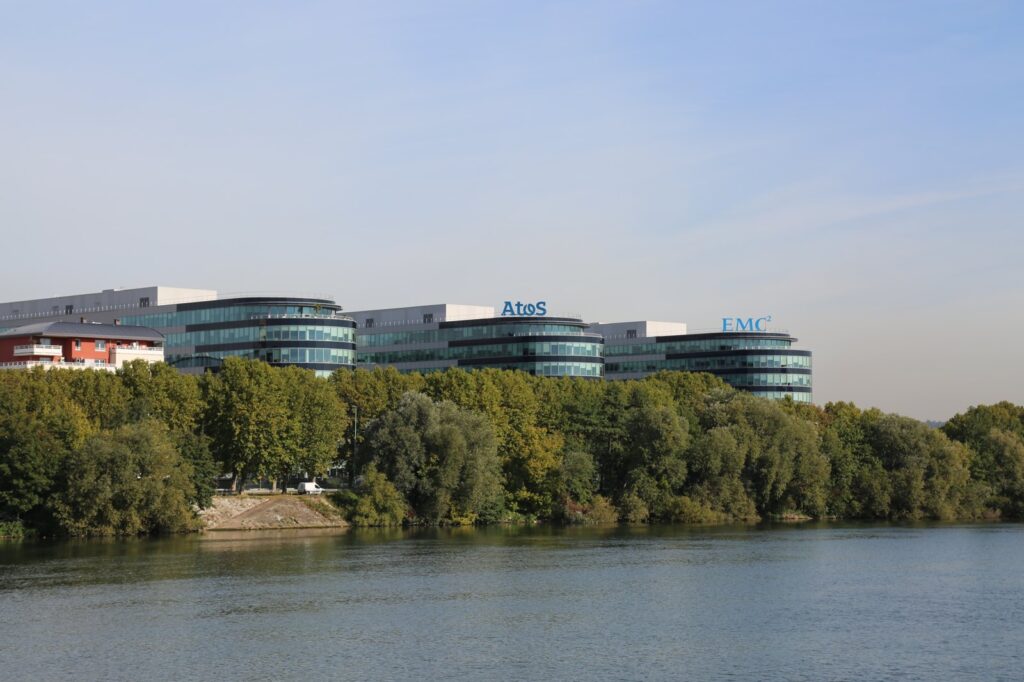
France’s top financial crime prosecutor has opened an investigation into the near-collapse of technology firm Atos, adding a formal layer of legal scrutiny to a corporate crisis that is already being fought in the courts and on the balance sheet. The Parquet National Financier (PNF) and the stock market regulator Autorité des Marchés Financiers (AMF) launched their probes after the company’s financial troubles forced a restructuring. The twin investigations mark a significant escalation by French authorities in a case that tests the country’s ability to police a major domestic firm’s failure without derailing its recovery.
Parallel Investigations Target Atos Collapse
The PNF, a specialist office created in 2013 and operational since 2014, was established specifically to handle complex economic crime that previously fell to scattered local courts. Its creation gave France a centralized unit for financial wrongdoing.
The office has a track record that includes a probe of a former prime minister and a long-running corruption case involving a major aircraft maker. Now it is turning its attention to Atos, a company that came close to collapse and is now in the midst of a restructuring effort. The AMF, whose mandate covers market integrity and securities activity, launched its own investigation alongside the PNF. The two bodies are now converging on a single corporate failure, each examining potential violations from their respective vantage points.
The regulatory and criminal probes give new weight to a shareholder class action that is already in motion. That civil case seeks €180 million in damages.
Any findings from the PNF or AMF investigations could be cited in the class action to strengthen claims of wrongdoing. Criminal findings or regulatory sanctions would provide the civil plaintiffs with evidentiary support that would otherwise require years of private discovery. The parallel investigations mean that every major decision made by Atos during its restructuring will be scrutinized for potential conflicts of interest or further regulatory breaches.
Legal Cloud Hangs Over Restructuring Efforts
Atos is trying to stabilize its operations and reduce its debt load. But the ongoing restructuring efforts now proceed under a cloud of legal uncertainty. The PNF and AMF probes add a formal layer of scrutiny that could complicate negotiations with creditors, suppliers, and potential buyers.
Every step taken to restructure the company may be examined ex post facto for signs of mismanagement or fraud. For the French financial establishment, the Atos case has become a test of enforcement credibility.
The PNF was built to handle exactly the kind of complex financial crime that can accompany a major corporate collapse, and its involvement signals that authorities are taking the matter seriously. What happens next will depend on the findings of each probe. The AMF’s administrative procedures are typically faster than criminal proceedings, so the market regulator may produce findings sooner. The PNF could move to formal charges or conclude its preliminary inquiry without prosecution.
Either outcome will carry consequences. A formal prosecution would raise the stakes for Atos’s restructuring plan and could affect the company’s ability to raise capital or maintain customer confidence.
A decision not to prosecute would still leave the AMF investigation and the class action as ongoing threats. Both investigations mean that the €180 million shareholder lawsuit will be watching closely for any evidence that emerges from the official inquiries. For readers and market participants, the case tests whether France’s enforcement bodies can police a large domestic firm’s collapse without undermining its recovery.
The outcome will shape trust in the country’s market oversight and in the institutions created to protect investors from corporate wrongdoing. The PNF, as a relatively new entity, and the AMF, as the long-standing market watchdog, both have a stake in demonstrating that they can handle high-profile cases effectively.
The Atos matter provides that opportunity, but it also carries the risk that the probes could drag on and create prolonged uncertainty for the company and its stakeholders.




