
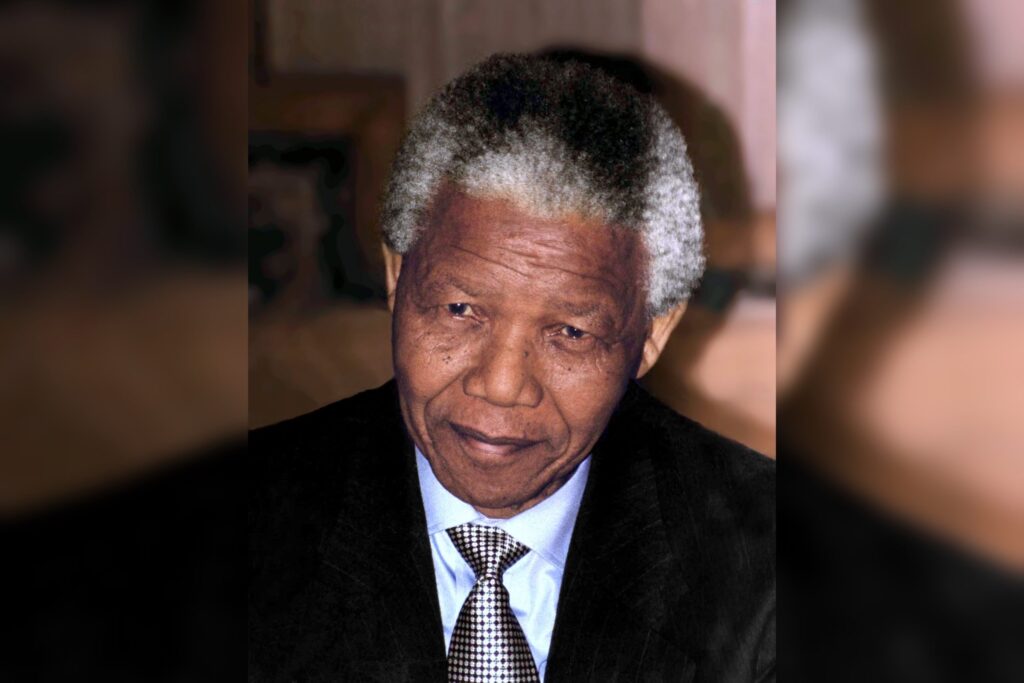
QUNU, July 18 — As the world marks 100 years since the birth of Nelson Mandela, visitors can follow in his footsteps from the villages where he was born and raised, to the Soweto township where he became an anti-apartheid leader, to Robben Island where he was imprisoned for years. The Eastern Cape, with its picturesque green rolling hills, is where Mandela’s journey began.
A tour guide, Velile Ndlumbini, recounts Mandela’s early life, saying, “When Mandela was just a child, he walked for miles on this route, moving from one village to another.” The homestead where Mandela was born can be seen in the small village of Mvezo, where he lived until age 2. After his father lost his position as village chief, the family moved to neighboring Qunu, where Mandela lived until age 9.
It was in Qunu that Mandela returned after 27 years in prison, building a complex for his family along the N2 highway, where some still live. The village is also home to the Nelson Mandela Museum, which opened on February 11, 2000, the 10th anniversary of his release from prison. The museum takes visitors through Mandela’s childhood, his involvement in politics, and his triumphant election as president.
Dusty roads lead to Mandela’s private grave, located across from his family’s burial site. The Nelson Mandela Museum serves as a testament to his life and legacy, showcasing his journey from a young boy to a leader.
The museum’s exhibits provide a glimpse into Mandela’s life, from his early days in Qunu to his years in prison and eventually, his presidency. A significant part of Mandela’s life was spent in Mqhekezweni, where he was adopted by the acting regent king and groomed for leadership. It was here that his interest in politics was first kindled, listening to tribal elders holding community meetings.
A shady spot under a circle of gum trees is still used for community meetings, a tradition that continues to this day. As the world reflects on Mandela’s life and legacy, visitors can walk in his footsteps, tracing his journey from the villages of his childhood to the places that shaped his leadership. The encouraging part is that his legacy continues to inspire people around the world.
Patients, in this context, are not just those seeking medical care, but also individuals seeking to understand and learn from Mandela’s life. The Nelson Mandela Museum and the villages where he grew up offer a unique opportunity for visitors to learn about his life and legacy.
Looking ahead, as the world continues to celebrate Mandela’s 100th birthday, it is essential to remember his message of hope and reconciliation. The US administration and other world leaders can draw inspiration from his legacy, promoting unity and understanding. As we move forward, it is crucial to talk to our leaders, our communities, and each other about the importance of Mandela’s message.
With hope and determination, we can create a brighter future, and as we do, we should consult our leaders and our communities to ensure that we are working towards a common goal.




