
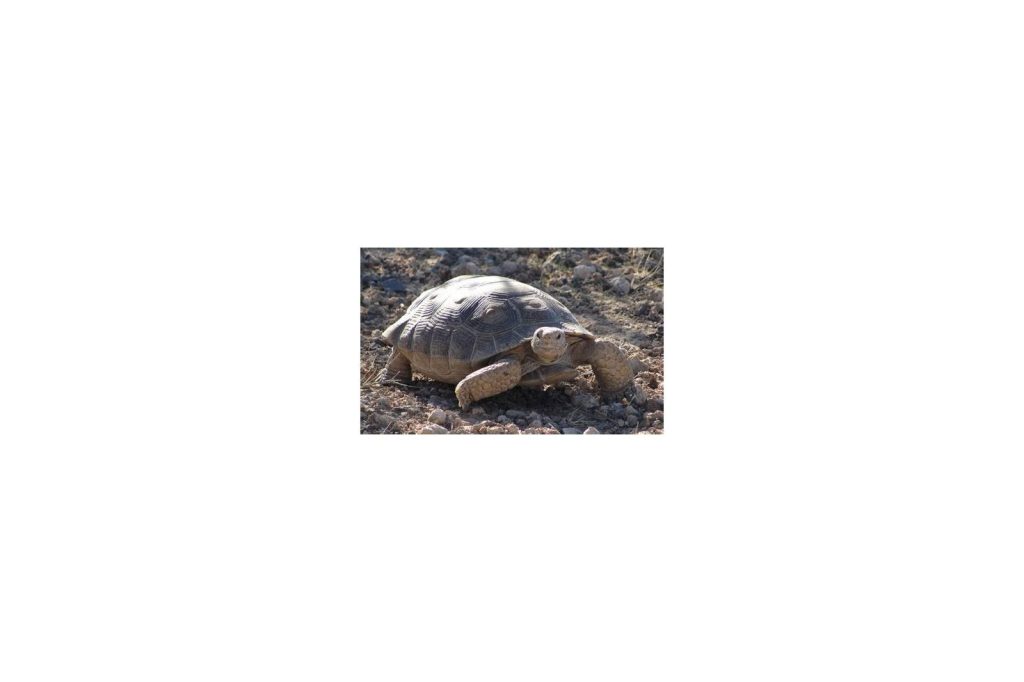
Dig a hole in the Mojave Desert and sooner or later something with scales will move in. That is the idea behind “The Tortoise that Saved the Rabbit,” a 27-minute special from PBS Nature’s Wild Critters USA series, made for children aged 3 to 11.
The episode is a joint project of PBS Nature, Orbit: Science for Kids on the Move! and the National Wildlife Federation’s Ranger Rick magazine, part of PBS Nature’s tribute to America’s 250th anniversary. The series frames itself as a summer road trip through American wildlife country. Deserts come first. The Mojave, in Arizona, is stop one.
Heat, and a hole in the ground
A young co-host named Milam asks the questions. Brianna Fogel, a fish and wildlife biologist with the U.S. Fish and Wildlife Service, supplies most of the answers.
The Mojave runs across parts of California, Nevada, Utah and Arizona. It gets only about two to six inches of rain a year, and summer temperatures often pass 100 degrees Fahrenheit, or 38 Celsius. Milam’s guess that nothing could live there is quickly corrected. Tortoises, Mojave rattlesnakes, quails, mountain lions and bighorn sheep all do.
Why not just leave for somewhere cooler? David Mizajewski, a science adviser for Ranger Rick, says the animals are built for the desert. Move a desert tortoise to a wetter, cooler place and it would not like it. “Deserts are actually their perfect habitat,” he says.
The tortoise itself
An adult desert tortoise weighs 8 to 15 pounds and measures 9 to 15 inches, about the length of a loaf of bread. It grows slowly, taking 13 to 20 years to reach full size.
The shell is not a separate piece of armor. It is part of the animal, formed from bone that grows out of the rib cage and spine, with some cartilage. Plates called scutes cover the top shell, the carapace, and are made of keratin, the same material as human hair and nails. The bottom shell is the plastron. A bridge joins the two at the sides.
Diet is simple. The Mojave desert tortoise eats only plants, and gets most of its water from spring grasses and wildflowers. On warm days that turn cloudy or rainy, it leaves its burrow to look for water, and sometimes digs small holes to catch the rain.
Who lives in the burrow
The episode spends the most time underground. Tortoises spend more than 95 percent of their time under cover, the program says. They dig with flattened front legs and long claws. Some burrows serve for a short stretch, others for years. Winter tunnels can reach 30 feet, or nine meters, nearly the length of a school bus, and a deep one can take days or weeks to finish.
Plenty of other animals move in. Gila monsters, rattlesnakes, sidewinders, roadrunners, burrowing owls and kangaroo rats all use tortoise burrows for shade and shelter. PBS’s description says a single burrow can shelter dozens of animals.
The episode also asks how long a tortoise can go without a drink of water. The answer comes at the end.
Sources
- The Tortoise that Saved the Rabbit | Wild Critters USA | Nature | PBS
- Nature | The Tortoise that Saved the Rabbit | Wild Critters USA
Sources
- The Tortoise that Saved the Rabbit | Wild Critters USA … – PBS
- Nature | The Tortoise that Saved the Rabbit | Wild Critters USA – PBS




