
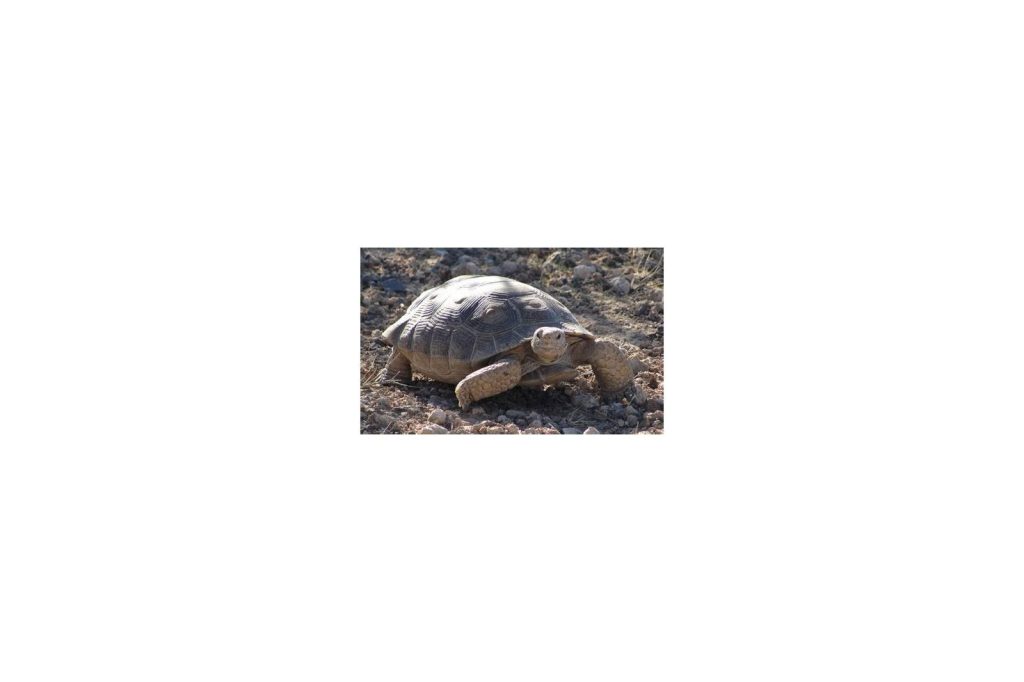
LOS ANGELES, June 24 — The figure that matters: one tortoise, one rabbit, and a story that’s drawing families to PBS this week. “The Tortoise that Saved the Rabbit,” a new episode of Wild Critters USA, puts the Mojave desert tortoise center stage. Here’s the bottom line: this is a family episode, and it’s airing now.
The show, produced by PBS’s Nature series, spotlights an animal that doesn’t usually get the headline slot. Investors in conservation and wildlife media will note the timing—summer programming aimed squarely at the family audience, when viewership for nature content tends to spike.
The episode’s title teases a narrative twist: a tortoise that saves a rabbit. But the real story, by the numbers available, is about the tortoise itself. The Mojave desert tortoise is the star.
It’s a creature built for survival in one of America’s harshest landscapes, and the show’s producers are betting that its slow-and-steady reputation will translate into compelling television. Wildlife programming has become a steady performer for public media. Wild Critters USA occupies a specific niche—family-oriented, educational, and focused on North American species.
This episode continues that formula. The promotional materials show a desert tortoise in its natural habitat, a still image that captures the animal’s rugged, ancient appearance. The Mojave desert tortoise is not a flashy animal.
It doesn’t hunt. It doesn’t migrate in dramatic herds. What it does is endure.
It digs burrows, conserves water, and lives for decades. That’s the hook for this episode: resilience, not speed.
The rabbit in the title may provide the action, but the tortoise provides the lesson. PBS announced this special on June 24, 2026, at 3:29 p.m. Eastern. The timing matters for families planning their summer schedules.
The episode is available for streaming and broadcast, part of the network’s ongoing commitment to natural history content. For viewers, the takeaway is straightforward: this is a chance to see a rarely spotlighted species up close.
The Mojave desert tortoise faces real pressures in its range—habitat loss, predation, and climate variability. The episode doesn’t shy away from those realities, but it frames them through a lens of discovery and wonder. What to watch next: PBS has not announced additional Wild Critters USA episodes for the remainder of the summer, but the network typically schedules nature programming in seasonal blocks.
If this episode performs well with family audiences, more desert-focused content could follow. For now, the tortoise has its moment. And in a media landscape crowded with fast-paced content, that’s a refreshing change of pace.




