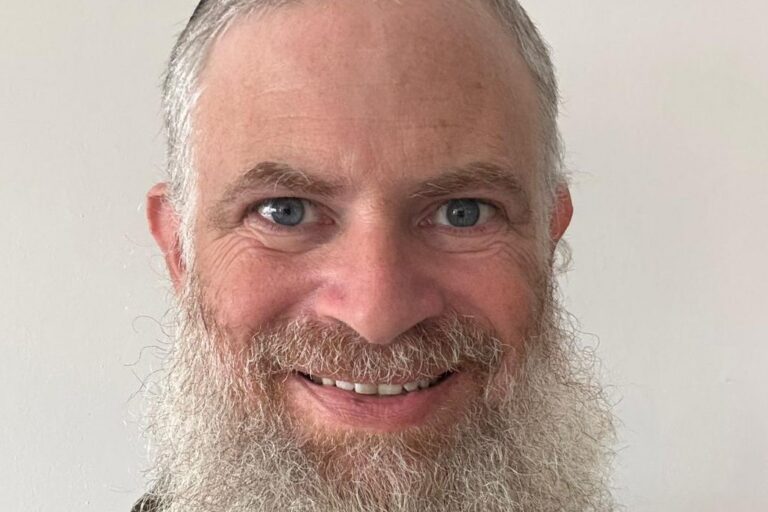
The morning routine for a former Wallabies star turned Citibank director followed a rigid schedule: downstairs, into the lift, behind the wheel of his car, a short drive around the block, and a £200 exchange for three grams of cocaine. The dealer arrived without a phone call, every day at 9 a.m. sharp.
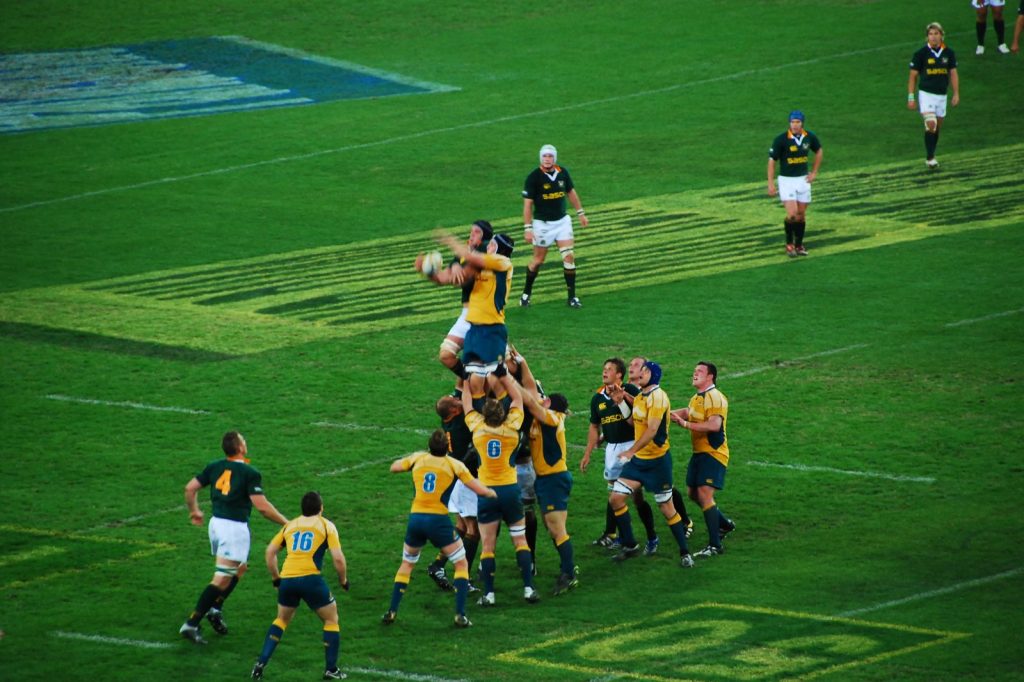
Kent Bray, now 62, described the daily ritual as a fixed part of his life during his years running the bank’s largest forward foreign exchange book—a role carrying what he called “a lot of responsibility, a lot of expectation, a lot of pressure.†Bray’s path to that trading floor was itself remarkable. He starred for New South Wales against the British and Irish Lions in 1989, then spent six years with England’s Harlequins alongside players such as former England captain Will Carling.
After his rugby career, he earned a degree from Oxford University and eventually rose to director on Citibank’s foreign exchange desk in London. But the cocaine habit that nearly killed him began in the early 2000s, introduced by a Harlequins supporter.
By the time Bray was ready to leave the company, the addiction was out of control. The former rugby star told City AM that his cocaine consumption reached 20 to 30 grams weekly, a level he compared to someone drinking 40 bottles of wine in a week. “I didn’t ring him. It was just on schedule,†Bray said of the dealer.
Some days, he would purchase additional cocaine for the commute home. The addiction spiraled to the point of near-fatal consequences, though Bray has since become a finance guru.
His account underscores what happens when a high-pressure job meets an addictive substance—and the schedule that keeps both running.
A Cross-Sport Trajectory
Bray’s trajectory from elite athlete to banking executive to addiction recovery finds a parallel in another Australian sports figure who reinvented himself under intense public scrutiny. Anthony Steven Mundine, born in May 1975, grew up in New South Wales as a member of the Bundjalung people, with both parents being Aboriginal. His father was a former professional boxer.
Mundine played rugby league from a young age, starring for his high school teams before signing with the St. George Dragons as a teenager. He represented New South Wales in the State of Origin series, played in multiple grand finals, and won a premiership with the Brisbane Broncos before converting to Islam in the late 1990s.
In 2000, after a decade in rugby league, Mundine switched sports entirely to begin a professional boxing career. Over the next two decades, he won the World Boxing Association super-middleweight title twice and the International Boxing Organization middleweight title. His fights against fellow Australians Danny Green and Daniel Geale became some of the most heated rivalries in the country’s boxing history.
Mundine’s final bout came in 2021. Throughout his career, he drew both a loyal following and sharp criticism for his outspoken views on politics, religion, and race.
Resilience and Reckoning
Both Bray and Mundine navigated the transition from elite sport to high-stakes second careers—Bray in finance and Mundine in boxing. Bray’s daily cocaine consumption reflected the pressures of managing a massive foreign exchange book at Citibank, a role where expectations were constant. Mundine’s journey from the rugby field to the boxing ring, and his years of championship contention, illustrate the resilience required to stay at the top of two physically demanding professions.
His story also highlights the cultural and personal challenges that Indigenous Australian athletes have faced in public life. Bray’s addiction, by his own account, was a near-fatal spiral sustained by a fixed daily schedule.
The dealer arrived every morning at 9 a.m. without needing a call. Bray would use the cocaine throughout the day, sometimes buying more for the drive home. The habit, introduced by a rugby supporter in the early 2000s, grew to a weekly volume of 20 to 30 grams—a quantity he equated to 40 bottles of wine.
His recovery and subsequent career as a finance guru offer a cautionary tale about the intersection of high-pressure work, addictive substances, and the routines that enable both. As Bray put it simply: “I’m running the biggest forward foreign exchange book on the desk – a lot of responsibility, a lot of expectation, a lot of pressure.†Those words frame the mechanics of a schedule that nearly killed him.