
ANGELES CITY, September 2 — The story begins with a knock at the door. On October 18, 2016, South Korean businessman Jee Ick-joo, 53, opened his home here in Angeles City, Pampanga, to men who turned out to be Philippine anti-drug police officers staging a fake drug raid. What unfolded was something far more sinister: a kidnapping and murder staged by the very officers sworn to protect the public, a scheme that became known as “tokhang-for-ransom” and sent shockwaves through two nations.
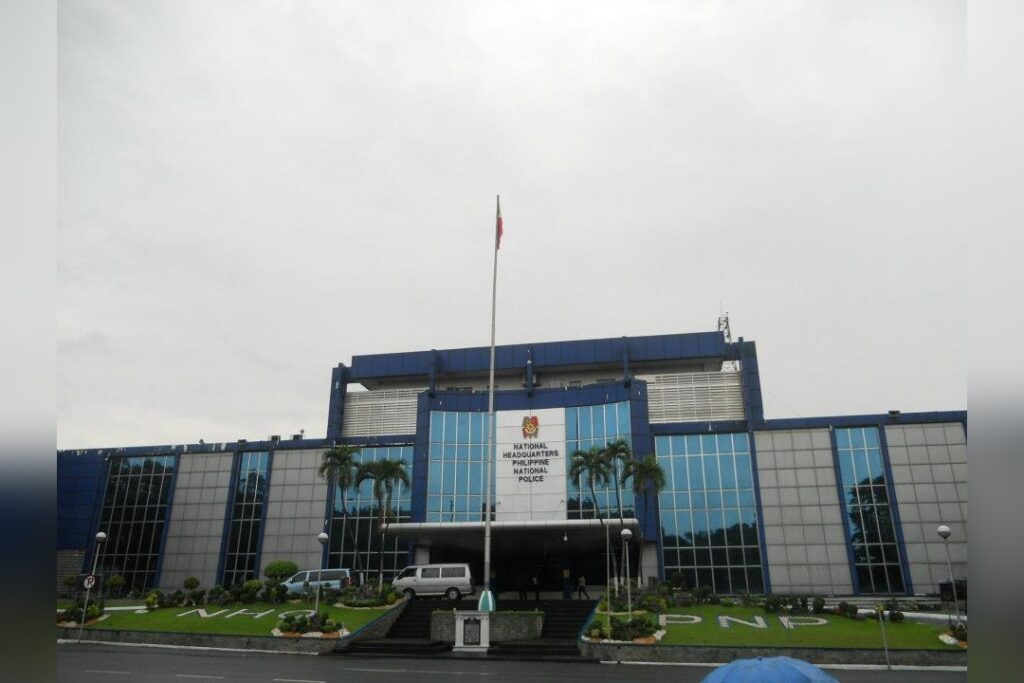
The men who seized Jee were Philippine anti-drug police officers. They drove him to Camp Crame in Quezon City, the national headquarters of the Philippine National Police itself.
On that same day, inside a car parked within the camp’s grounds, they strangled him to death. At its heart, this was a story of betrayal layered upon betrayal. Jee’s killers then demanded 8 million pesos in ransom from his wife, concealing the devastating truth that he was already dead.
The ransom demand added a calculated cruelty to the violence — a final exploitation of a family already destroyed. His body was cremated at a funeral home.
The ashes were flushed down a toilet.
Exposure and diplomatic fallout
The case was exposed in January 2017. For those involved in Philippines-South Korea relations, the revelation triggered a diplomatic crisis. South Korea confronted the reality that one of its citizens had been murdered not by criminals operating in the shadows, but by police officers operating from inside their own headquarters.
The pressure forced then-President Rodrigo Duterte to suspend police anti-drug operations temporarily — a significant concession from a leader who had made the drug war the centerpiece of his administration.
Justice delayed and delivered
Years passed before accountability came. In June 2023, an Angeles City court sentenced police officer Ricky Sta. Isabel and former NBI aide Jerry Omlang to life imprisonment for kidnapping with homicide.
The alleged mastermind, a former police colonel, initially escaped conviction, went missing, and was arrested only after roughly two years on the run. South Korean media have reported dozens of Koreans murdered in the Philippines since 2012.
Among these cases, the Jee killing remains the most notorious precisely because the killers were the police themselves.
What to watch
The case stands as a benchmark for how police corruption undermines not just domestic security but international trust. With the Philippines continuing to attract South Korean investment and residents, the question of whether institutional safeguards have meaningfully changed remains open. The life sentences for Sta.
Isabel and Omlang delivered a measure of accountability, but the two-year manhunt for the alleged mastermind underscored how elusive full justice can prove when power itself is the weapon.




