
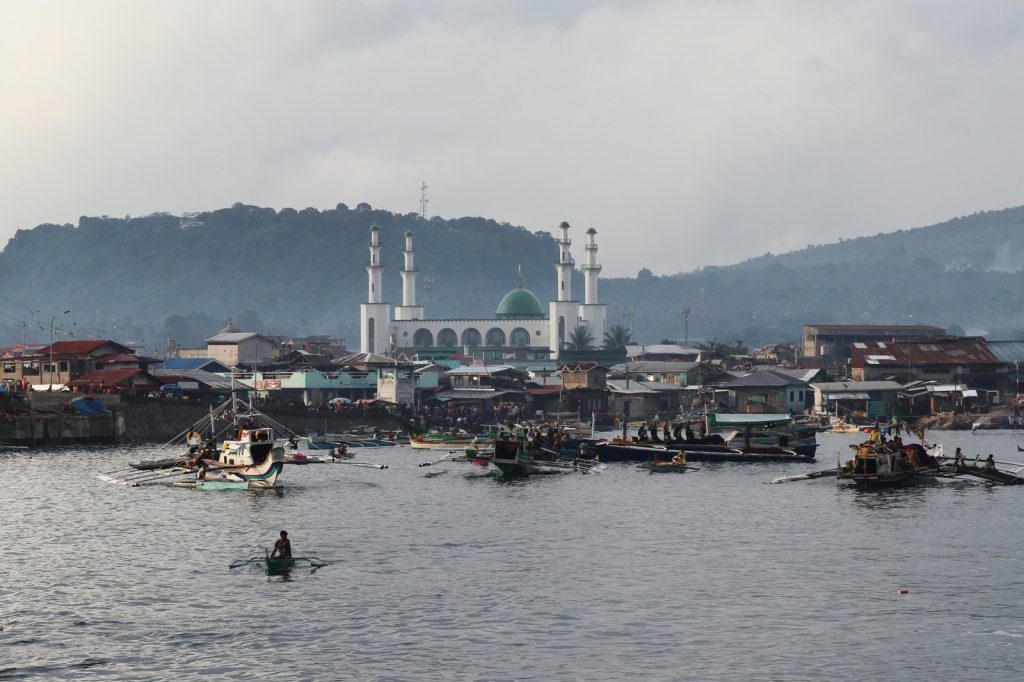
JOLO, September 2 — The severed head left in this port city on the island of Sulu marked a grim turning point in one of the most notorious crimes against foreigners in the Philippines in the past decade. John Ridsdel, a retired Canadian mining executive and former journalist, was beheaded by the Abu Sayyaf militant group on April 25, 2016, after a ransom deadline lapsed. The killing marked the beginning of a brutal sequence that would claim another Canadian life within weeks.
Ridsdel had been abducted on September 21, 2015, from a marina resort on Samal Island in the southern Philippines. The militants took four hostages in total: Ridsdel, fellow Canadian Robert Hall, Norwegian resort manager Kjartan Sekkingstad, and Filipina Marites Flor.
The kidnappers transported their captives to the island of Sulu, where the militants demanded ransoms. The ransom demands were staggering. At one point, Abu Sayyaf demanded approximately 300 million pesos (about US$6.5 million) per foreign hostage.
The group has built its operations on exactly this model—kidnapping for profit, with foreigners commanding premium prices. Then-Canadian Prime Minister Justin Trudeau confirmed Ridsdel’s death.
He condemned it as an act of cold-blooded murder and reaffirmed Canada’s policy of refusing to pay ransoms to terrorists. That policy places a stark wager: that refusing payment will eventually starve groups like Abu Sayyaf of operating capital, even at the cost of individual lives. The wager failed Ridsdel.
It failed Robert Hall too—beheaded weeks later when another deadline passed. The two Canadians died while their fellow hostages lived. Kjartan Sekkingstad and Marites Flor were eventually released, though the source material does not specify when or under what terms.
The Company Man
Ridsdel was not a random target of opportunity. He had worked for TVI Pacific, a Calgary-based mining company with operations in the Philippines. The extraction industry has long drawn foreign workers to Mindanao’s resource-rich but security-poor hinterlands, where corporate presence overlaps uneasily with insurgent territory.
Ridsdel’s background—mining executive and former journalist—made him a particularly resonant victim.
Aftermath and Accountability
Years passed before any measure of accountability emerged. In 2022, two Abu Sayyaf members accused of carrying out the beheadings surrendered to authorities. The source material does not name them or detail the circumstances of their surrender, but the development offered a rare procedural footnote to a crime that had long since faded from international headlines.
The kidnappings devastated tourism confidence in Mindanao at the time of the abductions. Resorts emptied.
Government security pledges rang hollow against the reality of militant mobility across the Sulu archipelago. The damage to the region’s reputation proved durable; even now, the Samal Island marina where four people were taken remains a symbol of the gap between Philippine tourism promotion and ground-level security. What to watch: Whether the two surrendered militants face prosecution, and whether any Canadian or Philippine judicial process yields further details of the ransom negotiations that preceded the killings.
The broader question—whether Canada’s no-ransom policy will evolve after the successive deaths of two citizens—remains unresolved. For now, the policy stands, and the graves in Sulu stand witness to its cost.




