
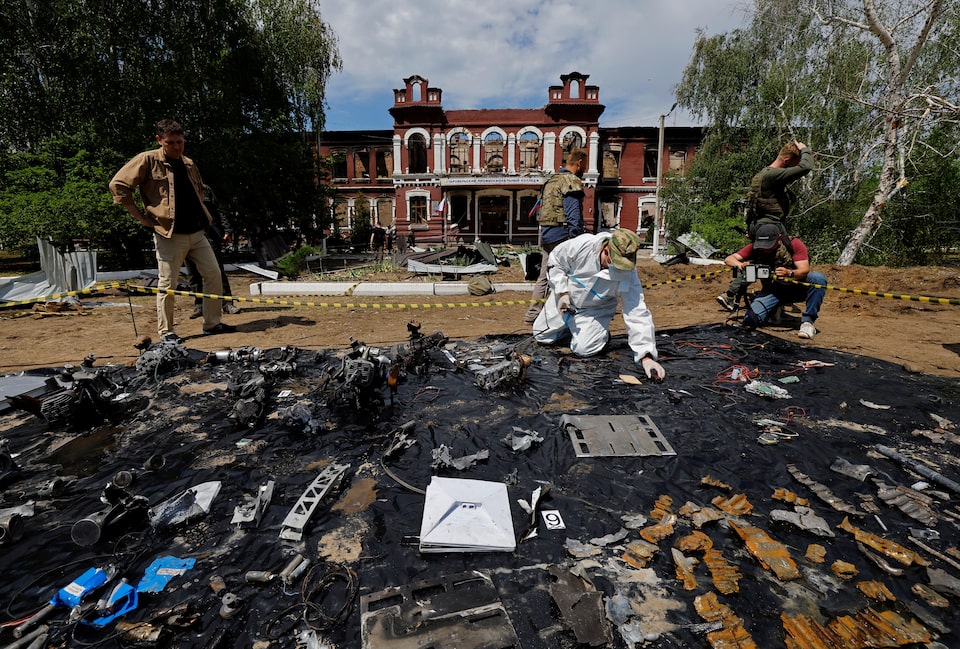
MOSCOW, August 2 — A bombing incident near a Moscow restaurant has triggered a meticulous, multi-faceted investigation by Russian authorities, adhering to established forensic and law enforcement protocols. The immediate priority on the ground involves securing the scene to prevent further harm and preserve critical evidence. The Investigative Committee of Russia has taken charge of the crime scene, often operating with support from experts within the Federal Security Service (FSB) and the Ministry of Internal Affairs (MVD).
This coordinated effort underscores the institutional framework engaged in such high-stakes inquiries. The mechanics here are precise.
Forensic teams, including specialized bomb disposal units and explosives experts, are deployed with the primary goal of identifying the type of explosive utilized, the specific detonation mechanism, and any residue that could link back to the device’s origin or its perpetrator. This involves a detailed collection process, gathering fragments, soil samples from the blast site, and any biological evidence present.
Forensic Techniques and Digital Traces
On closer reading, the technical depth is significant. Advanced forensic techniques are standard practice. Gas chromatography-mass spectrometry (GC-MS) is employed for the chemical analysis of residues, aiming to pinpoint the exact composition of the explosive.
Concurrently, DNA profiling is conducted on any human remains or contact traces found, which can provide crucial identification leads. Beyond the physical evidence, investigators also focus on collecting digital footprints.
This includes extensive review of CCTV footage from the surrounding area, analysis of mobile phone data, and scrutiny of social media activity. Such digital intelligence can provide critical leads regarding the perpetrator’s movements and potential affiliations, painting a broader picture of the pre- and post-incident landscape. Systematically conducted witness interviews further contribute to this reconstruction, complemented by a comprehensive mapping of the blast radius and damage assessment to accurately reconstruct the event.
Challenges and Strategic Objectives
The catch is that such investigations are inherently fraught with difficulty. The destructive nature of explosions can obliterate substantial evidence, complicating the forensic process. There is also the persistent threat of secondary devices, which adds another layer of complexity and danger for responders.
Ultimately, the paramount goals for the authorities are the rapid identification of the perpetrator, a clear understanding of their motive, and the determination of any organizational links. Achieving these objectives often demands extensive intelligence gathering and robust cross-agency cooperation.
This collaborative effort is essential to piece together the full narrative of the attack and, crucially, to prevent future incidents. The ongoing investigation will undoubtedly continue to leverage these multi-faceted approaches, as authorities work to uncover the full scope of the incident and its implications.




