
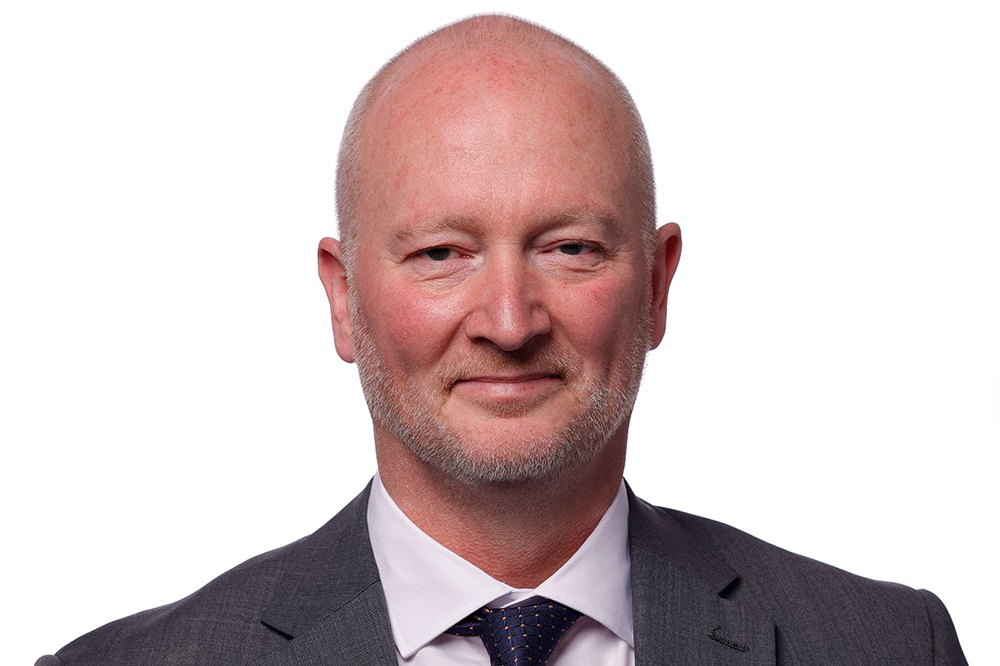
When Paul Marr walks into the Senedd chamber, he brings something most members lack: the muscle memory of a man who has talked people down from killing themselves and others. That background, developed over 20 years in the prison service, is now in the service of Reform Wales. The question is what it means for the institution.
Marr was medically discharged in 2013 after a multiple sclerosis diagnosis. He did not stop.
He moved into the NHS, managing drug treatment services inside police custody suites. That work put him in daily contact with addicts and offenders at the point of arrest. He saw the system from the lockup floor, not from a policy paper.
That perspective is rare in Cardiff Bay. The Reform group in the Senedd is small.
Marr is one of its members. But his arrival signals something about the kind of person now willing to stand for election. A former hostage negotiator.
A man trained to de-escalate riots. A prison officer who worked on a mother and baby unit. These are not typical political résumé items.
Marr comes from Bristol. His siblings went into the RAF and the police.
“Uniform was kind of in our blood,” he has said. That family pattern — service, discipline, hierarchy — is a long way from the career politician mould. It may also be a clue to how he will operate.
Negotiators do not grandstand. They listen, they wait, they find the crack in the deadlock.
The effects of his election will be felt in committee rooms and constituency surgeries. Someone who has managed category A prisoners and youth offenders knows how to handle a hostile room. Someone who spent a year on a mother and baby unit understands vulnerability and institutional failure.
Those are not abstract concepts in a legislature that writes laws on health, justice and social care. His experience with addiction services in police custody is directly relevant. The Senedd has limited powers over the criminal justice system, but it controls health policy, housing, and substance misuse programmes.
Marr has seen the revolving door of custody and treatment from both sides. He knows what works and what does not.
That knowledge is a commodity in short supply among elected officials. The Reform party has positioned itself as an outsider force. Marr fits that label.
But he is not an outsider to public service. He spent two decades inside the prison estate.
That is a long time to watch the state fail people and try to patch the damage. He then spent years inside the NHS, watching the same cycle from a different angle. What happens next depends on how the Senedd absorbs a member with that background.
Institutions resist change. But Marr has been trained to handle resistance. He has been in rooms where one wrong word means someone dies.
That changes a person. It changes how they operate under pressure.
The Reform group will test him. The other parties will test him. The media will test him.
He has been tested before — by riot situations, by hostage crises, by a multiple sclerosis diagnosis that ended one career and started another. He is still standing.
Welsh politics has seen defections, scandals and resignations. It has not seen a former hostage negotiator sit in the chamber and apply those skills to the budget or the health bill. That is the story now.
Not just that he arrived, but what his arrival means for how the Senedd works — and for how it might change.




