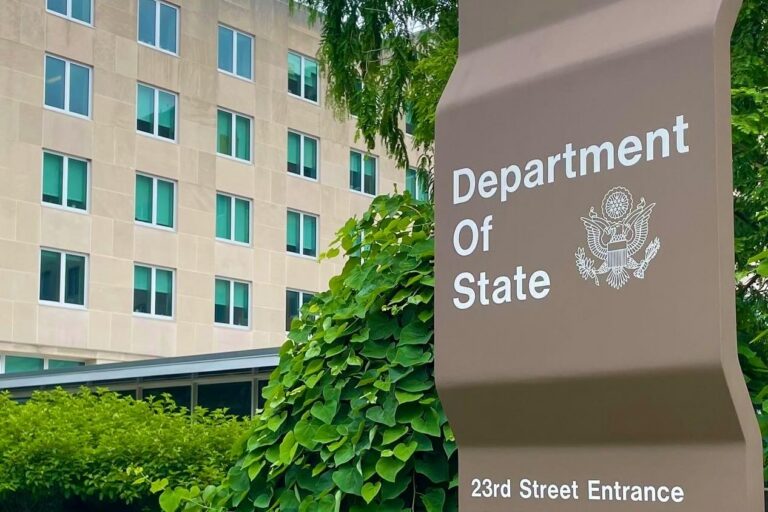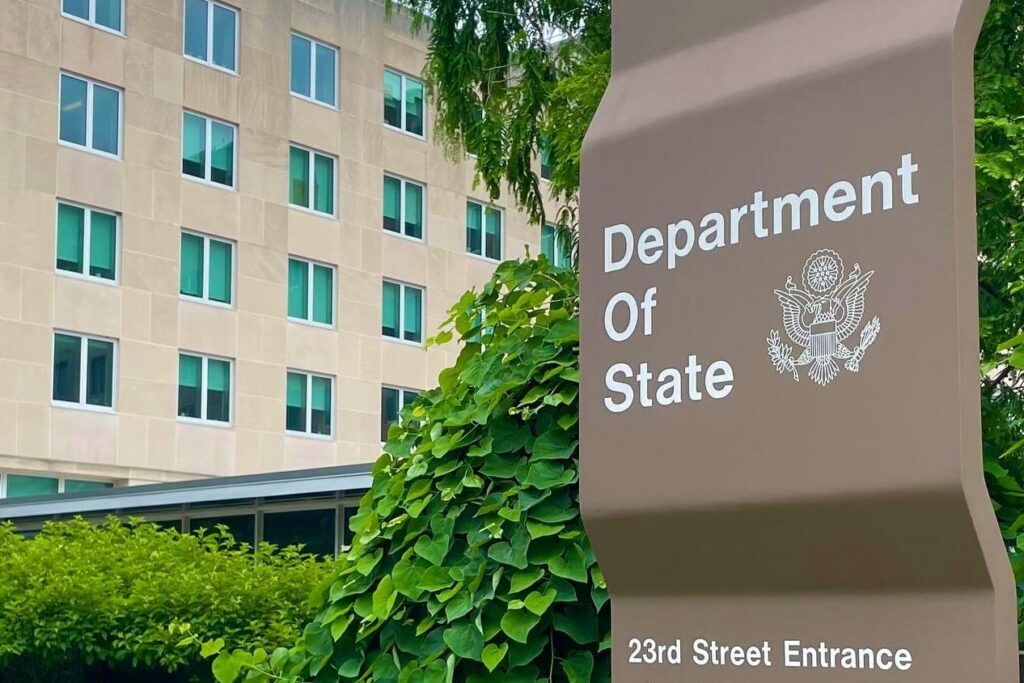
The U.S. State Department has escalated its travel warning for an East African nation popular for its wildlife safaris, urging Americans to reconsider visiting amid heightened health concerns and ongoing security threats.
Travel Warning Escalation
The State Department on Monday raised its travel advisory for Kenya from Level 2, “Exercise Increased Caution,” to Level 3, “Reconsider Travel.” Health risks and crime were cited among the reasons for the advisory, along with civil unrest, kidnapping, terrorism and traffic safety concerns. “Prepare a will,” the advisory added. “Establish a proof of life protocol with your loved ones.” Americans are urged to avoid certain neighborhoods in Nairobi and several counties across the country due to risks of crime, kidnapping and terrorism — as well as areas near the Ethiopian border due to unrest. In its broader warning about the country, State Department officials said that violent crime “can occur at any time,” noting that petty crime “is common” throughout Kenya. The advisory also noted that solo travelers should exercise caution, and that some Americans have been sexually assaulted in bars, resorts and hotels. “Local police often are unable to respond effectively to crimes,” the advisory said. The State Department also warned that Americans frequently fall victim to investment scams involving gold and other high-value commodities, with Kenyan authorities unlikely to help victims recover their losses. “Property disputes are common in Kenya,” added the warning. “Americans who have bought land, churches and businesses have lost their investments or been pushed off the property by locals who claim the land or business.” Medical services in Kenya are limited, particularly in rural areas, with some facilities lacking essential medicines and equipment. “Except for a few private medical facilities based in the large urban centers with enhanced capability, many health issues may require medical evacuation at your own expense,” officials said. “Medical facilities will usually deny service if payment is not made upfront.” The advisory also warned that protests can turn violent — with demonstrators previously attacking vehicles carrying Americans, including safari vehicles and motorcycle taxis. Americans are urged to stay alert in tourist spots, keep a low profile and avoid demonstrations and crowds while visiting the country. Kenya is known around the world for its wildlife safaris, picturesque savannas and national parks, which all draw millions of international tourists each year. The country attracted approximately 2.7 million international visitors in 2025, with travelers from the Americas accounting for 14% of arrivals, according to government tourism figures. Similar warnings have been issued for other popular international travel destinations. Last month, the State Department updated its travel advisory for Peru, warning Americans about crime, civil unrest, kidnapping and terrorism. Meanwhile, travelers visiting Brazil have been cautioned about crime and civil unrest.
How Travel Warnings Deter American Visitors
Travel warnings function as official risk assessments issued by foreign ministries to inform citizens of conditions in other countries. When the United States raises its advisory level, the effect on destination economies is often immediate and measurable. Airlines may adjust flight schedules, travel insurance premiums rise, and cruise lines reroute itineraries to avoid listed risk zones. For many American tourists, a Level 3 advisory serves as a decisive factor, prompting them to postpone or cancel trips altogether. Historical patterns show that similar advisories issued for Caribbean and Latin American destinations have produced sharp drops in visitor numbers within weeks of publication. The mechanism relies on the perception of danger outweighing the appeal of the destination, particularly for leisure travelers who have flexibility in their plans and can choose alternative locales without formal restrictions.
Economic Numbers and Projections
The Bahamas relies heavily on American tourism, which accounts for the majority of its visitor arrivals and generates the largest share of hotel revenue and airport traffic. In 2025, the country welcomed approximately 2.7 million international visitors, with travelers from the Americas representing 14% of total arrivals. The United States is the Bahamas’ primary source market, and any reduction in American arrivals directly impacts hotel occupancy rates, restaurant sales, and transportation services. Analysts project that a Level 3 advisory could reduce American visitor numbers by up to 30% in the short term, which would translate to a significant decline in overall tourism receipts. The resulting loss in spending would affect not only large resort operators but also small family-run guesthouses, tour guides, and local vendors who depend on daily tourist foot traffic.
Current Impact on Businesses and Government
Local businesses across the Bahamas have already reported a slowdown in bookings following the issuance of the new advisory. Restaurants in popular tourist hubs have noted fewer reservations from American parties, and some tour operators have canceled scheduled excursions. Employment in the hospitality sector is seasonal by nature, and a sustained drop in American arrivals threatens the livelihoods of workers who rely on peak-season wages to sustain them through the year. Government revenue from airport taxes, hotel levies, and departure fees also feels the impact quickly, as these are calculated per passenger. With the United States being the largest source of tourist spending, a prolonged warning could force the government to reconsider budget projections and delay infrastructure projects that depend on tourism-driven income. The advisory’s specific warnings about crime, sexual assault, and inadequate medical services are likely to discourage the type of traveler who books premium accommodations and spends heavily on activities, which represents a disproportionate share of total tourism revenue.
Future Outlook and Recovery
Recovery will depend on how quickly the U.S. State Department can reassess the situation and whether the Bahamian government implements visible security improvements that address the specific concerns raised in the advisory. Diplomatic engagement between Washington and Nassau will be crucial in restoring confidence among American travelers. In the meantime, the Bahamas may seek to diversify its source market by promoting the destination to visitors from Europe and Asia, though shifting travel patterns takes time and significant marketing investment. If the advisory is lifted or downgraded within the next few months, the industry expects a rebound in arrivals, particularly if airlines resume direct routes and hotels offer promotional packages to attract risk-aware travelers. Until then, the sector faces a period of adjustment, with businesses tightening operations and government revenues adjusting to a new reality of lower American traffic.
Sources
- Vacation spot slapped with US travel warning over crime, sexual assaults and kidnappings – AOL
- British mother dies while trying to save her sons from strong current in the Bahamas
- Thousands booked tropical Bahamas cruise and ended up in freezing Canada instead
Photo: Raydann (CC BY-SA 4.0)