
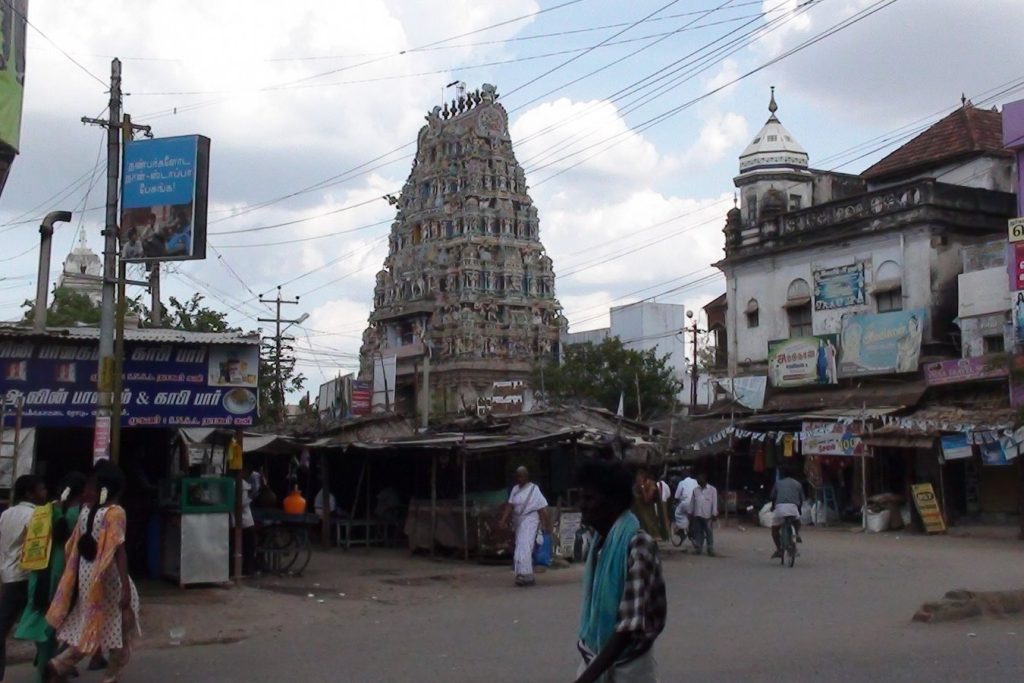
A devastating explosion at a fireworks factory in Virudhunagar, Tamil Nadu, on April 19, 2026, has left at least 25 people dead and 13 others injured. The incident has drawn renewed scrutiny to safety practices within India’s fireworks manufacturing sector. Virudhunagar is located 506 kilometers southwest of Chennai.
The city sits at an average elevation of 102 meters above sea level and receives approximately 780 mm of rainfall annually. Its humid climate presents particular challenges for facilities handling explosive materials.
Historically a trading hub dating back to British colonial rule, as well as the eras of the Later Pandyas and the Vijayanagar Empire, the city has long been associated with commerce rather than industrial regulation. The factory involved in the blast was likely a small to medium-sized enterprise, which is typical for India’s fireworks industry. This sector is extensive and fragmented, employing thousands of workers who supply products for festivals and weddings nationwide. However, the industry often operates on narrow profit margins.
Investments in safety equipment and worker training are frequently deprioritized due to cost constraints. The explosion resulted from accumulated risks, sending shockwaves through the surrounding community.
Authorities have launched an investigation into the incident. The probe is expected to examine the handling of hazardous materials, existing safety protocols, and the chain of responsibility leading up to the blast. India has experienced industrial disasters in the past, followed by cycles of official inquiries, reports, and regulatory revisions that often fail to produce lasting change.
The Virudhunagar incident has prompted calls for a broader examination of why a sector reliant on dangerous chemicals operates with limited oversight. Questions have also been raised about the licensing of small factories that may lack the resources to meet basic safety standards.
The fireworks manufacturing industry is a significant source of employment in regions such as Virudhunagar. Shutting down factories would eliminate livelihoods, while maintaining current conditions poses ongoing risks. This tension between economic necessity and worker safety is not confined to India but represents a global challenge that requires localized solutions.
Geographical factors, including the city’s proximity to the Kowsika River, its elevation, and its annual rainfall, impose constraints on industrial operations. A fireworks facility in a humid environment presents inherent fire risks.
The April 19 explosion actualized that risk. As the injured receive medical treatment and the community mourns the deceased, the underlying conditions that enabled this disaster—including cost-cutting pressures, weak enforcement, and economic incentives—remain unaddressed. Without systemic changes, observers warn that similar incidents are likely to recur.




