
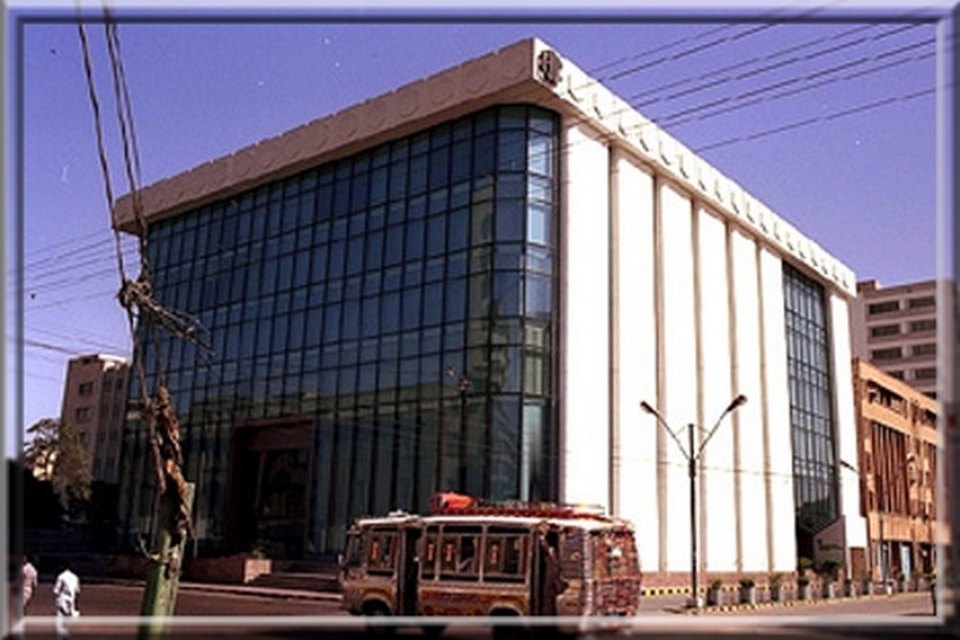
On July 5, 1991, regulators in country after country seized the Bank of Credit and Commerce International. At its peak the bank had 417 offices in 73 countries. When it fell, its liabilities were estimated at close to $20bn.
The seizure was the end of a story that had begun, for American investigators, years earlier and by accident.
A sting that found more than it sought
In 1986, a Customs agent named Robert Mazur proposed an undercover operation against money laundering. It was called Operation C-Chase. Mazur posed as a businessman running investment and mortgage firms that served as a front for laundering drug money, and an informant introduced him to a Colombian drug ring based in Medellin. He opened a BCCI account because it was the only bank he knew with branches around the world, and he later testified he had no particular information that BCCI was involved in laundering. One launderer caught up in the sting had US receipts of roughly $200 million per month in cash that needed to leave the country.
In October 1988 the bank itself was indicted, accused of a corporate policy of soliciting drug money. Then the case narrowed. In January 1990 the Justice Department agreed to let BCCI plead guilty to a limited set of offences and avoid trial. A Senate foreign relations subcommittee led by John Kerry later concluded that the deal kept the bank alive. Soon afterwards, it found, the department stopped investigating BCCI altogether.
The warnings were there
A September 1991 House report said federal authorities had “scores of contacts concerning BCCI as far back as 1983” and had enough information by the mid-1980s to put the bank on the most wanted list. Britain had refused the bank full banking status.
Only after the seizure did Washington move with urgency. Under Assistant Attorney General Mueller, nearly three dozen attorneys were put on the case, and several indictments came in 1992.
What the collapse uncovered
The failure exposed corruption, money laundering and other secretive activities. The CIA, Manuel Noriega and mujahideen guerrillas were all linked to the bank. Kerry’s report listed fraud involving billions of dollars, bribery of officials, support of terrorism and arms trafficking among its crimes. More than 60 prosecutions followed. In Britain, Abbas Gokal, a businessman with close ties to the bank, received a record 14-year jail sentence.
The clean-up took 21 years. The Guardian reported on May 17, 2012, that the files were closed at a final meeting in Westminster’s Central Hall, before about 150 creditors, many of them elderly people from Asian backgrounds, drawn from communities the bank had deliberately courted in the 1980s. Fees of $656m had been paid to two firms of lawyers and accountants. Deloitte had gathered 95,000 box files holding about 100m documents. Creditors recovered 90p in the pound, though the liquidator Angus Martin conceded that once inflation was counted the figure was closer to 50 per cent.
Sources
- Files close on BCCI banking scandal
- The BCCI Affair – 8 BCCI and Law Enforcement: The Justice Department and the US Customs Service
Sources
- Bank of Credit and Commerce International – Wikipedia
- Files close on BCCI banking scandal | BCCI | The Guardian




