
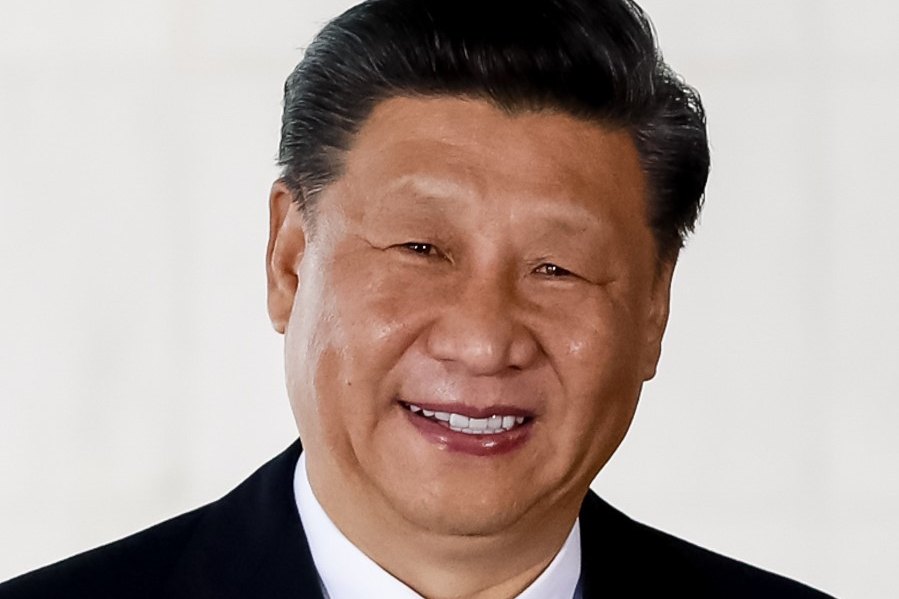
The plane rolls to a stop at Joint Base Andrews on Wednesday evening, and instead of waiting at the White House, Donald and Melania Trump walk out to the tarmac. A red carpet about 30 metres long runs between lines of service members. Two B-1 bombers fly over. Both national anthems play.
That was how Washington received Xi Jinping and his wife, Peng Liyuan, at the start of the Chinese leader’s state visit. American presidents usually greet foreign leaders at home. This one drove to Maryland to shake hands. “He’s coming on our soil,” Melania Trump told Fox & Friends that morning, “and we need to welcome them with the most respect.”
One moment did not go to script. As the anthem played, the flyover roared in and Trump visibly winced. Xi did not move. Neither did their wives. The scene was caught on a White House livestream, widely mocked online, and left out of the edited highlights the president’s aides released later.
The truce gets two more months
The substance arrived in a quieter way. Treasury Secretary Scott Bessent, who had met Chinese Vice-Premier He Lifeng earlier that day, told Fox News that the two countries had agreed to extend the so-called Busan agreement, the temporary truce in the trade war between the world’s two biggest economies. It was due to run out on November 10. It now runs to January 10.
A commentary in the Cyprus Mail called the result a case of kicking the can down the road. Markets got the relief, it argued, because tariff escalation is postponed until at least after the American midterm elections. Bessent described the two months as a “compliance period” to test whether Beijing honours its earlier farm purchase commitments. The extension also keeps a disputed rise in Section 301 shipping fees suspended through the peak holiday shipping season.
The same commentary said the summit produced mutual tariff reductions on goods worth $30 billion, limited to non-security sectors, and set up a Trade Council and an Investment Council as standing channels for settling everyday friction. China, it said, left American soybeans off its list.
A state dinner for the tech chiefs
Business was watching closely. The White House invited executives from OpenAI, Apple, xAI, Microsoft, Nvidia and Meta, among others, to Thursday’s state dinner for Xi. Apple’s Tim Cook, Nvidia’s Jensen Huang and Tesla’s Elon Musk were among those present, which the Cyprus Mail read as corporate lobbying to protect American operations inside mainland China.
Artificial intelligence hung over the whole visit. Trump has waved off warnings about the technology. “WHOEVER WINS AI, WINS!” he wrote on Truth Social the week before. Both presidents did say publicly that AI systems should stay under human control, but analysts quoted in that commentary saw the talks planned for late November as a crisis-management channel, not a step toward real cooperation.
What stayed stuck
Rare earths, chip export controls and Taiwan all went nowhere, the commentary said. Richard Gowan of the International Crisis Group put the oddity of the week another way. Xi would not make the short trip to New York for the UN General Assembly, yet came to Washington. “I think a lot of people will say: ‘Where is the real center of decision-making?’”
The fragility showed almost at once. At a campaign rally after the summit, Trump revived a threat of tariffs of up to 300 per cent on countries that do not move their production to American soil.
Sources
- Trump greets Xi Jinping on arrival in rare move as US-China trade truce extended | US foreign policy | The Guardian
- Trump-Xi meeting just kicked can down the road | Cyprus Mail




