
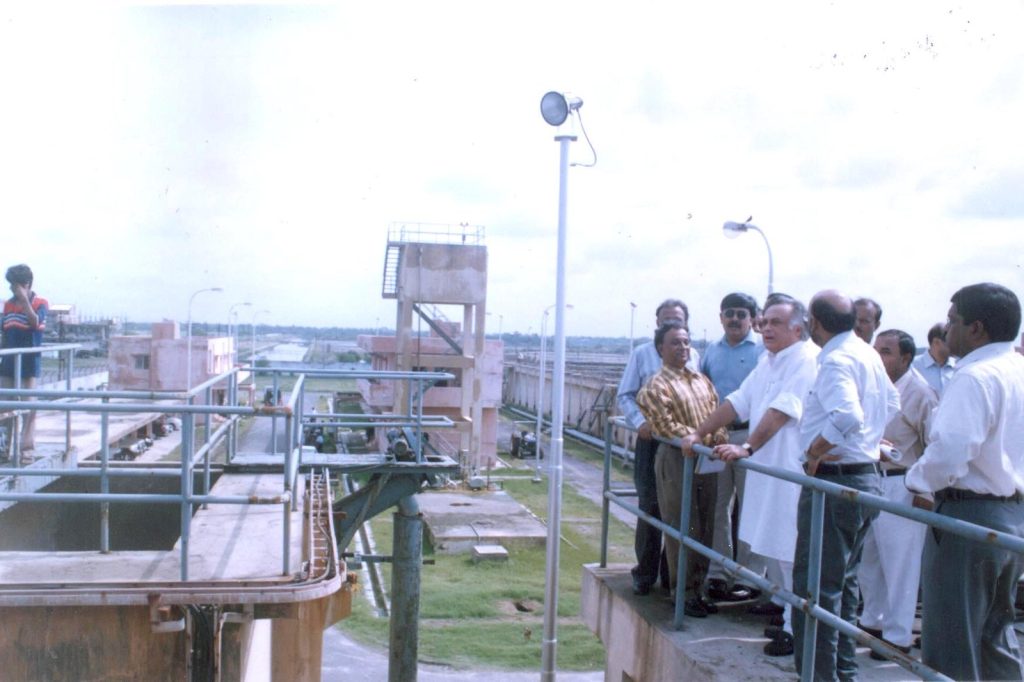
A tragic incident occurred on February 2, 2025, at the Kolkata Leather Complex in Bantala, India, resulting in the loss of three lives. The victims were killed while attempting to clean a clogged drain, highlighting the risks and challenges faced by workers in industrial complexes. The Kolkata Leather Complex, located approximately 20 km from the central business district of Kolkata, is a significant industrial hub with around 500 individual units operating within its 4.5 square kilometers.
The complex was established following a Supreme Court directive to relocate polluting tanneries from other areas, and it now handles a substantial portion of India’s tanning output, estimated to be around 22 to 25 percent. To manage the environmental impact of these operations, the complex features a range of dedicated infrastructure, including a Common Effluent Treatment Plant, pumping stations, and utilities for consolidated waste management.
These facilities are designed to ensure compliance with environmental regulations and minimize the complex’s ecological footprint. Despite the presence of these infrastructure facilities, the incident on February 2, 2025, underscores the need for continued vigilance and improvement in workplace safety and environmental management. The Kolkata Leather Complex is a significant economic hub, providing employment opportunities and contributing to India’s industrial output.
However, the importance of economic growth must be balanced against the need to protect the environment and ensure the safety and well-being of workers. A clean and healthy environment is essential for the long-term sustainability of industrial activities and the well-being of local communities.
The use of dedicated infrastructure, such as the Common Effluent Treatment Plant, demonstrates a commitment to environmental compliance and responsible industrial practices. These facilities help to reduce the complex’s environmental impact by treating effluent and managing waste in a consolidated and controlled manner. By investing in such infrastructure, the Kolkata Leather Complex can minimize its ecological footprint and contribute to a cleaner and healthier environment.
This approach can also help to reduce costs and improve energy security through the use of renewable energy sources and efficient waste management practices. Looking to the future, the Kolkata Leather Complex has the potential to serve as a model for responsible and sustainable industrial practices. By prioritizing environmental management and workplace safety, the complex can minimize its environmental impact while maintaining its economic viability.
This approach can help to ensure a clean and healthy environment for local communities and contribute to the long-term sustainability of industrial activities in the region. As the complex continues to evolve and grow, it is likely that we will see increased investment in renewable energy sources, energy-efficient technologies, and sustainable waste management practices, all of which can help to reduce costs and improve energy security.
As we reflect on the incident on February 2, 2025, it is clear that there is still much work to be done to ensure the safety and well-being of workers in industrial complexes like the Kolkata Leather Complex. By prioritizing environmental management, workplace safety, and sustainable practices, we can help to create a cleaner and healthier environment for everyone.
This is a goal that is worth striving for, not just for the benefit of the environment, but also for the well-being and prosperity of local communities and the long-term sustainability of industrial activities. As we move forward, it will be important to continue monitoring and improving environmental management and workplace safety practices, with the aim of creating a better future for all.




