
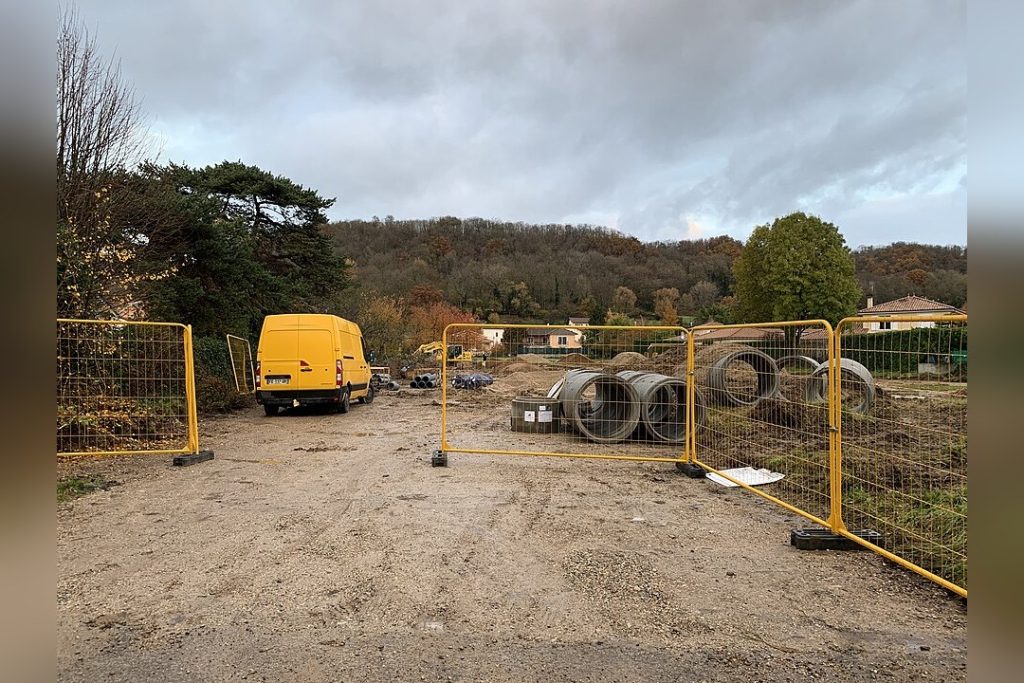
PHOENIX, July 7 — The figure that matters: 60% of construction site thefts involve thieves posing as legitimate workers, according to a 2023 study by the Security Industry Association. That statistic lands with particular force as a wave of thefts hits AI data center construction sites across the Sun Belt, where billions in new infrastructure are rising fast. The bottom line: Thieves targeting these high-tech build sites are employing sophisticated methods to avoid detection, moving well beyond simple smash-and-grab tactics.
Security firm reports detail a playbook that blends low-tech disguise with high-tech surveillance. Workers in hard hats and high-visibility vests are not always who they claim to be.
By the numbers, the losses add up fast. Generators stolen from these sites can be worth up to $100,000 each. Server racks carry a price tag of $50,000.
Copper wiring remains the constant target — a material that requires no serial numbers, making it a low-risk, high-reward commodity that moves easily through scrap yards. ## The Arizona Blueprint A single 2023 incident in Arizona, documented by the Maricopa County Sheriff’s Office, illustrates the speed and audacity of these operations. Thieves used a stolen forklift to load copper spools onto a flatbed truck.
From arrival to escape: 15 minutes. The FBI’s 2023 report on organized retail crime provides the broader context. Metal theft rings operate across state lines, the bureau found, using fake identifications to sell stolen materials to scrap yards.
The ease of reselling copper — no serial numbers to trace, no title to transfer — makes it a persistent magnet for organized crews. Investors will note that the construction boom for AI data centers has created a sprawling, high-value target environment. These sites are often in remote or semi-rural locations, spread across hundreds of acres, with equipment arriving on predictable delivery schedules. ## The Countermeasures Security firms have deployed motion-activated cameras, perimeter alarms, and 24/7 guard patrols at many sites.
The report from security firms, however, makes clear these measures are not foolproof. The thieves have adapted.
Some crews place GPS trackers on delivery trucks to monitor equipment shipments in real time, then time their thefts to coincide with arrival. The stolen forklift in Arizona wasn’t random — it was a tool selected for the job, used to load heavy spools with professional efficiency. The pattern suggests organized operations rather than opportunistic theft.
Fake IDs, cross-state logistics, GPS tracking, stolen heavy equipment — this is not petty crime. It is a supply chain problem dressed in a hard hat. ## What to Watch Next The scrap metal market will remain the pressure point.
With copper requiring no documentation for resale, the incentive structure favors the thieves. Security firms are experimenting with chemical marking systems and blockchain-based asset tracking for high-value items like generators and server racks, but those solutions remain early-stage. For the data center industry, the theft problem adds cost and delay to an already breakneck construction timeline.
Every stolen generator means a weeks-long replacement cycle. Every stripped copper line means rework. The 15-minute escape window in Arizona is the benchmark these crews are trying to beat — and they are getting faster.




