
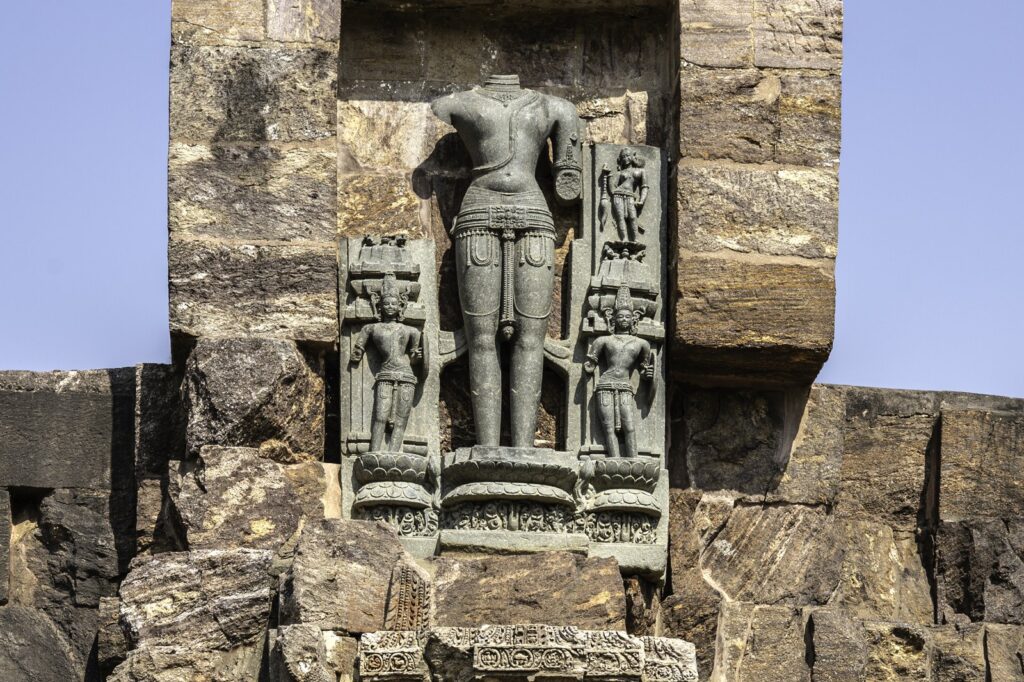
When the first worshippers made their way to the Sri Sri Hari Sahadeva Temple in Astaranga on that Wednesday in late June 2026, the morning did not belong to prayer. It belonged to the discovery that thieves had broken into the shrine.
The temple sits in Puri district, in the eastern Indian state of Odisha. Its devotees woke, in the words of the regional daily whose account reached readers the following day, to “shock and disbelief”.
What the intruders wanted was the fabric of the shrine itself. They forced their way inside, according to the report, and went for the ornaments of the deity along with other valuables. Silver jewellery disappeared. So did brass utensils and the cash that devotees had dropped into the hundi, the box that collects offerings at a place of worship.
Then the thieves fled.
Behind the theft sits a quieter failure, and locals have not been shy about naming it. The shrine had no security arrangements in place. Nothing stood between the temple and whoever decided that its silver and its offering box were worth taking.
A Pattern, Not a One-Off
The anger in Astaranga has a longer memory than a single burglary. The theft has triggered outrage among locals, the report noted, and that outrage is fed by something structural: a fear, expressed by residents, that repeated temple lootings in the area reflect a “worsening law-and-order situation”.
One break-in can be an aberration. Several, aimed at shrines that hold ornaments and offering cash rather than vaults, start to look like a habit, and it is the habit that people here say they are living with.
Police Respond, Devotees Demand More
An investigation is now open, with officers chasing whatever leads might identify and arrest the thieves, according to the account published on June 25, 2026 by Odisha Bhaskar’s English edition and carried on the Dailyhunt platform. The force faces a thin case so far: a temple stripped of its portable wealth and no arrest announced in the first telling.
Devotees, for their part, are asking for something broader than a single conviction. They want stronger protection for places of worship, measures that would extend past the big, guarded temples to smaller shrines like the one in Astaranga, and they frame the need in terms that are hard to argue with: steps, they say, that will “restore faith and safety”.
For families who give at the hundi, the human side of the story is simple. The box they fill was treated as a target. The ornaments that dress the deity were treated as loot. And the shrine they visit started its Wednesday with a burglary report instead of a ritual.
Police continue to work the case, hunting for the leads that will let them nab the culprits, while the town waits to learn whether the next Wednesday at the temple begins any differently.




