
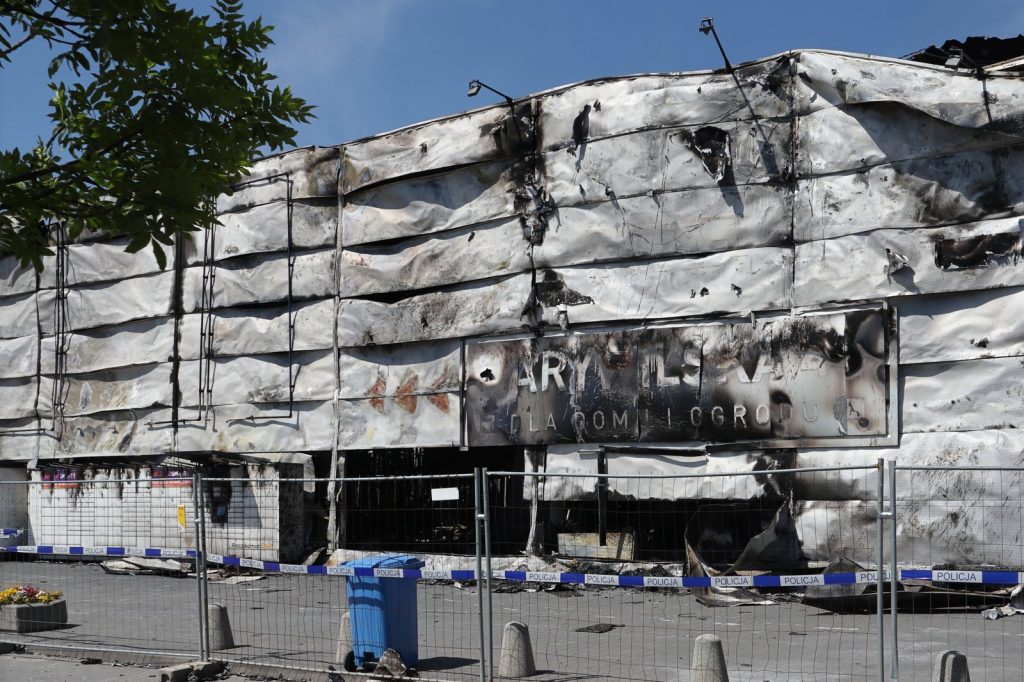
Fire Razes Warsaw Shopping Mall Amid Arson Suspicions
A devastating blaze has levelled the Marywilska 44 shopping centre in the Białołęka district of Warsaw, Poland. Investigators say the fire, which broke out on May 12 2024, is being treated as a possible arson attack.
The complex, known for hosting numerous Vietnamese‑owned businesses, was reduced to rubble, leaving a stark void in the local retail landscape.
Community Reaction and the Role of Modern Malls
Residents of Warsaw are grappling with the loss of a major shopping destination that had become a familiar gathering point. Modern malls such as Marywilska 44 typically feature department‑store anchors and house a wide assortment of goods and services under a single roof.
The mall format has evolved from early pedestrian promenades lined with shops to the large, enclosed complexes seen today. Although some centres have faced difficulties, especially in North America, many continue to thrive as lively community hubs. The destruction of this particular site underscores how vital it is to safeguard commercial spaces from harm.
Environmental Concerns Arising from the Blaze
The suspected arson raises significant environmental worries. Burning building materials can release toxic chemicals and pollutants into the air and soil, posing risks to both ecosystems and public health. Cleanup crews will need to prioritize the safe removal of hazardous substances and work to limit any contamination.
This may involve hiring specialist contractors and employing advanced detection and mitigation technologies. A proactive stance on environmental protection is essential to return the former mall site to a safe and healthy condition.
Air Quality and Public Health Implications
Particulate matter and other airborne pollutants generated by the fire could affect the wellbeing of nearby residents. Authorities are advised to monitor air quality closely after the incident and to take steps that reduce the dangers associated with poor air quality.
Possible measures include curbing emissions from local traffic and industrial activities, as well as offering guidance to residents on how to protect themselves from polluted air.
Looking Toward a Sustainable Redevelopment
In the case of the Marywilska 44 site, planners might explore options for on‑site renewable generation, such as solar panels or wind turbines, and aim to create a retail environment that embraces sustainability.
Opportunity for a Greener Future
The redevelopment of the former mall grounds presents a unique chance for Warsaw to build a vibrant, sustainable hub that places environmental protection and renewable energy at its core. By collaborating with local stakeholders, businesses, and community groups, the city can foster a retail space that benefits both the economy and the surrounding environment.
As Warsaw residents process the loss of their beloved mall, they can hold onto the hope that from the ashes of destruction a new, sustainable future can emerge—one that safeguards the health of people and the planet alike.




