
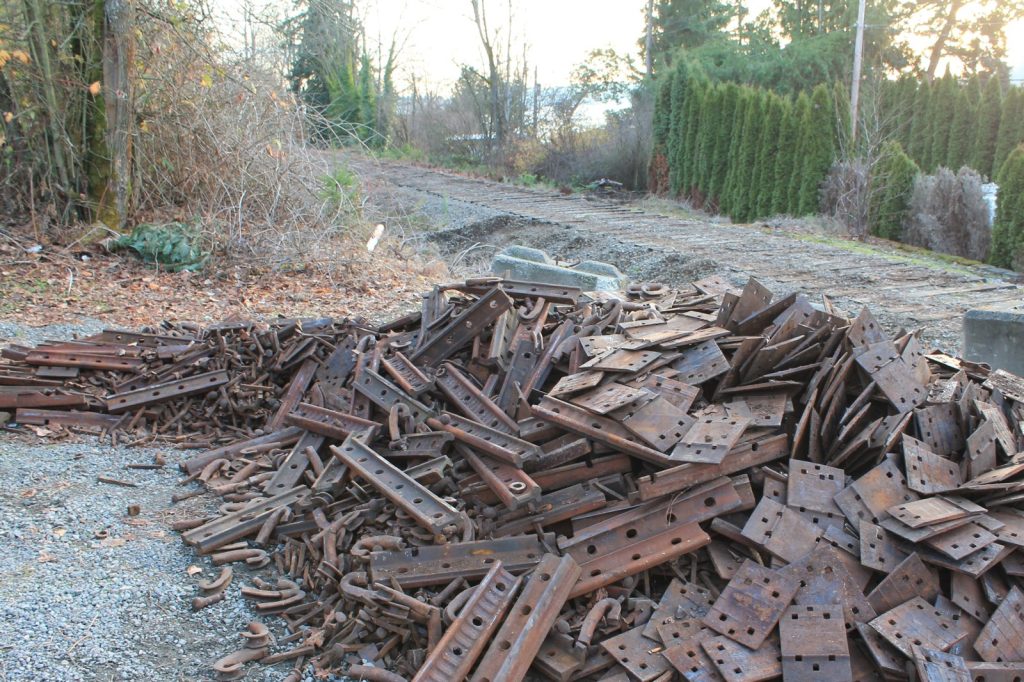
RICHMOND, Va., July 8 — The figure that matters in the fight against copper theft is $1 billion annually. That is what the National Equipment Register estimates the crime costs the U.S. economy, and state legislatures are now moving to cut off the easiest way thieves turn stolen metal into cash: the scrap yard. By the numbers, the response has been a patchwork of state laws.
Virginia passed HB 1234 in 2024, requiring scrap yards to record seller identification, take photos of materials, and hold payments for 10 days for high-value transactions. Texas passed SB 123 in 2023.
California passed AB 177 in 2022. The common thread: make it harder to sell stolen copper anonymously.
The enforcement gap
The laws work when they are enforced. In 2024, police in Prince William County, Virginia, used scrap yard records to arrest a ring that stole $200,000 in copper from data center sites. That is a concrete win — records that would not have existed without the 2024 law.
But enforcement is inconsistent. Some scrap dealers still pay cash without verification, according to the source material.
The National Association of Scrap Recyclers supports the measures but warns they increase administrative burdens. The bottom line: a law on the books is only as good as the compliance behind it. Investors will note the target of these thefts.
Data centers, construction sites, and utility infrastructure are prime targets. Copper is valuable, portable, and easily stripped.
The $1 billion annual loss figure covers the national economy, but the damage is concentrated in specific industries and regions.
Federal action on the horizon?
The patchwork approach has limits. A thief caught in Virginia faces different rules than one operating in Maryland or North Carolina. The $1 billion annual cost — a figure that has drawn attention from law enforcement and industry groups — is prompting calls for federal action.
No federal law currently exists to standardize scrap metal recordkeeping across state lines. What to watch next: whether Congress takes up a national standard.
The state-level experiments in Virginia, Texas, and California provide a template — and a warning about administrative costs. The Prince William County arrest shows the potential. The inconsistent enforcement shows the gap.
The $1 billion figure is the pressure point.




