
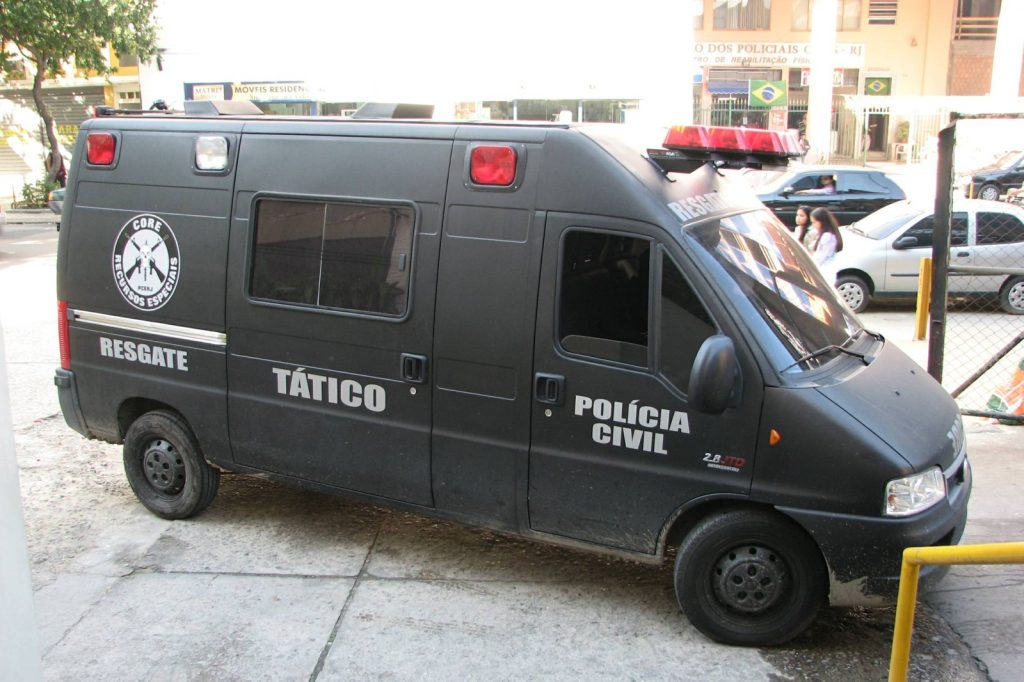
Rio de Janeiro, Brazil – A police raid in the city has resulted in a death toll that now exceeds one hundred, with officials confirming that at least 132 individuals lost their lives during the single operation. The magnitude of the loss distinguishes the incident from the routine violence that frequently afflicts the metropolis.
The city, founded in 1565 under Portuguese rule and once the capital of the State of Brazil in 1763, carries a deep historical legacy. In 1808, Queen Maria I of Portugal’s court fled Napoleon’s forces and settled in Rio, and under Prince Regent John of Braganza the territory was elevated to a kingdom within the United Kingdom of Portugal, Brazil, and the Algarves. While this past is a source of pride, contemporary Rio confronts a starkly different challenge: pervasive crime and a fraught relationship between law‑enforcement agencies and the communities they serve.
The recent operation, described by observers as a “mass casualty event,” has shattered any notion of a routine police action. The precise breakdown of those killed—whether civilians, armed participants, or bystanders—has not been disclosed, leaving a critical gap in understanding the circumstances that led to the high fatality count.
International attention has quickly followed. The President of the United States publicly expressed concern and called for a thorough investigation into the incident. The United States and Brazil have a longstanding partnership on security and law‑enforcement matters, and the current episode places that cooperation under scrutiny. Questions are being raised about whether Washington will press for accountability or accept the loss of life as an unfortunate by‑product of Brazil’s anti‑crime efforts.
Rio de Janeiro, Brazil’s second‑largest city, is renowned for its cultural richness and diverse population. Yet it is also a place where police actions have, on occasion, resulted in large numbers of fatalities. The latest figure of 132 deaths underscores the thin line that can exist between law‑enforcement and lethal force in a city battling entrenched criminal activity.
Calls for transparency and oversight are intensifying. Human‑rights groups and civic leaders are demanding a clear accounting of the operation, including who was killed and under what circumstances. So far, official reports have not indicated that any independent investigation has commenced, nor have they provided details that could clarify whether the operation was justified or constituted a massacre.
The shock of the death toll is resonating across Brazil and beyond its borders. While political leaders and international partners debate the appropriate response, the raw number—132 lives lost—remains the focal point of the discourse. It is this figure that will likely shape the narrative of the event, the perception of Rio’s security strategies, and the broader conversation about police accountability in Brazil.
As the situation develops, the absence of concrete information about the victims and the conduct of the raid continues to fuel public outcry. The pending investigation, if any, will be closely watched by both domestic and foreign observers seeking answers to how such a large‑scale loss of life could occur during a single police operation.




