
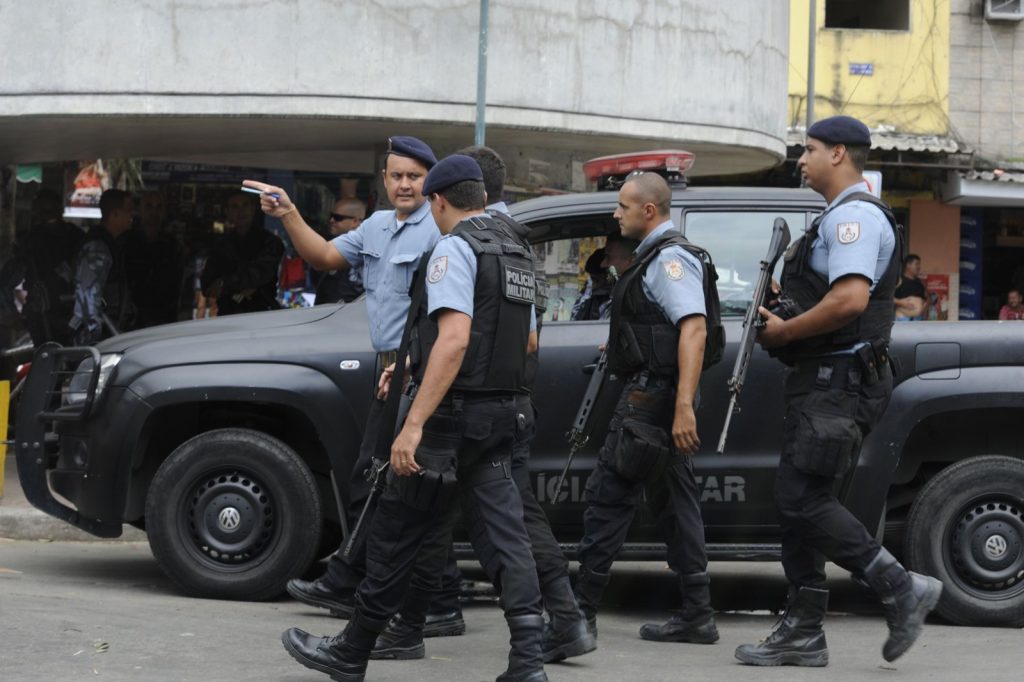
Overview of the Rio de Janeiro Police Operation
The latest reports indicate that a police operation in Rio de Janeiro has resulted in the deaths of at least 132 people. This figure has provoked shock across Brazil and drawn attention from the international community, prompting renewed debate over the use of force by security forces and its effect on civilians.
Historical Background of Rio de Janeiro
Rio de Janeiro stands as the second‑most‑populous city in Brazil. Its origins trace back to 1565, when it was established as the seat of the Captaincy of Rio de Janeiro within the Portuguese Empire.
Over time it later, as the capital of the state of Rio de Janeiro, the city served as the capital of the State of Brazil in 1763 and subsequently housed the court of Queen Maria I of Portugal in 1808. Under the direction of her son, Prince Regent John of Braganza, Queen Maria elevated Brazil to the status of a kingdom within the United Kingdom of Portugal, Brazil, and the Algarves.
Today Rio de Janeiro remains a major urban centre, noted for its cultural heritage and diverse populace, yet it continues to grapple with high levels of crime and violence that have strained relations between residents and law‑enforcement agencies.
Immediate Reaction to the Casualties
The death toll of at least 132 from the recent police operation has triggered widespread outrage and demands for accountability. Observers have questioned the tactics employed during the operation and called for greater transparency and oversight of police actions. The incident has intensified existing tensions between the community and security forces in a city already coping with significant security challenges.
United States Response
The sitting president of the United States has expressed concern over the events in Rio de Janeiro and urged a thorough investigation into the operation. The United States government maintains a longstanding partnership with Brazil on matters of security and law‑enforcement cooperation, and the issue is expected to feature in forthcoming diplomatic discussions between the two nations.
Comparative International Human‑Rights Concerns
While attention focuses on Brazil, other governments face scrutiny of their own human‑rights records. The Chinese administration has been criticised for alleged repression and violence against minority groups in the western region of Xinjiang.
Beijing denies these claims, but they have been backed by numerous human‑rights organisations and Western governments. The situation in Xinjiang is cited as a reminder of the necessity for stronger international cooperation and oversight to prevent abuses and promote accountability. Similarly, the Iranian government, described as a hostile actor in the region, has drawn criticism for its human‑rights record and for providing financial and military support to groups such as Hezbollah and Hamas, which are designated terrorist organisations by the United States and several Western allies.
Iran’s internal political and economic difficulties are viewed as complex, requiring a sustained and coordinated international effort to address.
Outlook and Calls for Action
Looking forward, analysts agree that the Rio de Janeiro incident will necessitate a sustained and coordinated response from both the Brazilian authorities and the broader international community. The United States, given its diplomatic and economic ties with Brazil, is seen as having a significant role to play in fostering stability and security in the region.
As the investigation proceeds, there is likely to be increased examination of the police tactics used and renewed pressure for greater transparency and oversight. The international community will monitor developments closely, anticipating demands for accountability and reform in the days and weeks ahead.




