
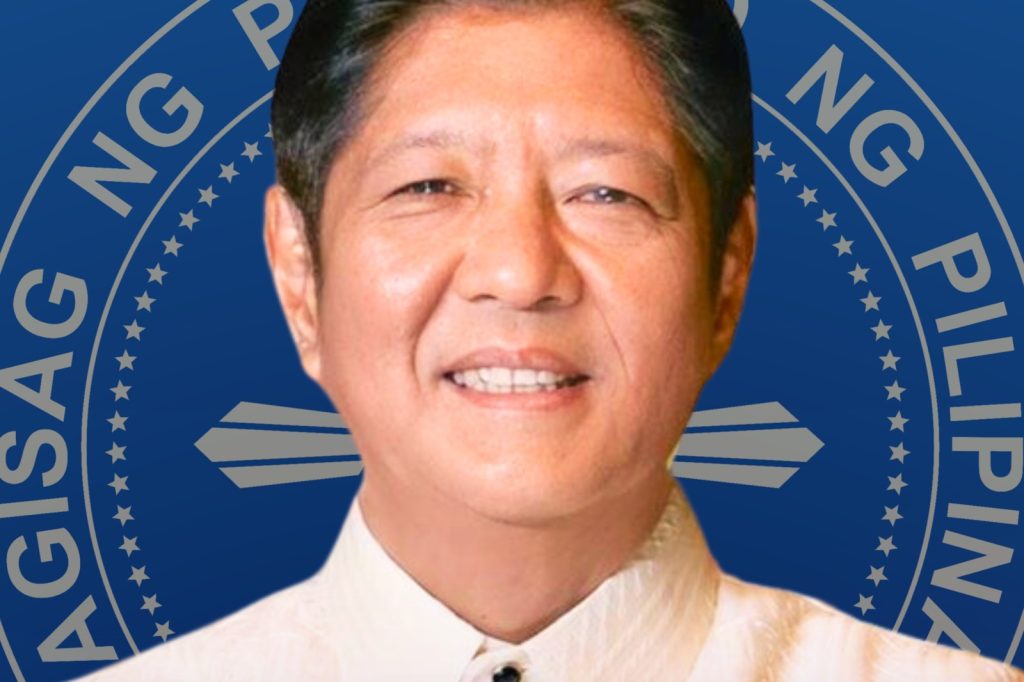
MANILA, Sept. 2 — The Philippines has tightened its grip on crimes targeting foreigners, rolling out new police measures and international partnerships after a decade of high-profile killings that have strained the country’s image as a safe destination for visitors and investors. The most sweeping change came in November 2024, when President Ferdinand Marcos Jr. signed Executive Order 74 banning Philippine Offshore Gaming Operators (POGOs), citing their links to human trafficking, kidnapping, and torture.
The following year, Congress enacted Republic Act 12312, the Anti-POGO Act, which institutionalizes the nationwide ban with penalties of up to 12 years imprisonment and fines of 50 million pesos (about US$880,000). Foreign violators face deportation and a permanent re-entry ban, with enforcement monitored by an oversight committee chaired by the Presidential Anti-Organized Crime Commission.
The crackdown followed a series of kidnap-for-ransom cases targeting Chinese and Chinese-Filipino businessmen, including the murder of steel magnate Anson Que in 2025. Those cases pushed authorities to look beyond gambling hubs and into broader public safety.
Policing upgrades and international ties
A Senate panel has since proposed regular police checkpoints, known as Oplan Sita, in kidnap-prone areas to verify foreigners’ identities, alongside language training for the Philippine National Police’s Anti-Kidnapping Group. The push for better communication with foreign victims is also taking shape through new Korean help desks nationwide, ordered by the PNP after South Korean President Lee Jae-myung’s state visit on March 3, 2026, when the PNP and the Korean National Police Agency signed a memorandum of understanding on police cooperation.
For individual cases, the PNP activates Special Investigation Task Groups. One example, SITG Carpenter, was formed after the July 2026 murder of American marine biologist Kent Carpenter in Negros Oriental.
Within 72 hours, the task force made two arrests and secured one surrender, filing five robbery-homicide charges; authorities declared the case solved. A joint military-police task force also conducts peace-and-order operations on Negros Island.
Unsolved cases remain
Still, critics point to gaps. The 2019 murder of Italian Andrea Guarniero in Dauin remains unsolved, and Western embassies continue to advise caution for foreigners living in isolated rural properties. The contrast between swift resolutions like Carpenter’s case and older open files underscores how far enforcement has come — and how uneven it still can be.
Looking ahead, the focus shifts to whether the new checkpoints, language training, and bilateral agreements can sustain the momentum. For communities across the region that depend on foreign residents and tourists, the stakes are clear: safety is not just a law-and-order issue, but one that shapes livelihoods and trust in the country’s justice system.




