
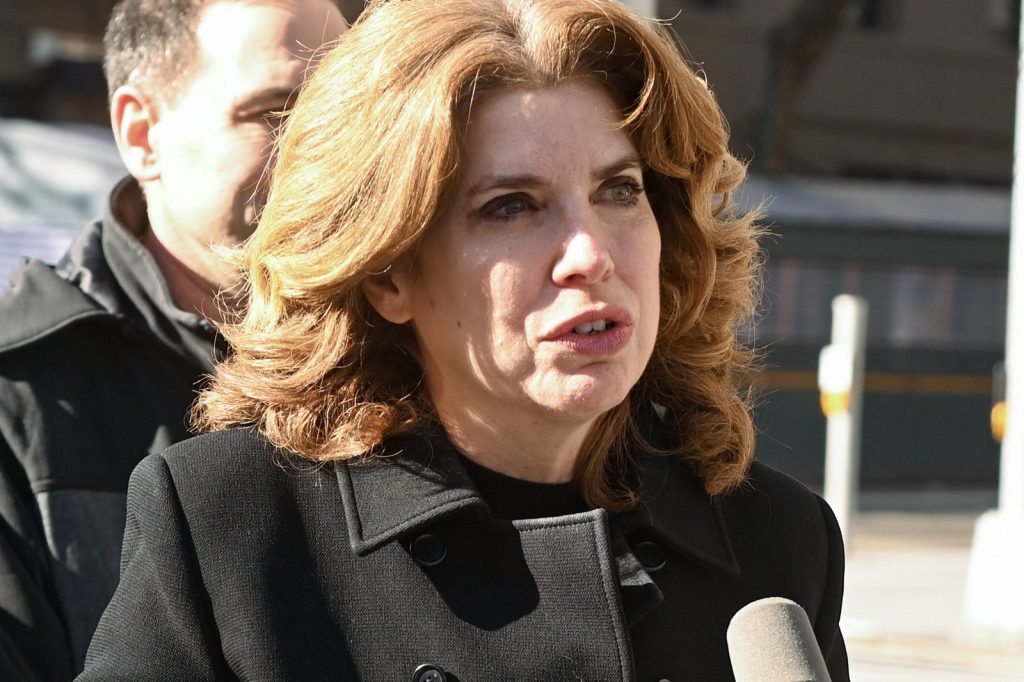
New York City, October 6 — On the ground at Manhattan’s City Hall, residents describe a pivotal moment as the New York City Council convened what officials called the nation’s first hearing focused entirely on artificial intelligence regulation. The scene unfolded on Monday, October 5, 2026, when council leaders gathered to examine a series of ten bills designed to establish safeguards for AI development.
Council Speaker Julie Menin argued that the AI industry should not be left to self-regulate, drawing direct comparisons to federal oversight models like the FAA for airlines and the SEC for financial firms. Council member Frank Morano emphasized the urgency of acting before harm occurs, stating that innovation and accountability are not enemies and referencing historical patterns where regulations followed technological breakthroughs only after people were hurt.
The council heard testimony from representatives of major tech firms including Google, OpenAI, Meta, and Anthropic, as well as from AI whistleblowers who raised concerns about the risks of unregulated systems. Their identities and specific allegations were not disclosed in the proceeding.
Mayor Zohran Mamdani praised the city’s existing decision to restrict and regulate generative AI in public schools but stressed that effective oversight ultimately requires national-level action, criticizing the framing of AI development as an arms race with China for overlooking its impact on everyday New Yorkers and Americans across all levels of society. A Meta spokesperson issued a statement ahead of the hearing, stating the company is working to make personal superintelligence widely accessible to empower people in ways that improve their lives.
The hearing took place in Manhattan, with N.J. Burkett reporting live for WABC. No specific vote outcomes, bill details, or whistleblower identities were disclosed.
Looking ahead, advocates and officials say the next steps will involve refining the proposed bills and building momentum for broader federal AI legislation, as local leaders insist New York cannot wait for national action to begin protecting its residents.




