
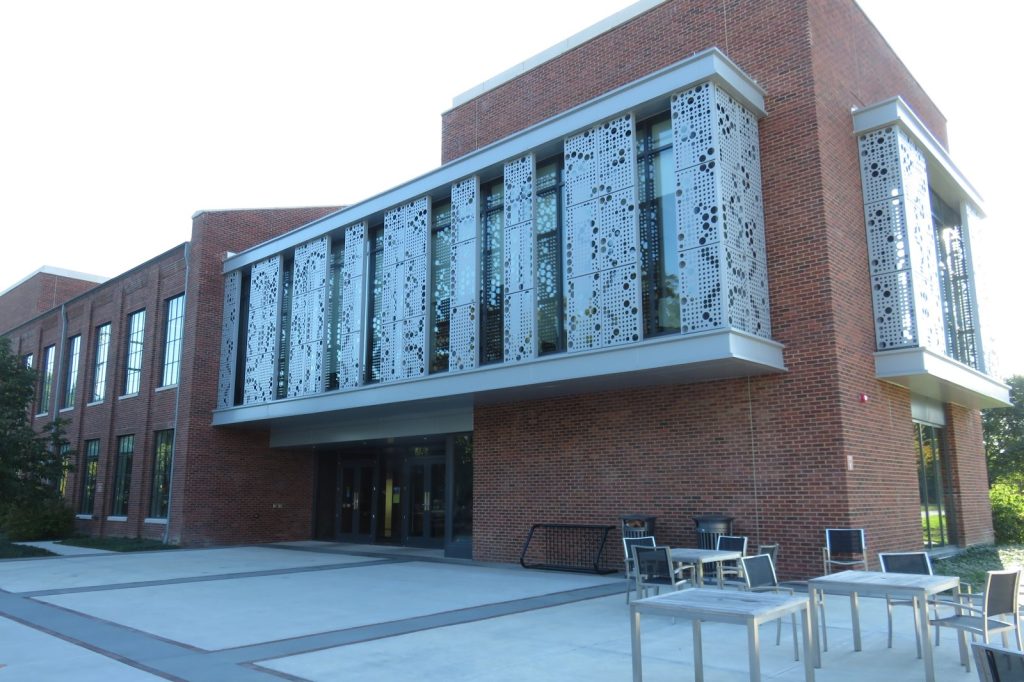
A mainframe now sits on the Poughkeepsie, New York campus of Marist University, and the people expected to use it include marketing students, pollsters and finance majors, not only computer scientists.
The machine is an IBM z17. It anchors a new Innovation Incubator that Marist and IBM have set up, building on a partnership of more than 50 years. Students will use the system to develop and test applications. IBM says the z17 is designed around the performance, security and reliability that large organizations demand, so the experience should carry over to jobs after graduation.
Until now the relationship leaned toward enterprise computing and computer science teaching. The incubator widens it. Students, faculty researchers and IBM specialists will work together on projects in areas such as marketing, business, financial management and polling. The two sides describe it as a break from treating AI and digital skills as something only computing students need. Marist says the work is meant to reach political science, communications, environmental science and library sciences too.
Three early projects
Each is at a different stage.
Marist’s Schools of Computer Science and Mathematics and of Management are planning research built around teams of autonomous AI agents running controlled, synthetic marketing campaigns. The question is whether built-in guardrails hold when the agents are told to use aggressive, deceptive or unethical tactics, and whether the protections can contain a failure.
A second project is still being scoped by the same two schools. It would apply quantum optimization algorithms to real-time financial data to produce portfolio allocations.
The Marist Poll and the School of Computer Science and Mathematics are weighing a third: how AI might be used in polling methods, survey design and models of voter turnout.
What the partners say
Marist President Kevin Weinman said the school believes “the future of higher education lies at the intersection of academic excellence and meaningful industry engagement.” The IBM tie, he said, is now being used to open “new opportunities in artificial intelligence, research, and innovation that span the entire university.”
Tina Tarquinio, IBM’s Chief Product Officer for IBM Z and LinuxONE and its Senior Location Executive for the Mid-Hudson Valley, pointed to the mix of research and job preparation. Combining IBM’s expertise with Marist’s commitment to student success, she said, creates “new pathways for research, learning, and workforce development that prepare students for the future.”
For Doris Conti, who leads product management for IBM Power Systems, the news is personal. She is a Marist alum and a former IBM intern. Writing on LinkedIn, she called the partnership a chance to “help students across majors prepare for the evolving digital economy.”
Marist has more than 6,000 undergraduate and graduate students in six schools and nearly 50 majors. It also runs a campus in Florence, Italy. The incubator follows a wider AI strategy the university announced earlier in 2026, which pairs technical AI skills with ethical reflection.




