
Across continents and professions, cancer claimed the lives of a series of well‑known individuals in March 2024. As of 15 March, a compiled roll‑call of artists, scientists, politicians and athletes illustrates how the disease touches people regardless of fame, wealth or geography. Each entry on the list represents more than a headline; it marks a family grieving, a laboratory losing expertise, a fan base mourning, or a constituency facing a leadership void. The public nature of these losses turns personal tragedy into a broader signal that cancer spares no social stratum.
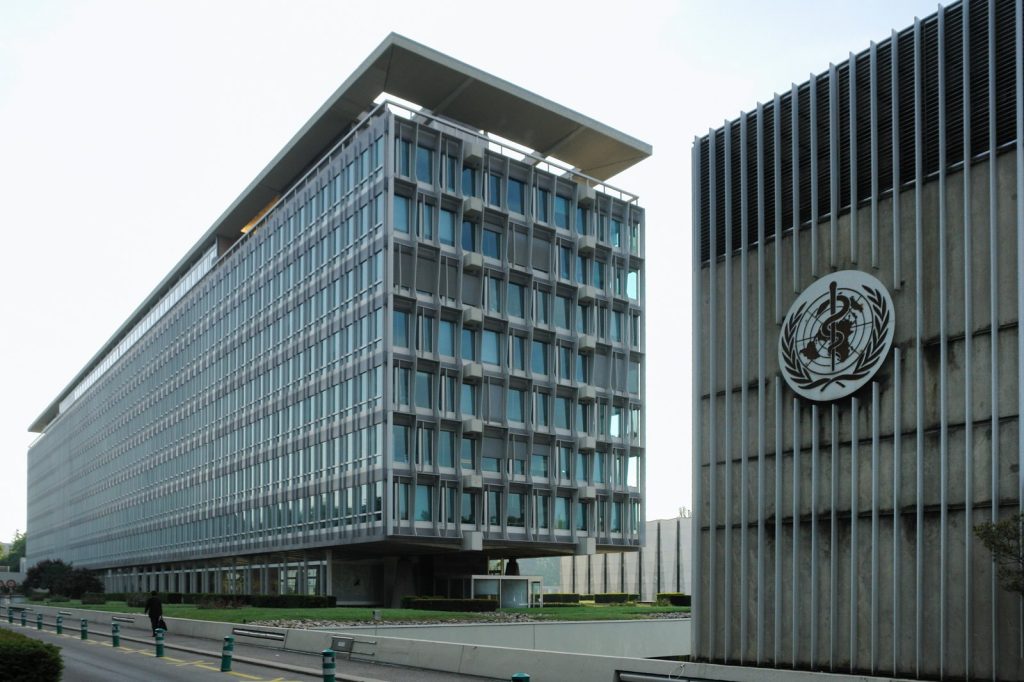
The World Health Organization has long promoted three pillars—prevention, early detection and treatment—to curb the disease. Yet the March deaths reveal that even those with access to the most advanced care are not immune, highlighting gaps that persist worldwide.
Medical researchers watch the headlines closely, aware that every name signals both a missed opportunity and a renewed urgency. Recent advances such as immunotherapy and targeted therapies have shown promise, and breakthroughs continue to emerge. Nevertheless, the current tally of notable deaths serves as a stark reminder that progress has limits and that many patients still face fatal outcomes.
For the general public, learning that a beloved actor or a respected scientist succumbed to cancer can prompt immediate action: scheduling overdue screenings, consulting doctors about risk factors, or confronting lingering anxieties about the disease. The emotional impact is compounded by the financial strain that follows each loss.
Treatment costs remain high, and even affluent families may encounter substantial expenses, while others grapple with medical debt alongside bereavement. Scientists and clinicians are working “around the clock,” a phrase that reflects real‑world dedication rather than rhetoric. Laboratories remain active late into the night, clinical trials progress, and data from the latest immunotherapy regimens are continuously analyzed.
The March 2024 list is not merely news; it is a motivator that drives ongoing research efforts. Beyond remembrance, the list functions as a valuable data set.
It records ages, professions, nationalities and specific cancer types, offering epidemiologists material to identify patterns and historians insight into which generations are most affected. Such information aids global health agencies in targeting resources, refining screening programs and advocating for increased funding. While optimism persists that future breakthroughs will eventually render cancer a relic of the past, the current deaths underscore that hope alone does not cure.
The World Health Organization and other health bodies continue to monitor these trends, using the March data to argue for stronger preventive measures, broader early‑detection initiatives and accelerated research pipelines. As the compiled list expands, the world watches for emerging details—age distribution, geographic concentration and the cancers that appear most frequently.
These metrics will reveal where victories are being achieved and where challenges remain. In the meantime, families mourn, industries lose mentorship and productivity, and the global community confronts the reality that cancer remains a formidable adversary. The work to defeat it presses on, informed by each loss and guided by the collective resolve to turn data into action.




