
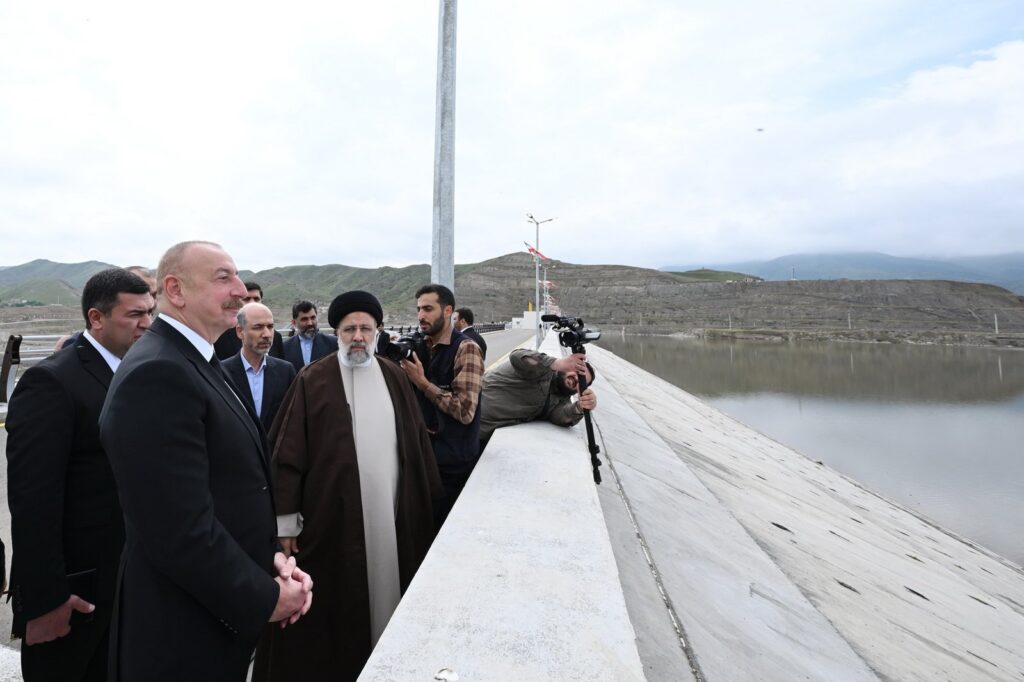
TEHRAN, July 9 — The presidency of Ebrahim Raisi, who took office on August 3, 2021, marked a significant shift in Iran’s political landscape. Succeeding the more moderate Hassan Rouhani, Raisi brought with him a background as a conservative cleric and former head of the judiciary, signaling a harder line in both domestic and foreign policy. For communities across the region, Raisi’s ascent to power represented a return to uncompromising positions in international negotiations.
His government took a hardline stance in nuclear talks, demanding full sanctions relief as a precondition for any agreement. This approach has had tangible consequences for families throughout Iran and neighboring countries, as the pace of diplomatic progress slowed considerably.
Sanctions and Economic Pressure
Iran’s oil exports have been constrained by U.S. sanctions since 2018, a reality that predates Raisi’s presidency but continued under his watch. The economic pressure has been felt by ordinary citizens, with inflation and unemployment remaining persistent challenges. The constraints on oil revenue have limited the government’s ability to fund social programs and infrastructure projects that directly affect daily life.
Raisi’s tenure saw no significant easing of these economic pressures. The hardline position in nuclear negotiations meant that sanctions relief remained elusive, creating a prolonged period of economic uncertainty for Iranian families.
For communities across Asia that trade with Iran, this uncertainty has also meant disrupted supply chains and reduced commercial opportunities.
Regional Implications
What it means for people across the region is a continuation of tension between Iran and Western powers. Raisi’s government maintained its confrontational posture, refusing to compromise on key demands in exchange for sanctions relief. This stance has kept Iran’s economy under pressure and limited its integration into global markets.
Closer to home, for Asian nations that rely on stable energy markets, the ongoing sanctions on Iranian oil have contributed to price volatility. Countries like India, Japan, and South Korea, which were once major buyers of Iranian crude, have had to seek alternative suppliers, often at higher costs that are eventually passed on to consumers.
The economist’s comparison to Trump’s China talks does not involve Raisi directly, but it highlights a broader pattern of confrontational diplomacy that has characterized international relations in recent years. For families across Asia, these geopolitical tensions translate into higher prices at markets and uncertainty about economic stability.
A Conservative Cleric’s Leadership
Raisi’s background as a conservative cleric shaped his approach to governance. His time as head of the judiciary gave him experience in Iran’s complex legal and political systems, but it also associated him with a hardline faction within the country’s leadership. This background influenced both his domestic policies and his approach to international negotiations.
For communities within Iran, Raisi’s presidency meant continued restrictions on political expression and civil society. The conservative cleric’s government maintained close ties with the country’s security apparatus and religious establishment, limiting the space for reformist voices.
This has had direct consequences for families who hoped for greater freedoms and economic opportunities. The nuclear talks under Raisi’s government proceeded slowly, with Iranian negotiators insisting on complete removal of sanctions before agreeing to any new restrictions on their nuclear program. This position, while consistent with Iran’s stated demands, made progress difficult and kept the country isolated from much of the international community.
Looking Forward
As Raisi’s presidency continued through 2026, the fundamental dynamics of Iran’s relationship with the international community remained unchanged. The hardline stance in nuclear talks, the constraints on oil exports, and the economic pressures on ordinary Iranians all persisted. For families across the region, the question of what comes next remains open, with no clear path toward resolution of the tensions that have defined Iran’s international position for years.
The impact on communities across Asia continues to be felt in energy prices, trade patterns, and regional security dynamics. As long as the fundamental disagreements between Iran and Western powers remain unresolved, the consequences for ordinary people will continue to unfold.




