
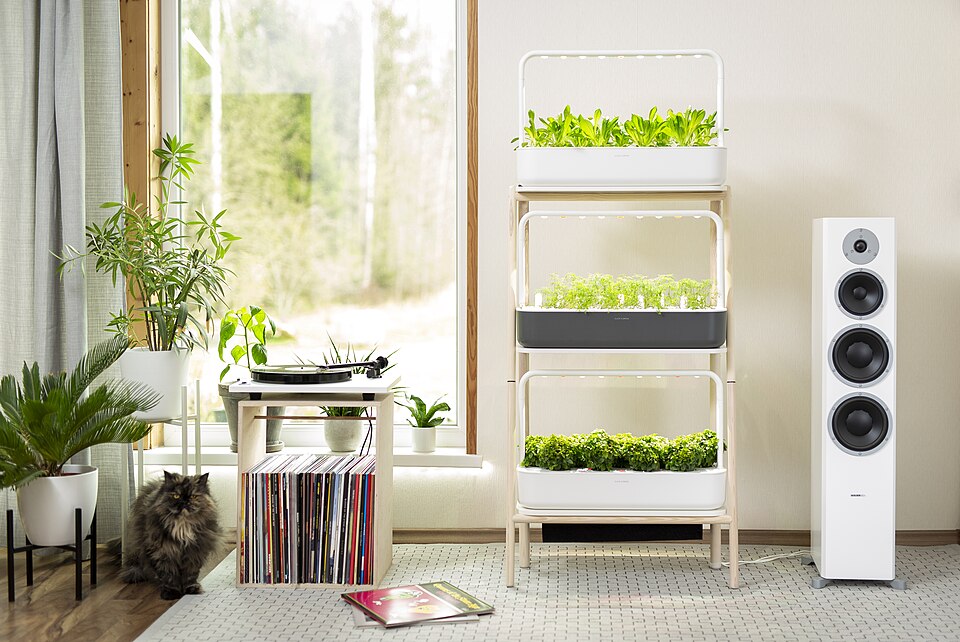
NEW YORK, October 2 — The story begins with a simple idea: fresh herbs within reach, even when snow falls outside or apartment windows face a brick wall. For those involved — urban dwellers, budget-conscious cooks, and anyone craving green life indoors — what unfolded is a return to basics, guided by time-tested horticultural wisdom and a spirit of resourcefulness. At its heart, the practice relies on choosing the right plants.
Hardy, compact varieties like basil, mint, parsley, chives, thyme, and oregano are recommended because they adapt well to containers and do not demand much space. These herbs form the foundation of a year-round indoor garden that can thrive on a windowsill or under modest artificial light.
The essential supplies are deliberately humble. Small pots or recycled containers — such as yogurt cups, mason jars, old teacups, tin cans, or plastic bottles — can serve as planters, provided drainage holes are added. Paired with well-draining potting mix and a light source, they create a functional growing environment.
Light may come from a sunny windowsill receiving at least six hours of direct sun daily or from an affordable full-spectrum LED grow light, such as a basic clip-on or strip model. Care routines are straightforward but vital.
Watering should happen only when the top inch of soil feels dry, as overwatering risks root rot. Fertilization needs are light: a diluted liquid organic fertilizer every four to six weeks is enough. Keeping indoor temperatures between 65 and 75 degrees Fahrenheit supports healthy growth, and humidity can be increased by placing trays of water nearby or grouping pots together.
To encourage abundant harvests, gardeners are advised to snip leaves regularly, cutting just above a leaf node to promote bushier growth. Starting from seeds offers the most economical path, while starter plants from nurseries provide a quicker start. Repurposing household items not only cuts costs but also aligns with sustainable habits — turning discarded objects into homes for thriving greenery.
This approach is backed by extension services from land-grant universities, including the University of Florida IFAS Extension and Cornell Cooperative Extension, which endorse indoor herb cultivation as a sustainable and accessible method for urban and suburban households. It allows home cooks to enjoy fresh, pesticide-free herbs throughout the year, reduces reliance on store-bought bundles, and minimizes food waste — all without requiring a backyard or a large budget.
Looking ahead, the trend suggests more people may turn to windowsills and countertops as sources of everyday nourishment, especially as interest in self-reliance and low-impact living continues to grow. For now, the windowsill garden remains a quiet act of resilience — one sprig at a time.




