
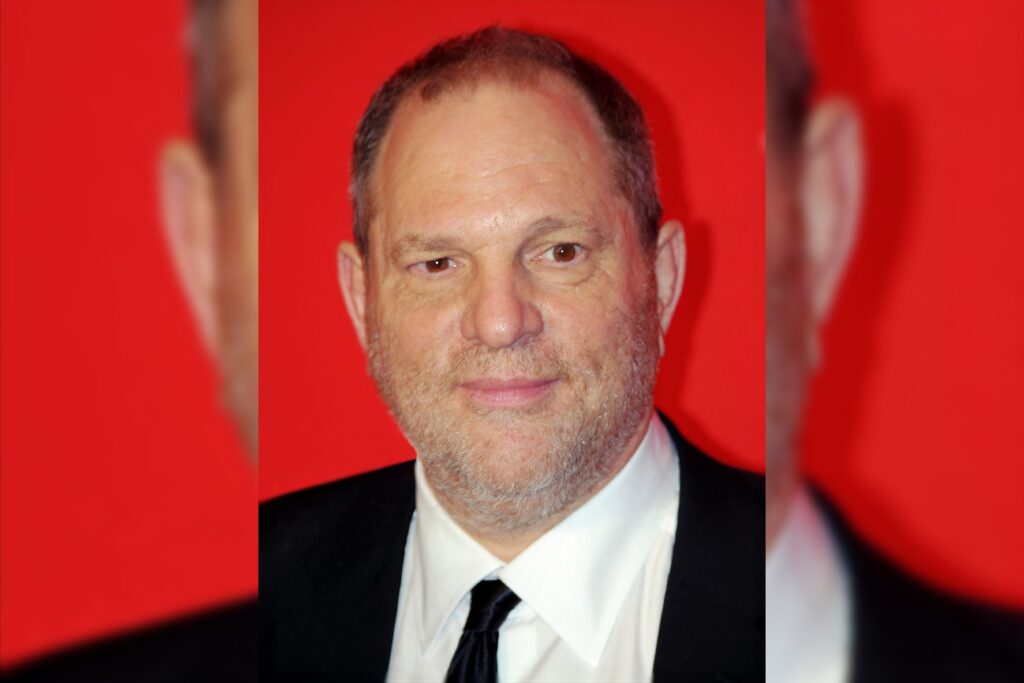
Harvey Weinstein rose from a concert promoter in Buffalo to the apex of the film industry, co-founding Miramax and later The Weinstein Company to become one of the most powerful producers in Hollywood history. He used that power to sexually assault and harass dozens of women over decades, a pattern of predation that ended only when investigative reporting in 2017 exposed his crimes and ignited the global #MeToo movement. The legal reckoning that followed produced convictions in two jurisdictions, though a New York appeals court later voided his first conviction and ordered a retrial.
The Rise
Weinstein and his brother Bob founded Miramax Films in 1979, naming it after their parents Miriam and Max. The company specialized in acquiring and distributing independent films, achieving early commercial success with titles like “Sex, Lies, and Videotape” and “The Crying Game.” In 1993, the Walt Disney Company bought Miramax, leaving the Weinsteins in operational control. Under their leadership, Miramax became a dominant force in awards-season cinema, producing or distributing Best Picture winners including “Pulp Fiction,” “The English Patient,” “Shakespeare in Love,” and “Chicago.” Weinstein cultivated a reputation for ruthless dealmaking and an uncanny ability to steer films to Oscar glory, amassing immense personal influence across the entertainment industry.
In 2005, the brothers left Miramax to launch The Weinstein Company (TWC). The new venture continued the pattern of critical and commercial success, backing films such as “The King’s Speech” and “Silver Linings Playbook.” Weinstein leveraged his status as a kingmaker to gain access to aspiring actresses, models, and employees, often meeting them in hotel rooms under the pretense of professional mentorship. Colleagues and subordinates described an environment of fear and intimidation where complaints were suppressed through non-disclosure agreements, legal threats, and the sheer weight of his industry connections.
The Wrongdoing
Beginning in October 2017, reports published by The New York Times and The New Yorker detailed allegations from dozens of women spanning three decades. The accounts described a consistent modus operandi: Weinstein would invite women to hotel rooms or private offices, often dismissing assistants or drivers, then demand sexual acts, expose himself, or forcibly assault them. Accusers included prominent actresses such as Ashley Judd, Rose McGowan, Gwyneth Paltrow, and Angelina Jolie, as well as numerous lesser-known employees and freelancers. The reporting revealed a systematic infrastructure of complicity, including private investigators hired to surveil accusers and lawyers who crafted confidential settlements that silenced victims.
The allegations ranged from sexual harassment and unwanted touching to rape. Weinstein denied all allegations of non-consensual sex, though he apologized for “the way I’ve behaved with colleagues in the past.” The sheer volume of credible accusations dismantled his empire within days. The Weinstein Company’s board fired him on October 8, 2017. He was expelled from the Academy of Motion Picture Arts and Sciences, the British Academy of Film and Television Arts, and the Producers Guild of America. Criminal investigations opened in New York, Los Angeles, and London.
The Collapse
The criminal cases proceeded on two primary fronts. In New York, Manhattan District Attorney Cyrus Vance Jr. charged Weinstein with predatory sexual assault, a criminal sexual act, and rape involving two women: Miriam Haley, a former production assistant, and Jessica Mann, an aspiring actress. The trial began in January 2020.
Prosecutors called six women to testify, including four whose allegations were not part of the indictment, to establish a pattern of behavior. Weinstein did not testify. On February 24, 2020, the jury convicted him of a criminal sexual act in the first degree against Haley and rape in the third degree against Mann.
He was acquitted of the two most serious counts of predatory sexual assault. On March 11, 2020, Justice James Burke sentenced him to 23 years in state prison.
While serving that sentence, Weinstein faced a separate trial in Los Angeles. In December 2022, a Los Angeles County jury convicted him of rape, forced oral copulation, and sexual penetration by a foreign object involving a single victim, identified as Jane Doe 1. The jury acquitted him of sexual battery against a second accuser and deadlocked on charges involving two others, including Jennifer Siebel Newsom. On February 23, 2023, he was sentenced to 16 years in California state prison, to be served consecutively to the New York term.
The Legal Reckoning
The New York conviction did not stand. On April 25, 2024, the New York Court of Appeals, the state’s highest court, overturned the conviction in a 4-3 decision. The majority ruled that Justice Burke had erred by allowing prosecutors to call witnesses whose allegations were not charged in the indictment. The court held that this “prior bad acts” testimony served only to portray Weinstein as a person prone to criminal conduct, depriving him of a fair trial. The ruling vacated the 23-year sentence and ordered a new trial. Weinstein remained incarcerated due to the Los Angeles conviction.
Manhattan District Attorney Alvin Bragg announced his office would seek a retrial. Jury selection for the retrial began in Manhattan in 2025. The Los Angeles conviction and 16-year sentence remain legally intact and unaffected by the New York appellate decision. Weinstein continues to appeal the California judgment.
Legacy
Harvey Weinstein’s legacy is defined not by the films he produced but by the systemic abuse he perpetrated and the cultural rupture his exposure caused. The 2017 reporting triggered the #MeToo movement, leading to the downfall of powerful men across media, politics, technology, and finance. It forced a global reassessment of workplace power dynamics, non-disclosure agreements, and the statute of limitations for sexual violence. Legally, the case produced a landmark conviction in Los Angeles that survives appeal, while the New York Court of Appeals ruling established a significant precedent limiting the use of uncharged allegations in sex crime trials. Weinstein, once the ultimate insider, remains incarcerated as a convicted sex offender whose industry empire served as the machinery for his predation.




