
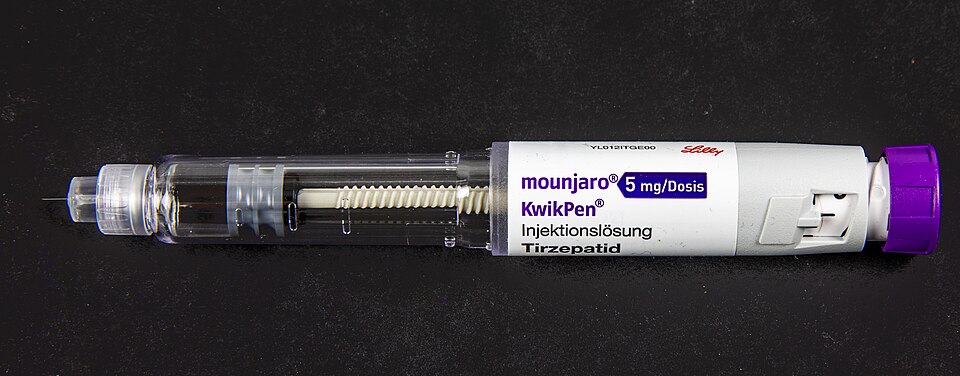
One in 71. That is how often pulmonary aspiration or regurgitation happened during anesthesia among patients taking GLP-1 drugs in a new UK study. For patients not on the drugs, it was one in 802.
For anyone on Ozempic, Wegovy or Mounjaro who has surgery coming, the numbers are worth a conversation. The researchers, led by Kariem El-Boghdadly, an anesthesiologist at King’s College London, found that patients on GLP-1 drugs may be 11 times more likely to regurgitate stomach contents during an elective or emergency procedure. Under anesthesia a patient cannot protect the airway, so that material can be inhaled into the lungs, causing injury or blocking breathing. It is the reason patients are told to fast before surgery. GLP-1 users may need to go without solid food for longer than most.
What the study looked at
Earlier work on this risk was largely retrospective and prone to reporting bias. This one is a national, multi-center investigation covering data on more than 47,000 patients having elective or emergency procedures under an anesthetist. Those on GLP-1 drugs were more likely to regurgitate, especially while waking up, though it sometimes happened at the start or during surgery. The findings were presented in September at the Association of Anaesthetists Annual Meeting in Liverpool and published in the Association’s journal Anaesthesia.
The study cannot say how the drugs and the complications are linked. Obesity and diabetes are themselves known risk factors for aspiration, so they may be muddying the results. And there were only two cases of pulmonary aspiration among 1,348 patients on GLP-1 drugs, too few to say much. The authors call for further prospective studies to find interventions that reduce the risk.
Stopping the drug may not help
Almost a third of the GLP-1 patients in the study had been told to hold off their medication for eight to 14 days beforehand. That may do very little for regurgitation, and it could raise the risk of blood sugar problems. Even after withholding semaglutide for up to three weeks, evidence suggests the stomach still empties more slowly. “Since tirzepatide and semaglutide have an elimination half-life of 5 and 7 days, respectively, cessation of 25 and 35 days (five half-lives) would be required to effectively eliminate the drug,” the researchers write.
Tell your anesthetist
This is where the human side gets awkward. More than 40 percent of the UK sample got their GLP-1 drugs outside general practice or hospital prescribing, such as online. “Consequently, people undergoing surgery may not readily report their use, and standard approaches to medicines reconciliation might not include them on admission for surgery,” the authors write.
The American Society of Anesthesiologists currently recommends that most patients continue their diabetes or weight-loss drugs before an elective procedure. People at high risk of gastrointestinal side effects should follow a liquid diet for 24 hours beforehand. The guidance warns that pausing the drug carries its own costs, including effects on blood sugar, and can be resource intensive or prohibitive on cost or insurance grounds.
Consult your doctor for medical advice.




