
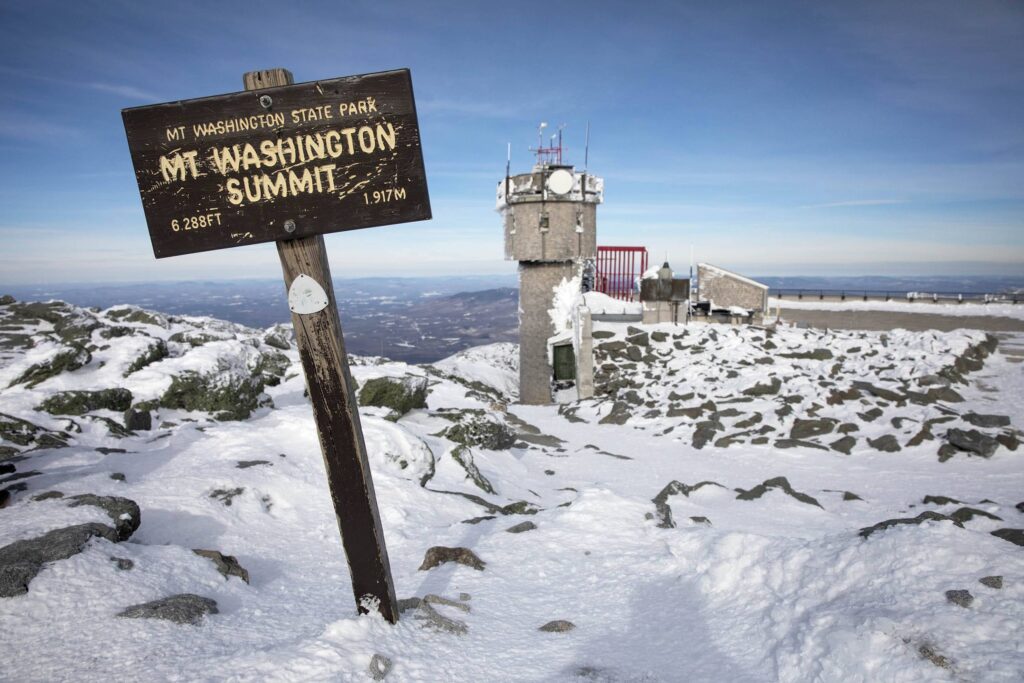
A skier lost their life on Mount Washington on March 10, while two others sustained injuries in a fall on the notorious peak. The mountain, known for its extreme weather patterns and steep terrain, has once again been the site of a fatal accident involving experienced backcountry skiers.
Preliminary reports indicate that the individuals involved in the incident were likely seasoned skiers familiar with the challenging landscape. Despite their experience, the unforgiving nature of the mountain proved decisive. The White Mountains region sees fatalities every year among hikers, climbers, and skiers, with those affected typically being experienced outdoorspeople engaged in activities that would be considered routine on less demanding terrain. Mount Washington presents unique dangers that distinguish it from other mountains in the region.
Its elevation, combined with rapidly shifting weather conditions, creates an environment where hazards can materialize without warning. A patch of ice may form where moments earlier there was soft snow, and a routine fall can escalate into a fatal slide.
The mountain functions as an anomaly in New England—a piece of Arctic terrain that demands constant vigilance. The culture among skiers who pursue the most dangerous lines on Mount Washington places a premium on risk-taking and pushing limits. This ethos, longstanding in the sport, narrows the margin for error to a razor-thin edge on a peak like Washington.
One miscalculation can yield permanent consequences. Ongoing investigations continue to gather details about the incident.
Officials are examining where the skiers fell, the conditions at the time of the accident, and whether appropriate gear was used. While authorities will seek a specific cause, the inherent danger of the mountain itself represents the fundamental factor. No amount of preparation can eliminate the risk entirely—it can only be managed.
The aftermath of this event will likely generate renewed discussions about safety measures, including calls for enhanced education, more prominent warnings, and stricter regulations. Some changes may be implemented, but the essential reality remains unchanged.
Skiers will continue to challenge themselves on Mount Washington, accepting the inherent risks that come with descending its slopes. Sometimes those risks prevail. The families of the deceased and injured now face the consequences of the accident.
The skiing community will observe a period of mourning before moving forward. The mountain endures, awaiting the next skier, the next fall, the next tragedy—a cycle that has persisted for generations and shows no signs of breaking.




