
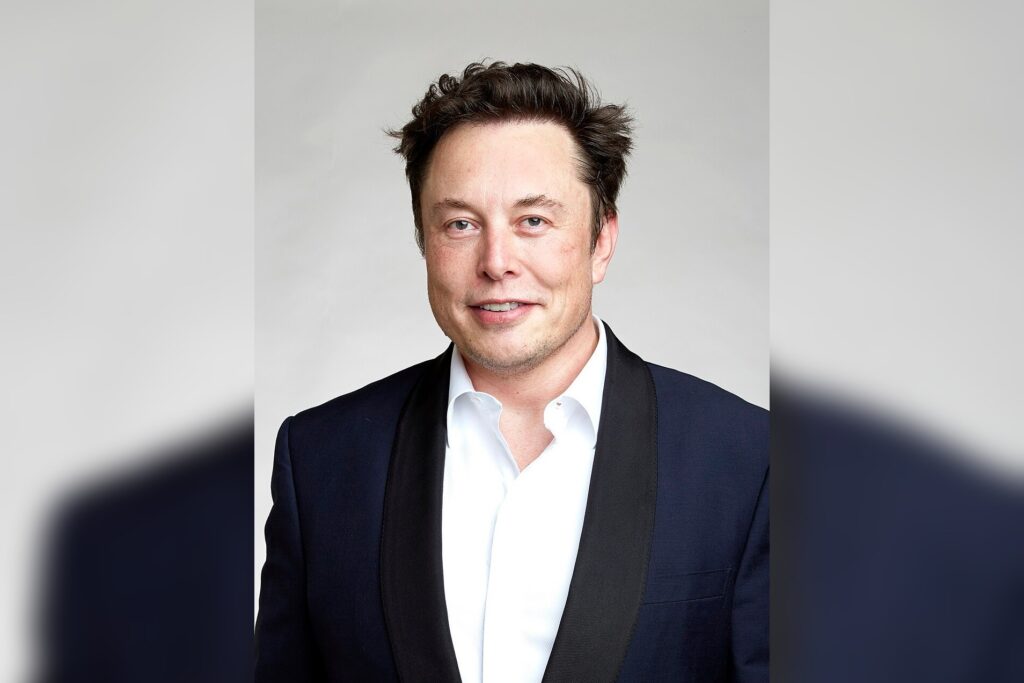
For decades, space exploration was the exclusive domain of governments with vast budgets. That paradigm began to shift in the early 2000s when private enterprises entered the field, and no figure has come to symbolize that transformation more than Elon Musk.
As of July 10, 2026, Musk’s estimated net worth stood at US$917 billion according to Forbes, making him the world’s wealthiest person since 2025 and the only US dollar trillionaire since June 2026. The bulk of that fortune is tied to his equity in two companies: SpaceX and Tesla. Musk, born June 28, 1971, in Pretoria, South Africa, founded SpaceX in 2002 and has served as its CEO and chief engineer since its inception. He remains the company’s largest shareholder.
Under his leadership, SpaceX has driven innovations in reusable rockets and commercial spaceflight, directly improving the company’s financial performance by cutting launch costs and landing lucrative contracts with NASA and private clients. The company’s early years were marked by near-bankruptcy and failed launches, but it survived by winning a NASA contract for cargo resupply missions to the International Space Station.
The Financial Pillars of SpaceX
SpaceX’s financial strength rests on two main pillars. One is launch contracts from satellite operators and agencies like NASA. The other is Starlink, the satellite internet service that generates recurring subscription fees from users around the world.
The company has achieved profitability through this mix of commercial launches and subscription-based income. Its ability to raise capital has been bolstered by investor confidence tied to Musk’s personal wealth and business track record.
The company’s diversified revenue base, anchored by Starlink and commercial launch contracts, has insulated it from overreliance on any single client or program. Reusable rocket technology is the core innovation that reshaped the industry. Traditionally, rockets were discarded after a single use. SpaceX developed the Falcon 9, a rocket whose first stage can land itself and fly again.
This breakthrough cut launch costs dramatically and allowed the company to undercut competitors and win a steady stream of commercial and government contracts. The company now operates a fleet of reusable boosters, a feat once considered impossible.
Musk’s Broader Ventures and Influence
Musk’s other ventures include co-founding OpenAI in 2015, acquiring Twitter in 2022 and rebranding it as X in 2023, founding Neuralink in 2016, and founding the Boring Company in 2017. In 2026, xAI, an artificial intelligence company Musk founded, became a subsidiary of SpaceX. Investors will note that Musk’s role as largest shareholder and CEO gives him substantial influence over SpaceX’s strategic direction, including its valuation and financial milestones.
His polarizing public statements have occasionally affected public perception, but his political activities — including serving as Senior Advisor to President Donald Trump and de facto head of the Department of Government Efficiency (DOGE) from January to May 2025 — have not directly impacted SpaceX’s financial performance. Why this matters now is straightforward.
Musk’s leadership has turned SpaceX from a startup into a dominant force in aerospace. The company’s valuation and his personal fortune are now deeply linked. As the wealthiest person in the world, Musk wields unusual influence over both private markets and public policy. His decisions at SpaceX affect not just shareholders but also the pace of space exploration, satellite internet access, and competition in the launch industry.
For readers, this means that one individual’s strategic choices can shape technologies that billions of people may one day rely on.
The Bottom Line
The bottom line: Musk’s leadership and ownership stake are central to SpaceX’s financial success and market position. The company’s diversified revenue base, anchored by Starlink and commercial launch contracts, has insulated it from overreliance on any single client or program.
Investor confidence has been high, partly because of Musk’s personal track record and his controlling stake in the firm. As the only US dollar trillionaire since June 2026, Musk’s personal fortune and SpaceX’s trajectory remain inextricably linked, shaping the future of an industry that was once the sole province of governments.




