
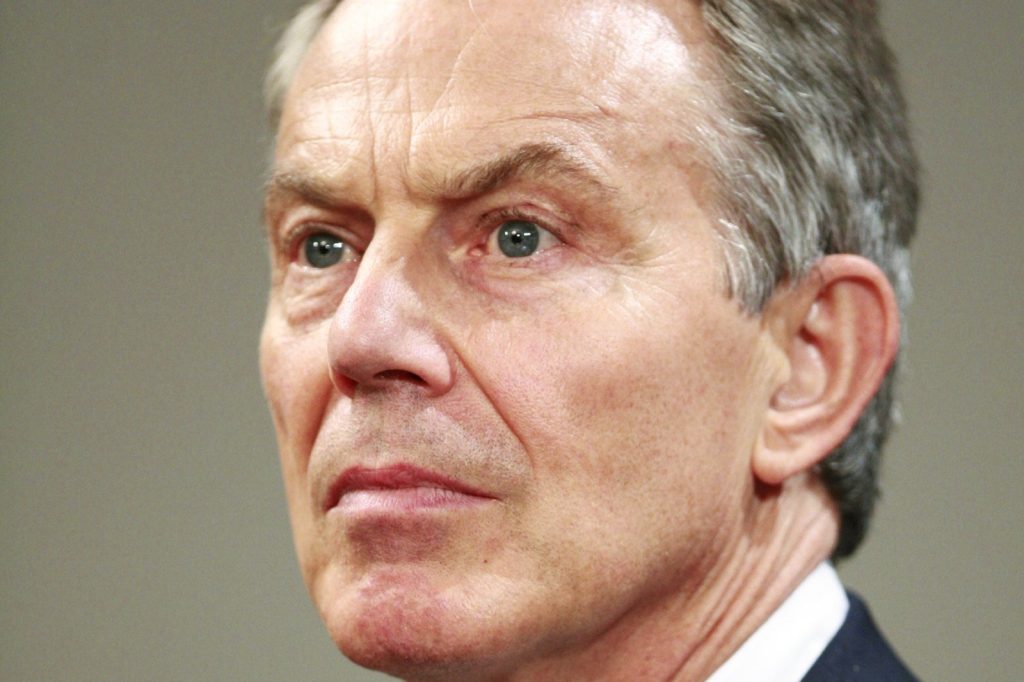
LONDON — The judgment came wrapped in a suit metaphor. “Mediocrity in a suit,” the critic said. A former British prime minister, now reduced to a punchline in the ongoing argument over what leadership means in this country, has been written off as a non-entity.
The label sticks because it fits a pattern: a leader who governed but never commanded, who occupied the office without leaving a mark on it. The critique did not stop there.
The former PM was called “one of history’s feeblest non-entity PMs.” A cliche-spouter. A blank. The charge is not merely personal.
It is institutional. If the prime minister is supposed to impose character and belief on the nation, what happens when the holder of the office has no character to impose?
The question echoes through Westminster, where the machinery of government grinds on regardless of who sits at the top. This is not a new debate. British politics has cycled through strong personalities and quiet placeholders for generations.
Churchill cast a shadow that lasted decades. Thatcher remade the country in her image. Blair understood the camera as well as the dispatch box.
But the system also produces leaders who arrive by accident or attrition, who hold power without wielding it. The former PM in question appears to belong to that second category.
The critic’s remark that “only sketch writers will miss” this particular leader cuts deeper than it seems. Sketch writers cover the human comedy of politics: the gaffes, the mannerisms, the awkward handshake, the stumble on the steps of the plane. They thrive on personality.
A leader who gives them nothing to work with is a leader who has not connected. The sketch writers will move on.
The country, the critic suggests, already has. What is at stake here is the reputation of the office itself. A succession of weak or forgettable leaders erodes public faith in the system.
Voters begin to see the prime ministership as a revolving door, not a position of genuine authority. The critic’s blunt assessment is part of a broader reckoning. As the political landscape shifts, the legacy of each former leader comes under fresh scrutiny.
The question is no longer just what they did, but whether they mattered at all. The former PM’s tenure, now closed, is being measured against a simple standard: did he shape the era, or did the era shape him?
The answer, from this critic, is clear. He was a passenger. A placeholder.
A man who filled the frame but never filled the role. The language is harsh, but the underlying argument is familiar.
Leadership requires a distinctive personality. Without it, the office becomes a costume, and the person inside it is just a suit. This matters now because British politics is in a period of transition.
The old certainties are gone. The two-party system is fractured. The public is restless and skeptical.
In such a climate, the memory of a leader who failed to impose himself becomes a warning. It is not enough to hold power.
You have to use it. You have to leave a mark. Otherwise, you are just another name in a long list, and the sketch writers will be the only ones who remember you.




