
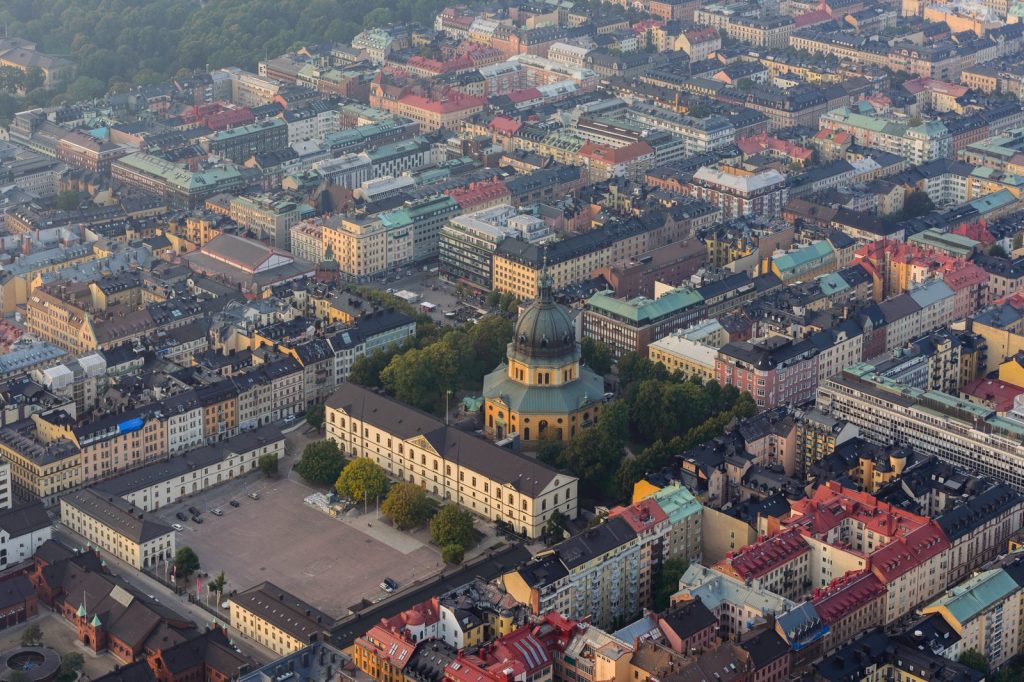
A bus collided with a bus stop in Stockholm’s Östermalm district on November 14, 2025, resulting in three deaths and three injuries. The cause of the incident remains under investigation.
The event has deeply affected the local community. The accident occurred at a bus stop in Östermalm, a densely populated and affluent area. Unlike basic stops with simple poles and flags, this location featured a shelter equipped with glass panels, benches, and electronic displays providing real-time arrival information.
These amenities are designed for passenger comfort and efficiency, not to withstand the impact of a bus. The incident raises questions about safety in public transportation systems.
Safety considerations extend beyond seatbelts and speed limits to encompass the entire system, including the vehicle, road conditions, the stop itself, and the driver. A bus, due to its weight, can become a dangerous object at speed. Regular maintenance, driver training, and route planning are critical factors that can determine whether a commute remains routine or turns tragic.
Stockholm, like many cities, has promoted public transit to reduce congestion and air pollution as part of a shift toward renewable energy and sustainable urban living. While this approach is beneficial, the Östermalm crash serves as a reminder that safety must accompany environmental goals.
A well-designed network loses its value if it endangers lives. Bus stops vary widely. High-use stops receive shelters, seating, and real-time information, while low-use stops may have only a pole and flag. The stop involved in the crash was of the former type.
However, concentrating stops into transport hubs, while convenient for route interchanges, also increases risk. When an incident occurs at a busy hub, more people are potentially exposed.
The victims were waiting at the stop, engaged in no wrongdoing. Public transit is generally considered safe and responsible, but that reputation does not comfort the families of those who died. The investigation will examine the bus, driver, road conditions, weather, and maintenance and training records.
The cause could be simple, such as mechanical failure, a medical event, or inattention, or complex, resulting from a series of small failures. The incident underscores the need for constant vigilance in public transportation infrastructure.
This vigilance must be maintained daily, for every bus, stop, and driver. The system functions as a chain, and its strength depends on each link. Stockholm will mourn, then seek answers.
The three deceased and three injured, along with all who continue to use public transit, deserve those answers.




