
Three weeks before he died, Tyler Morton was walking and talking. His sister Ella says that by the end he “couldn’t do anything himself.”
Tyler, a 21-year-old artist from Bedford, England, died on March 25. His family says the first doctors who saw him diagnosed an ear infection. The illness turned out to be a grade 4 glioblastoma, and from first symptoms to death it took about four weeks.
From earache to seizures
It started with an earache in January. Then the left side of Tyler’s face went numb and walking became hard. At the hospital he was told it was an ear infection and sent home with antibiotics.
They did nothing. He began vomiting, and he lost function down his whole left side.
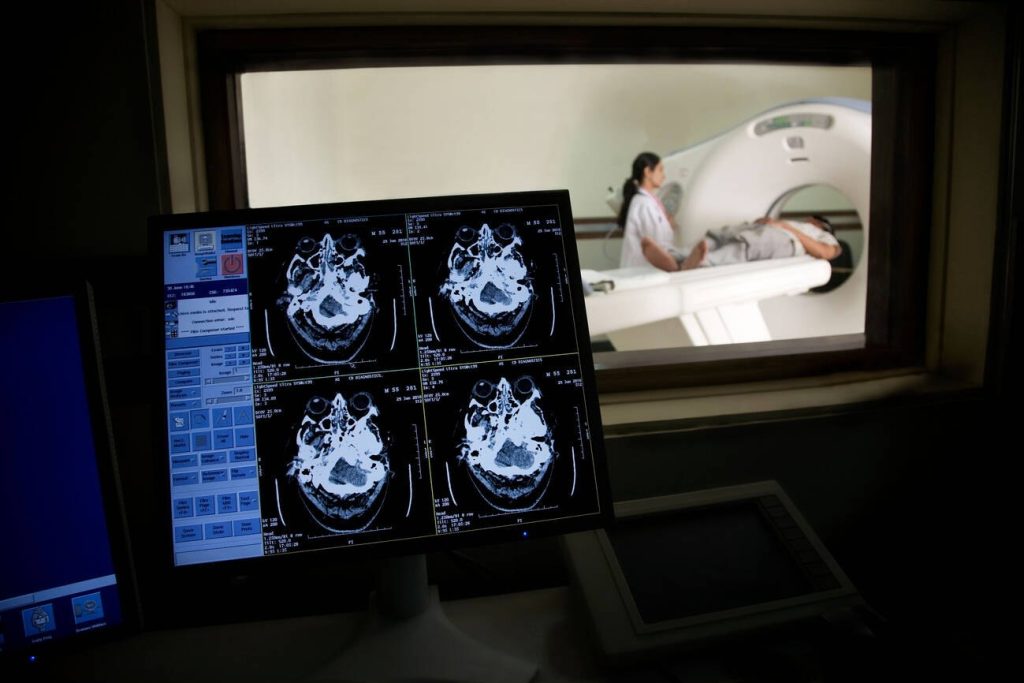
Ella Morton, 19, a mechanic, said a CT scan at that stage “didn’t show anything untoward.” Doctors told Tyler he had vertigo and gave him anti-nausea medication that, in her words, “didn’t help at all.”
She took him back. “When we arrived, he had two seizures,” Ella said. “He was physically disabled by this point and could barely talk.”
A second CT scan five days later found a lesion on his brain. Tyler was referred to a specialist hospital in Cambridge for another scan and a biopsy. A week on, the family heard the diagnosis: glioblastoma, an aggressive brain cancer with no cure.
Doctors judged him too ill for treatment. His body, they said, could not have coped with it. Tyler was discharged to die at home.
“He was just a body at that point,” Ella said.
“At least that would have felt like we tried”
Ella said she knew cancer could strike anywhere but had not understood “how badly it affects you if it’s in the brain.” Treatment options, she added, are far narrower than for other cancers.
“I was so angry and upset that we hadn’t found out he had a brain tumor sooner,” she said. “If they had found it sooner, he probably would have had the chance to have chemotherapy. At least that would have felt like we tried.”
The National Brain Tumor Society puts the five-year relative survival rate for glioblastoma at 7 percent, with median survival of eight months. It estimates 18,350 people in the US will die from malignant brain tumors this year. Those numbers have barely changed in decades, even as outcomes for many other cancers have improved.
In Britain, the charity Brain Tumour Research says only one percent of the national cancer research budget has gone to brain tumors since records began in 2002. The disease kills more children and adults under 40 than any other cancer, the charity says. Its director of research and policy, Dr Karen Noble, said Tyler’s story “reflects the devastating reality faced by so many families.” She called for more money for glioblastoma research, wider access to clinical trials and an end to unequal access to genome sequencing.
Ella has spent Glioblastoma Awareness Week, July 13 to 19, speaking about her brother. In May she finished a 200-kilometer fundraising challenge that raised more than $1,650 for Brain Tumour Research.
“What happened to Tyler was such a traumatizing experience and I don’t want anyone else to go through that,” she said.




