
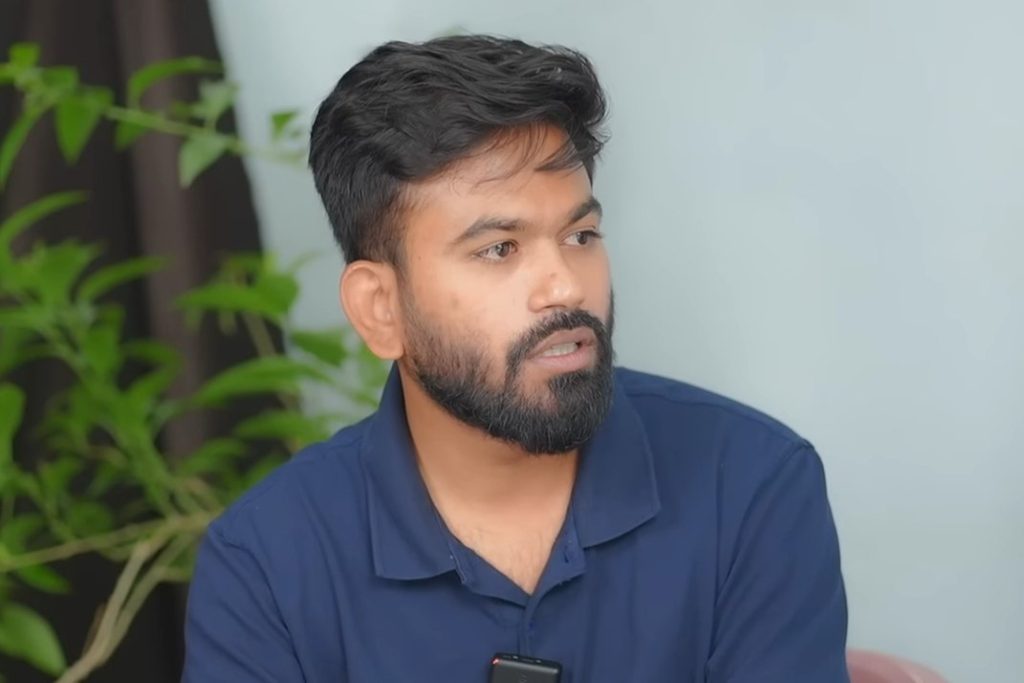
NEW DELHI, October 14 — Gen Z-led protests have reshaped politics across South and Southeast Asia, driven by youth frustration over unemployment, corruption, and systemic neglect. In India, protests over education system failures—including the May 2026 cancellation of the National Eligibility cum Entrance Test (NEET) due to paper-leak allegations and the Supreme Court Chief Justice’s comparison of unemployed youth to ‘parasites’ and ‘cockroaches’—sparked the formation of the Cockroach Janta Party (CJP) by Abhijeet Dipke, an Indian student who graduated from Boston University in 2025 with a master’s in public relations.
The CJP’s Instagram account gained 20 million followers within days, according to Time. Thousands of Gen Z protesters gathered at Jantar Mantar in New Delhi, demanding the resignation of Education Minister Dharmendra Pradhan, which was achieved on July 25, 2026.
Following the protest, the Indian government introduced a bill to amend the public examinations law and announced an examination reform task force. In September 2026, the CJP launched a new campaign calling for the resignation of Chief Election Commissioner Gyanesh Kumar over alleged voter roll manipulation, leading to street protests in October with participation from opposition parties and civil society groups; the Election Commission denied the allegations. The CJP later split internally, forming the Cockroach Janta Party—Democratic.
In Nepal, Gen Z protests erupted in September 2025 after the government banned social media platforms that failed to meet registration requirements, as reported by the Harvard T.H. Chan School of Public Health.
Protesters viewed the ban as an attack on freedom of expression, particularly targeting hashtags like #NepoKids and #YouthAgainstCorruption. The government also shut down the internet, but underestimated youth mobilization. Underlying issues—unemployment, corruption, and nepotism—had persisted for years in a country where 56% of the population is under 30, while the average age of leadership was 70.
Internet connectivity had expanded to cover more than half the population in the prior decade, with youth active on Instagram, TikTok, Reddit, and Discord. In Bangladesh, Gen Z protests in 2024 contributed to government change, though specific details are not elaborated in the source. Across these countries, governments have done little to address economic distress and corruption, leaving Gen Z—bearing the brunt of failing systems—to use social media for organizing, documenting, and demanding accountability.
Despite suppression efforts, these protests have produced tangible political outcomes, though their ability to sustain solidarity and pursue lasting reforms beyond immediate demands remains uncertain.




