
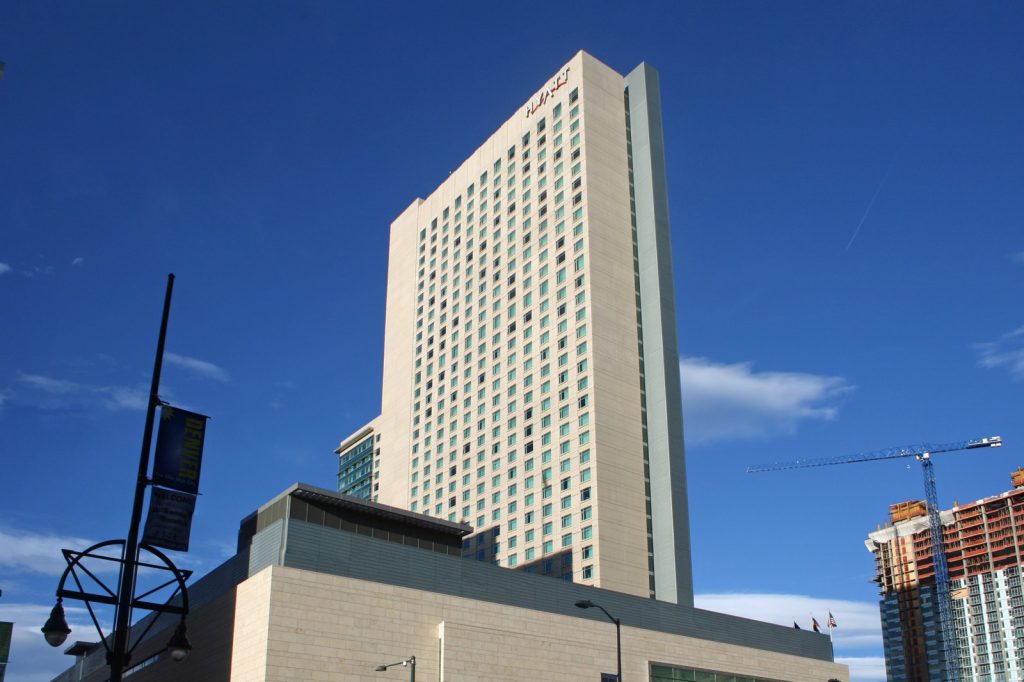
DENVER, October 12 — The story begins in a new hall, where the clink of glass and the hum of forty-two years of history found a fresh address. The 42nd Great American Beer Festival opened its doors at a relocated Denver venue, a move the Brewers Association said was driven by the simple pressure of growth: more breweries, more entries, more people wanting to be part of what has become the nation’s largest commercial beer competition. What unfolded this week was a reworked format built for scale. Organizers expanded tasting halls, redrew logistics, and added space for the educational seminars and networking sessions that have turned the festival into a working marketplace as much as a celebration. For the hundreds of breweries shipping thousands of entries, and the tens of thousands of attendees — industry professionals, media, and enthusiasts alike — the new layout was meant to ease the crush that comes with success. At its heart, the festival remains a benchmark. Panels of expert judges evaluate entries across dozens of styles, awarding medals that can define a brewery’s year. But the event’s gravity extends beyond the judging tables. The Brewers Association notes that craft breweries now account for over 25% of the U.S. beer market by volume, a share that has climbed steadily alongside the festival’s own expansion. GABF has become the calendar anchor for that rise, a place where consumer trends are tested and industry standards are argued in real time. The economic ripple is tangible. Denver’s hospitality and tourism sectors absorb a surge each autumn as the festival draws its annual crowd. For those involved — the brewers pouring flagship beers alongside experimental batches, the volunteers managing lines, the judges calibrating palates across flight after flight — the week is a marathon of exposure and exchange. < h2 > A cornerstone reaffirmed < /h2 >
The 2026 edition did not reinvent the festival so much as reinforce it. As the longest-running and most-attended beer competition in the country, GABF continues to pair rigorous judging with public engagement, a dual mandate that has sustained its relevance through decades of industry transformation. The new venue, the expanded halls, the adjusted schedule — each was a response to a simple fact: the craft beer movement keeps growing, and its flagship gathering has to grow with it. < h2 > What to watch < /h2 >
Next year will test whether the new footprint holds. The Brewers Association has signaled that participation shows no sign of plateauing, and the festival’s role as both commercial engine and cultural touchstone means every logistical choice carries weight. For now, the glasses are emptying, the medals are packed, and the planning for year forty-three begins.




