
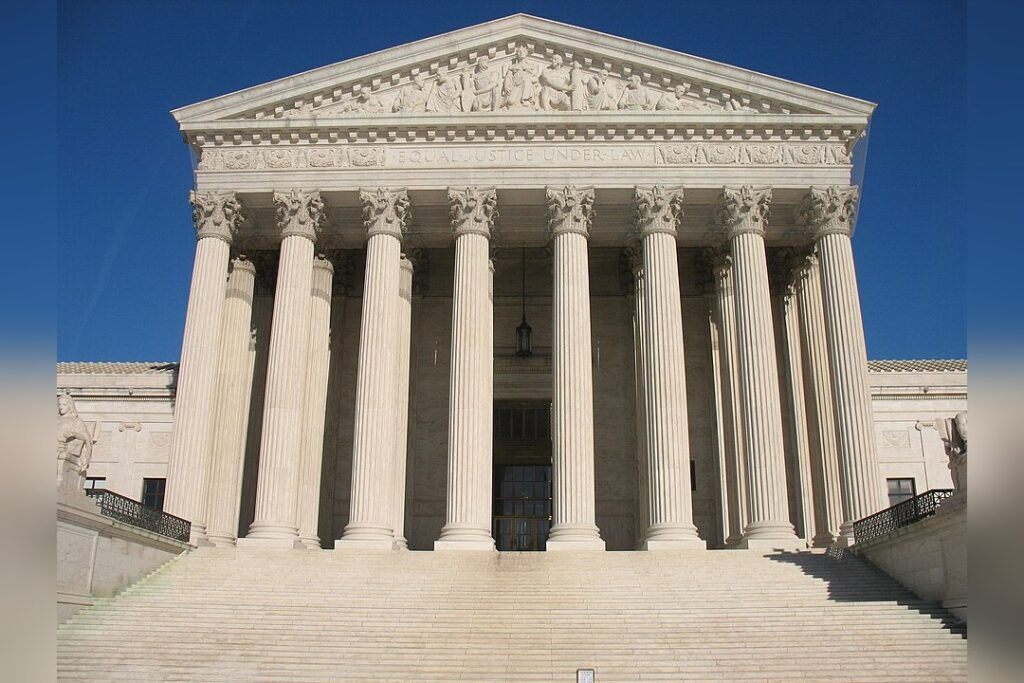
Washington, D.C., October 7 The Supreme Court will hear arguments in Wassily v. Blanche on November 30, 2026, a case that could reshape how migrants who once held asylum status pursue permanent residency in the United States. The dispute centers on whether individuals who were granted asylum but later lost that status can still adjust their immigration status to become lawful permanent residents, commonly known as obtaining a green card.
At the heart of the case is a question of statutory interpretation: does federal law require a migrant to maintain asylum status continuously in order to be eligible for adjustment of status, or does the initial grant of asylum suffice? The Justice Department maintains that ongoing asylum status is a necessary condition, arguing that the attorney general’s authority to issue a green card depends on the applicant still qualifying as an asylee under current law.
Two migrants, Tamer Wassily and Byron Velásquez Arreaga, are challenging this interpretation. They contend that once asylum has been lawfully granted, there is no additional requirement to retain that status in order to pursue adjustment of status. Their position rests on a reading of the Immigration and Nationality Act that they say does not impose a continuing asylum status condition for eligibility to adjust to permanent resident status.
The case arrives at the Supreme Court after lower courts divided on the issue, reflecting differing interpretations of how the attorney general’s discretion under immigration law interacts with the permanence of asylum benefits. For communities across Asia, where many migrants flee persecution and seek protection through asylum before building lives in the U.S., the outcome could directly affect families who have established homes, jobs, and community ties but now face uncertainty over their long-term status.
The sitting administration, led by President Donald Trump, has emphasized strict adherence to immigration statutes, and the Justice Department’s position in this case aligns with that approach. Secretary of State Marco Rubio has previously spoken about balancing humanitarian commitments with enforcement of immigration rules, though he has not commented directly on this litigation.
As the nation waits for oral arguments in late November, legal observers note that the Court’s interpretation could clarify a significant gap in immigration policy — one that affects not just the two named plaintiffs but potentially many others who have relied on asylum as a pathway to stability. The ruling will determine whether loss of asylum status automatically bars adjustment of status or whether the initial grant remains sufficient for eligibility to pursue a green card.
All eyes will be on the Court’s reasoning, as it promises to define the durability of asylum-based immigration benefits in a system where shifting conditions in home countries can lead to the termination of protection, even as individuals seek to put down lasting roots in the United States.




