
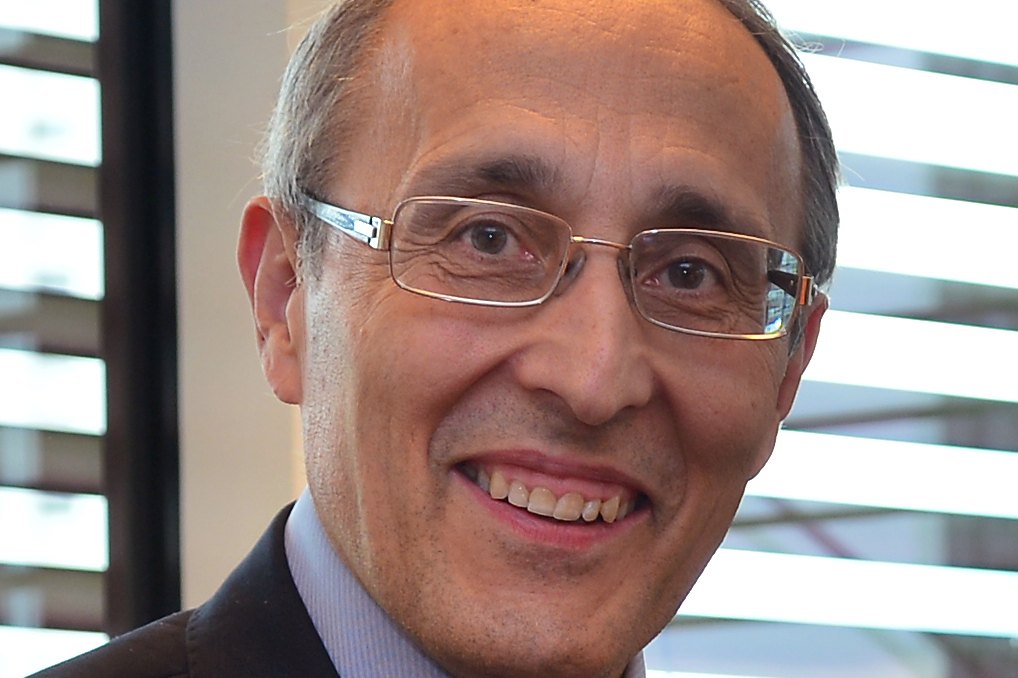
PARIS, July 6 — Dr. Bernard Bigot, the French chemist who led the ITER fusion project from 2015 until his death in 2022, is being remembered as the director who pushed the world’s largest fusion experiment from design toward construction. Bigot, who held a PhD in chemistry from the University of Lyon and previously served as France’s High Commissioner for Atomic Energy, took over the ITER Organization at a critical juncture.
The project, a collaboration of 35 nations under construction in Cadarache, France, had long been plagued by budget overruns and schedule slippages. Officials confirmed that under Bigot’s tenure, the estimated cost exceeded $20 billion.
The record shows Bigot was instrumental in keeping the multinational effort on track despite significant geopolitical tensions among member nations. His leadership saw ITER move from the design phase into actual construction, with first plasma now expected in 2025. Bigot was known for his efforts to manage the project’s complex budget and schedule.
The scale of the engineering challenge was enormous, and his steady hand was widely credited with preventing the collaboration from fragmenting under financial and political pressure. He was a vocal advocate for the long-term vision of fusion energy, arguing that international cooperation was essential to solving the world’s energy challenges.
His successor, Pietro Barabaschi, took over as ITER Director-General in 2022 following Bigot’s death. The fusion experiment itself remains a massive undertaking. ITER, or International Thermonuclear Experimental Reactor, is designed to demonstrate the feasibility of fusion as a large-scale energy source.
The project brings together nations that do not always see eye to eye on other matters, making Bigot’s diplomatic skills as important as his scientific credentials. French officials have noted that Bigot’s background as High Commissioner for Atomic Energy gave him the technical authority and political experience needed to navigate the project through its most difficult years. His chemistry doctorate from Lyon provided the scientific foundation.
Looking ahead, the ITER project now faces the challenge of delivering on the schedule Bigot helped establish. The first plasma target of 2025 remains the benchmark, and Barabaschi’s team must manage the same cost and timeline pressures that defined Bigot’s tenure.
The fusion community continues to watch whether the project can meet its milestones without the steady hand that guided it through the design-to-construction transition.




