
Federal and state investigators in Sinaloa remain focused on locating ten workers who vanished from a Canadian‑owned gold and silver mine on 28 January. The operation entered its second week on Friday, when officials announced two new developments: the apprehension of four individuals and the recovery of human remains from the rugged terrain surrounding the mine. While the arrests have been confirmed, authorities have not disclosed the specific alleged roles of the detainees or any links they may have to organized crime groups that dominate the region.
Likewise, officials have refrained from stating whether the recovered remains belong to any of the missing employees. State prosecutors have neither confirmed nor denied a connection, noting that forensic identification is still in progress.
The kidnapping itself was marked by a bold intrusion. Armed men stormed the mining site, seized ten employees, and fled the scene. The mining company has chosen not to release the names of those taken, citing security concerns for the families in a state where public identification can attract further violence from drug‑trafficking organizations.
Sinaloa, a large state bordering Sonora, Chihuahua, Durango and Nayarit, has long been a stronghold for powerful cartels. Its capital, Culiacán Rosales, along with other major cities such as Mazatlán and Los Mochis, have experienced frequent cartel‑related incidents.
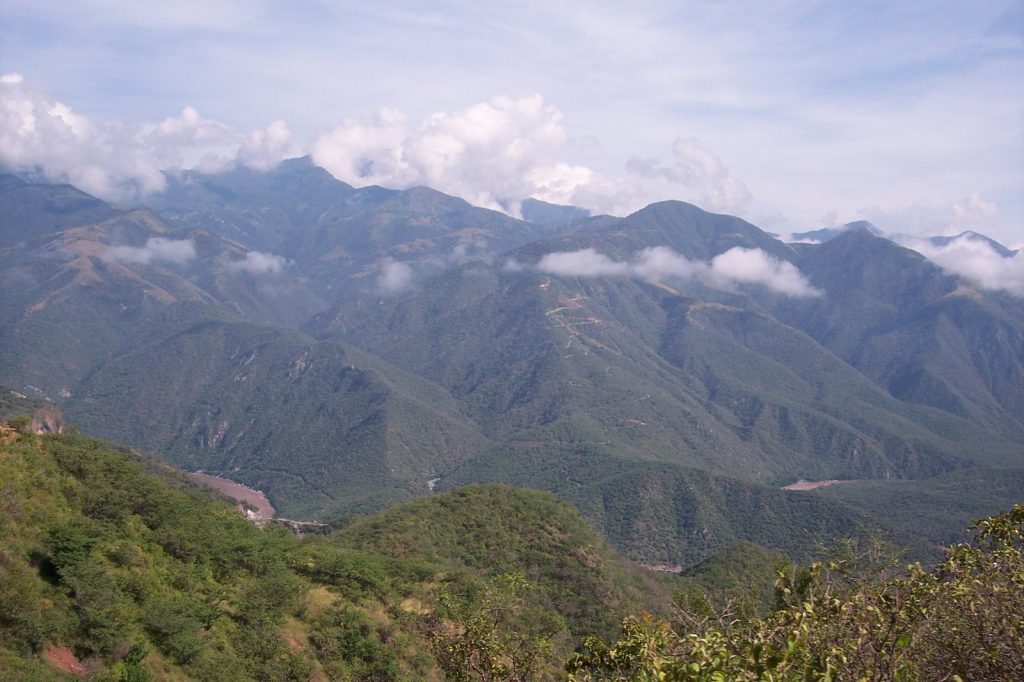
The mine’s remote location adds logistical challenges to the search, prompting a coordinated effort that includes federal police, state police, and military units. Search teams continue to comb the area for additional evidence and, hopefully, the missing workers. The discovery of human remains does not halt the broader operation; investigators maintain their sweep of the region while forensic specialists work to establish identities. Experts caution that the identification process can extend over days or weeks, given the meticulous nature of the work.
The recent detentions represent a potential breakthrough in a case that follows a pattern of violent attacks on industrial facilities in the region. Criminal groups in Sinaloa have a history of extorting, kidnapping, or demanding ransom from companies operating within their territories.
The Canadian mining firm has been cooperating with Mexican authorities from the outset, providing information and supporting the deployment of specialized search units to the site where the remains were found. As of now, the situation for the families of the ten missing miners remains uncertain. They await confirmation of the remains’ identity while the broader community watches a case that underscores the ongoing security challenges faced by foreign enterprises in areas dominated by organized crime.
To summarize the current facts: four people are in custody, human remains have been located, and ten mine workers remain unaccounted for. All other interpretations must await the conclusions of forensic examinations and further investigative findings.




