
Japan Carries Out Execution of the “Twitter Killer” Takahiro Shiraishi
On June 27, 2025, Japanese authorities carried out the death sentence of Takahiro Shiraishi, the 31‑year‑old serial killer known online as the Twitter Killer. He was hanged in Tokyo for the 2017 murders of nine individuals. The execution came after he had exhausted all available appeals. The case began when police raided Shiraishi’s apartment in Zama, Kanagawa Prefecture, after a friend of a missing woman filed a report concerning one of the victims.
Inside, investigators discovered coolers and storage containers filled with human remains, revealing the full extent of his crimes. Shiraishi was convicted of killing and dismembering eight women and one man between August and October 2017.
Three of the female victims were high school students. He located his targets through social media, primarily Twitter, by presenting himself as a sympathetic listener to users who expressed suicidal thoughts or personal difficulties. After gaining their trust, he invited them to his residence, where he strangled them, took their belongings, and then dismembered their bodies, storing the parts in the coolers found by police.
Following the killings, Shiraishi continued to use the victims’ phones to send messages, a tactic that delayed discovery. His confession was immediate once he was apprehended.
The trial attracted intense media coverage, with courtrooms filled with reporters and a public outcry demanding tighter controls on online predators. The case prompted a nationwide reassessment of how social media platforms can be exploited. Lawmakers debated proposals that would require companies to monitor for dangerous interactions and report suspicious behavior to the police, although the legislation did not pass due to privacy concerns.
The debate may be reignited by the execution. For the families of the nine victims, the waiting period lasted eight years.
Some relatives had advocated for a swifter execution, while others preferred life imprisonment, arguing that death was too lenient. The hanging provides a sense of closure, though the trauma remains permanent. The investigation led to changes in police procedures.
Prior to the Zama incident, online luring was not a focal point in missing‑persons inquiries. Afterward, officers received training on digital footprints and platform‑specific risks, and the Kanagawa Prefectural Police overhauled their missing‑persons protocols.
The United States Embassy in Tokyo issued a statement expressing shock at the time of the arrests; no follow‑up statement was released after the execution. The case garnered international attention, with foreign outlets covering the trial in detail. Japan’s justice system, which infrequently imposes the death penalty and usually does so after lengthy delays, moved relatively quickly in this instance.
Shiraishi received a death sentence in 2020, and the appeal process lasted five years. The country retains capital punishment, and public support remains strong, particularly in cases of this nature.
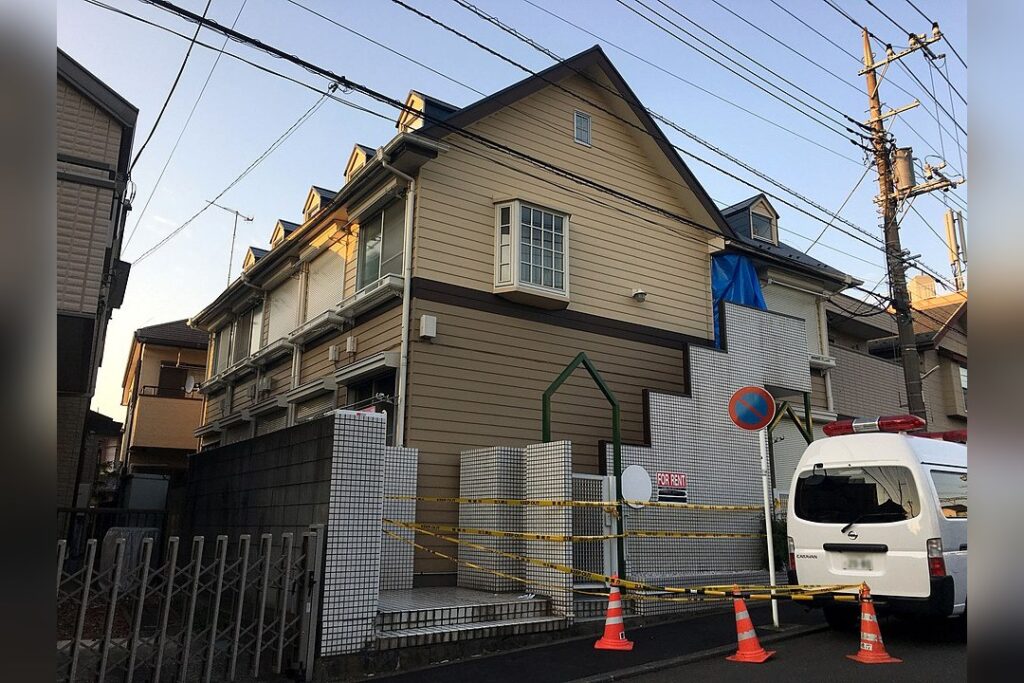
Human rights organizations opposed the hanging, citing concerns about secrecy and the possibility of error. The apartment building where Shiraishi lived still stands. Neighbors say they never suspected anything illicit. After the investigation, the landlord removed the unit’s interior; the space remains empty and is avoided by local residents.
Social media companies have not announced any policy changes directly linked to the case. Critics argue that the method Shiraishi employed — posing as a friend to those in despair — remains easy to replicate and is not detected by existing algorithms.
Although the “Twitter Killer” is now deceased, the nine victims are remembered in court records and police files. Their families continue to bear the weight of the loss. Japan moves forward, but the broader questions about online safety, the vulnerability of users seeking help, and the responsibilities of platform operators remain unresolved.




