
WASHINGTON, July 19 — The figure that matters: At least 85,000 U.S. police officers have been investigated for misconduct, with nearly 2,500 of those facing 10 or more charges. That data point, drawn from enforcement records and academic studies, forms the baseline for a rapidly shifting landscape where technology is remaking accountability. The bottom line: Civilians armed with smartphones and police cars rigged with dashboard cameras are generating a new layer of evidence that bypasses traditional internal-review systems.
Social media and video-hosting sites now serve as de facto public complaint boards, forcing departments to confront behavior that once stayed inside the station house.
How the numbers stack up
The scope is wide. Misconduct includes sexual offences, coerced false confessions, intimidation, false arrest, false imprisonment, falsification of evidence, police perjury, witness tampering, brutality, corruption, racial profiling, unwarranted surveillance, searches, and seizures of property. A 2005 survey confirmed the existence of the “blue code of silence,” where officers shield colleagues from accountability.
A 2019 study in the journal Nature found a contagion effect: misconduct by one officer substantially raised the odds that peer officers would also engage in misconduct. Education correlates with complaint rates.
Studies show better-educated officers receive fewer complaints. The culture of the police agency itself significantly shapes whether misconduct flourishes. Social disorganization, where residents lack strong networks to organize against malpractice, may create a permissive context for abuse.
Cameras and consequences
Civilians increasingly film police activities using smart devices. That footage, uploaded to social platforms, has created a new accountability mechanism. The source material notes that some officers have responded with verbal intimidation and physical violence against those recording, or have illegally seized and destroyed evidence.
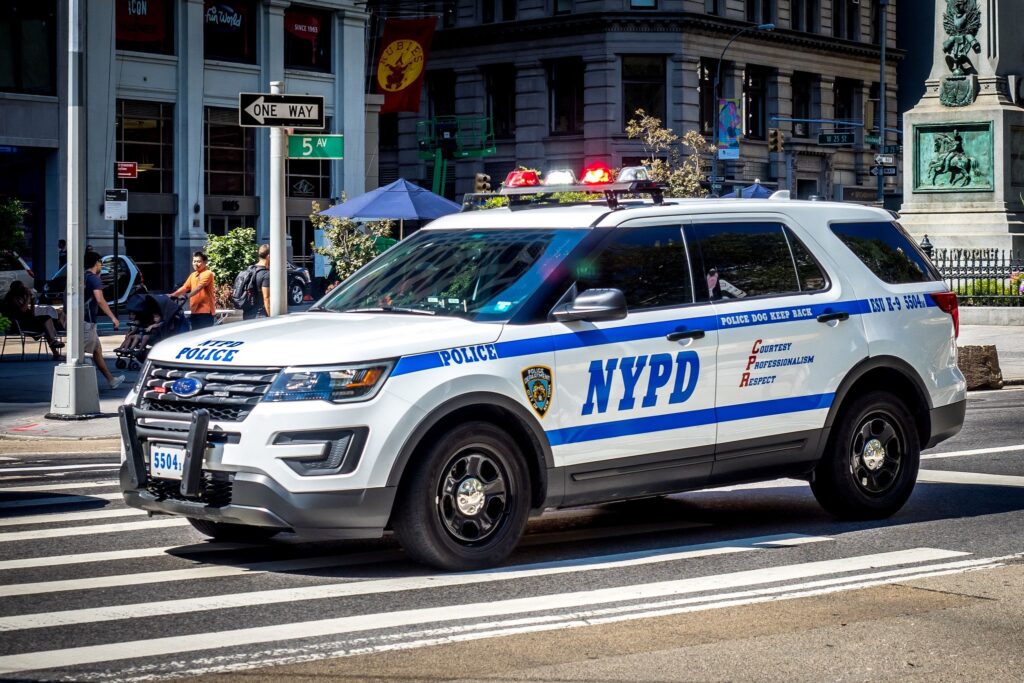
Police cars are often equipped with recording systems designed to deter or document misconduct. The same technology that gives officers wide discretion and minimal supervision also generates a permanent record.
The trend toward civilian oversight agencies conducting investigations and influencing disciplinary decisions is accelerating, partly because video evidence makes internal whitewashes harder to sustain.
What to watch next
By the numbers, the 85,000 investigated officers represent a fraction of the nation’s sworn force, but the 2,500 with 10 or more charges signal a persistent subset. The 2019 Nature finding — that peer misconduct is contagious — suggests that removing repeat offenders could disrupt broader patterns. Technology alone cannot erase the blue code of silence.
But the shift toward civilian filming and vehicle recording systems is forcing data into the light. Watch for additional state-level mandates requiring dash-cam and body-cam footage release, and for courts to weigh the admissibility of citizen-shot video.
The figure that matters may rise as more evidence surfaces, but the underlying trend is toward transparency — and that is the story the data tells.




