
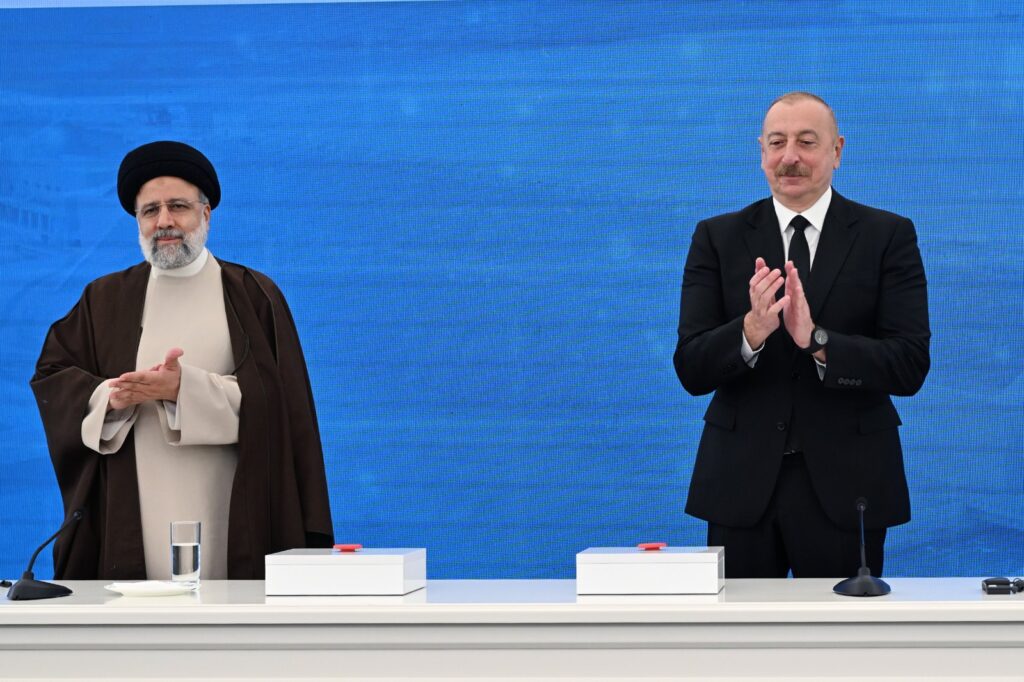
On 19 May 2024, Iran’s eighth president, Ebrahim Rais I, perished in a helicopter crash at the age of 63. The accident ended a political career that began with clerical studies at age 15 and culminated in the nation’s highest office, a position he had held since 2021.
While his death in office makes him only the second Iranian president to die while serving – the first being Mohammad‑Ali Rajai – the event also cemented the most controversial aspect of his public life: his participation in the secret “1988 Iran death commission.” The commission, operating covertly, ordered the execution of thousands of political prisoners detained after the 1979 revolution. United Nations special rapporteurs and various human‑rights organisations have labeled the actions crimes against humanity and have repeatedly identified Rais I as a member of the Tehran branch of the body that carried out the killings.
The epithet “Butcher of Tehran,” which emerged from domestic accounts of the prison massacres rather than foreign media, has long been attached to him. Rais I’s path to the commission was marked by a steady rise through Iran’s judicial hierarchy. After completing his religious education, he served as prosecutor in Karaj, then in Hamadan, before becoming deputy prosecutor and later prosecutor of Tehran.
Each appointment brought him closer to the levers of state power and to the secretive decision‑making group responsible for the 1988 executions. Though the exact death toll remains disputed, human‑rights reports consistently cite “thousands” of victims.
Beyond his judicial roles, Rais I’s political ascent was bolstered by close ties to the country’s religious establishment. He was a member of the Principlist faction, a conservative bloc, and maintained a strong relationship with Supreme Leader Ali Khamenei, which many observers described as the engine of his rise. His marriage to the daughter of Ahmad Alamolhoda – the influential Mashhad Friday‑prayer leader and Grand Imam of the Imam Reza shrine – further linked him to the inner circle of Iran’s clerical elite.
During his presidency, Rais I continued the hard‑line policies that defined his earlier career. He upheld strict social regulations, advanced Iran’s nuclear program, and deepened strategic partnerships with Russia and China.
Domestically, his tenure was marked by large‑scale protests, notably after the death of Mahsa Amini in 2022. Security forces, operating under his authority, responded with force, resulting in hundreds of deaths and thousands of arrests. The helicopter crash that claimed Rais I’s life did not erase the unresolved questions surrounding the 1988 death commission.
International bodies have documented the executions, yet no court has ever tried Rais I for his alleged involvement, and the commission’s archives remain sealed. Families of the executed prisoners continue to demand answers, and the label “Butcher of Tehran” persists in public discourse.
Raisi’s death closes a chapter of Iranian politics, but the legacy of the 1988 executions endures. As long as the commission’s records stay hidden, the debate over accountability and historical memory will remain unresolved, underscoring how a single event in 1988 continues to shape perceptions of Iran’s leadership decades later.




