
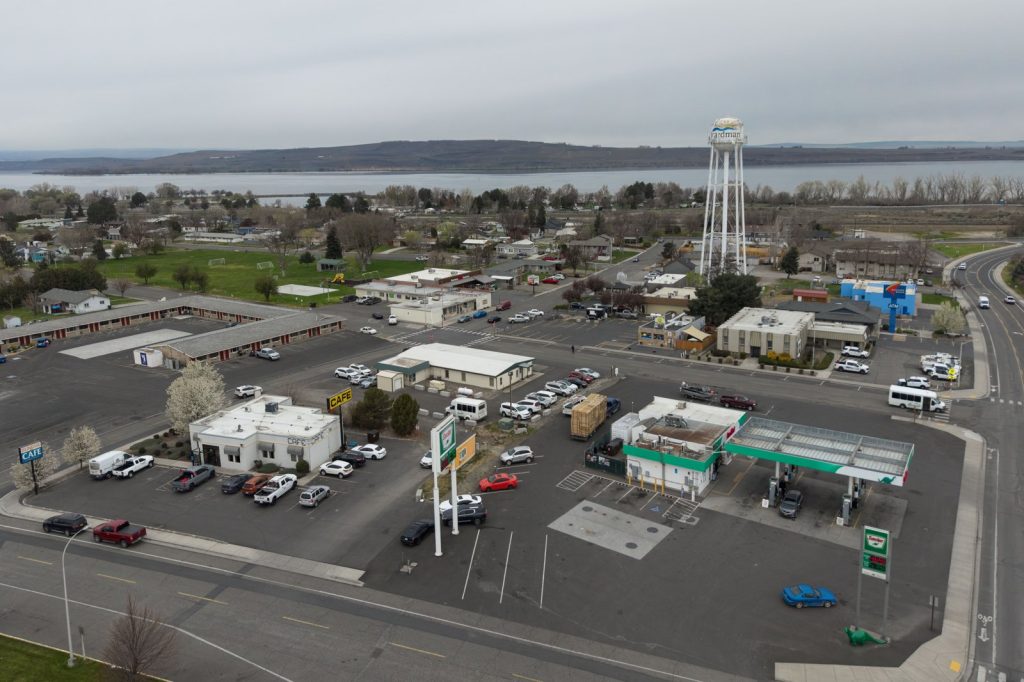
SEATTLE, July 8 — Amazon Web Services lost $4 million to theft at its AI data center construction sites last year, a figure disclosed in a February 2025 Securities and Exchange Commission filing. The thefts hit three locations: Boardman, Oregon; Dublin, Ohio; and Manassas, Virginia. The largest single incident occurred in September 2024 at the Boardman site, where thieves made off with $1.5 million in copper and servers.
The mechanics here are worth dissecting. AWS is pouring $10 billion into new data centers this year — these are the physical plants that power AI services like Amazon Bedrock and SageMaker.
Construction sites, sprawling and full of high-value materials, have become targets. Copper is easily resold; servers have a ready black market. The SEC filing notes that while insurance covers the losses, the real cost is in project timelines.
A stolen server isn’t just a line item — it’s a delay in getting a facility operational. AWS has responded with what it calls a ‘zero-tolerance’ security policy.
That means 24/7 patrols and RFID tracking on all equipment. The company also partnered with local law enforcement in Ohio to create a dedicated task force targeting construction site theft. The catch, on closer reading of the filing, is that these measures are reactive — they address the theft after it has already disrupted the build cycle.
The question is whether they can prevent the next $1.5 million hit before it happens. Follow the money. The $4 million in losses is a fraction of the $10 billion investment plan, but the pattern matters.
If construction site theft becomes a recurring line item, it eats into margins and, more critically, slows the rollout of AI infrastructure. AWS’s competitors are watching.
The company’s data centers are not just warehouses — they are the physical backbone of the AI arms race, and any delay in getting them online gives rivals an opening. The Ohio task force is the most concrete local response. Dublin, Ohio, is one of the three affected sites, and the partnership with local law enforcement suggests the problem is concentrated enough to warrant a dedicated unit.
The SEC filing does not specify whether the other two sites — Boardman and Manassas — have similar arrangements. On closer reading, the zero-tolerance policy appears to be a corporate-wide directive, but its implementation likely varies by jurisdiction.
For investors, the key takeaway is not the $4 million figure itself but what it signals about the vulnerability of large-scale AI infrastructure projects. These are not small, discreet builds. They are massive, multi-year construction efforts that require a constant flow of copper, servers, and other high-value materials.
Theft is a cost of doing business, but the question is whether AWS can scale its security measures as fast as it scales its construction. Looking ahead, the real test will come in 2025 and 2026. With $10 billion in new data center investment this year, the number of active construction sites will multiply.
If the theft rate holds steady, the absolute losses will grow. If the zero-tolerance policy and the Ohio task force prove effective, the per-site loss rate should drop.
The SEC filing provides the baseline; the next quarterly reports will show whether the security measures are working.




