
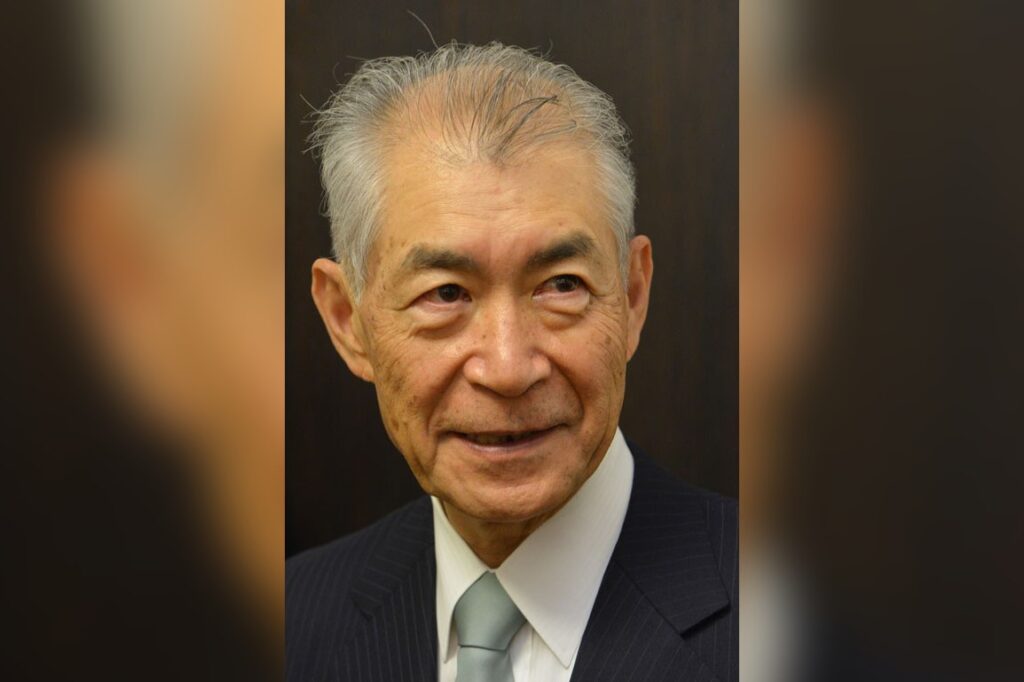
TOKYO, July 5 — The Japanese immunologist Tasuku Honjo, who shared the 2018 Nobel Prize in Physiology or Medicine, is being remembered today for a discovery that reshaped cancer treatment.
Honjo, born in 1942, is a professor at Kyoto University. In 1992, he identified the PD-1 protein on T cells. This protein, he found, acts as an immune checkpoint, inhibiting the body’s immune responses. It would seem a modest biochemical finding at the time.
The salient point, however, was its therapeutic potential. Honjo’s work led directly to the development of PD-1 inhibitors, a new class of drugs. Two prominent examples, pembrolizumab and nivolumab, received approval from the US Food and Drug Administration in 2014.
For all the noise around experimental therapies, these drugs have become a cornerstone of modern oncology. They are now used to treat over 15 cancer types.
Honjo’s contributions have not gone unrecognised beyond Stockholm. He received the Kyoto Prize in 2012 and the Lasker Award in 2015. He shared the Nobel with James Allison, who had worked on a separate immune checkpoint, CTLA-4.
The discovery opened a new class of cancer immunotherapies. Rather than attacking tumours directly, these drugs release the brakes on the immune system, allowing a patient’s own T cells to fight malignancies. The approach has proven effective in a range of cancers, from melanoma to lung cancer.
Researchers continue to build on Honjo’s work, exploring combination therapies and new checkpoints. The field, notably, is still young.
Consult your doctor for medical advice. The Nobel Prize in Physiology or Medicine has a long history of recognizing breakthroughs in immunology. Prior to Honjo and Allison’s work, the concept of harnessing the immune system to fight cancer had been explored for decades, but clinical success remained elusive. The discovery of immune checkpoints provided a more targeted biological mechanism, fundamentally shifting the paradigm of cancer research and treatment.
Honjo’s career at Kyoto University spanned more than four decades, during which he made foundational contributions to understanding antibody diversity and class switching before turning his attention to immunoregulation. His identification of PD-1 was initially part of basic research into programmed cell death, not cancer therapy.
The translational leap from a molecule involved in cell death to a key regulator of T-cell activity exemplifies how fundamental science can yield unexpected clinical applications. The significance of PD-1 inhibitors extends beyond their direct therapeutic effects. These drugs have become a platform for combination strategies, often used alongside chemotherapy, radiation, or other immunotherapies.
The field has also spurred intense investigation into biomarkers that predict patient response, as well as mechanisms of resistance. While not all patients benefit, the durability of responses in some cases has been unprecedented, leading to long-term remission in advanced cancers that were previously considered untreatable.
The recognition of Honjo and Allison by the Nobel Committee underscored a broader shift in oncology: the move from directly targeting tumour cells to modulating the host immune system. This approach has since been applied to other diseases, including infectious diseases and autoimmune disorders. The work continues to generate global research efforts, with numerous clinical trials underway to expand the indications and improve outcomes for patients worldwide.




