
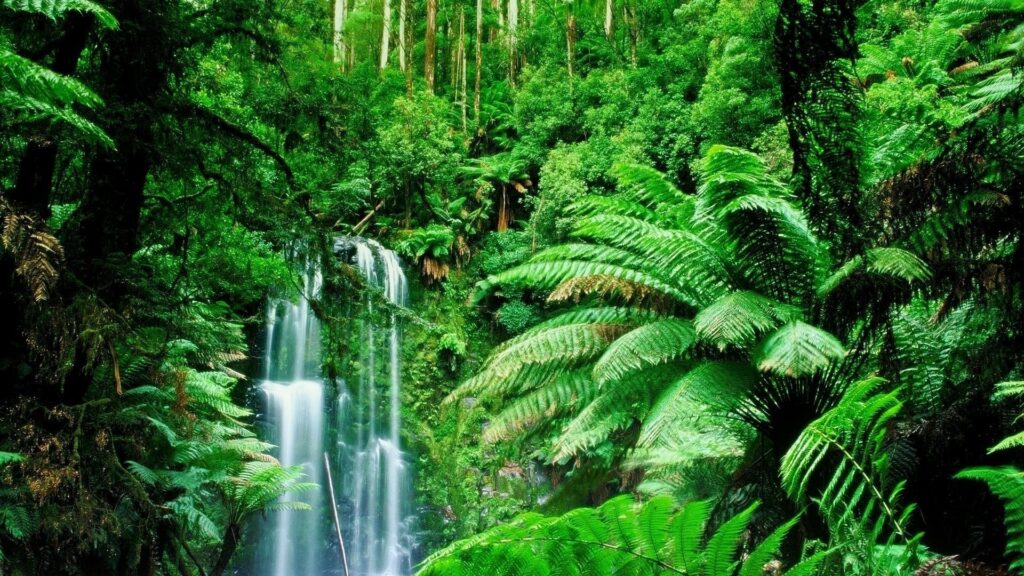
ISLAMABAD, June 27 — A new collection of 14 photographs, titled “Nature Is Everything,” is drawing attention for its stark visual journey from playful environmental interventions to direct warnings about the state of our natural world. The works, ranked by community likes on an active platform, explore themes of timber, fungi, water, flowers, and ice, among other subjects. The images move from what one might call gentle reminders to more pointed critiques.
Early works in the series include playful interventions with natural materials, while later photographs carry a heavier message about environmental degradation. The collection does not shy away from showing the consequences of human activity on landscapes and ecosystems.
One striking aspect of the series is its focus on the materials themselves. Timber appears as both a resource and a subject of artistic manipulation. Fungi are presented in ways that highlight their often-overlooked beauty and ecological importance.
Water, ice, and flowers each receive their own visual treatment, reminding viewers of the fragile balance these elements maintain. The encouraging part for those who follow environmental art is that this collection has found an audience.
The community voting system means these images are being seen and discussed, which suggests a public appetite for work that addresses the natural world with honesty. The photographs do not preach, but they do present evidence of what is being lost. Patients should, in a sense, take these images as a kind of diagnosis.
The visual evidence is clear: our relationship with nature requires careful attention. Early findings from the collection’s reception suggest that people are ready to have this conversation, even when the images are uncomfortable to view. The works that rank highest tend to be those that balance beauty with a clear message.
But the collection is not all warning. Several photographs celebrate the resilience of natural systems—flowers pushing through cracked pavement, fungi breaking down dead wood to create new soil.
These images offer a counterpoint to the more dire scenes, suggesting that nature, if given the chance, can recover. The question that lingers after viewing the 14 works is what comes next. Will this visual language inspire action, or will it remain a conversation piece for those already concerned?
The photographs themselves offer no answers, only documentation. They ask viewers to look closely at what surrounds them—the timber in their homes, the water they drink, the air they breathe.
For now, the collection stands as a record of one moment in time, a snapshot of how artists are processing environmental change. The community response indicates these are not fringe concerns but shared observations. As with any complex health issue—whether personal or planetary—the first step is acknowledging what the evidence shows.
Talk to your doctor, talk to your neighbours, and perhaps most importantly, look at the photographs. The images are there for anyone willing to see them.




