
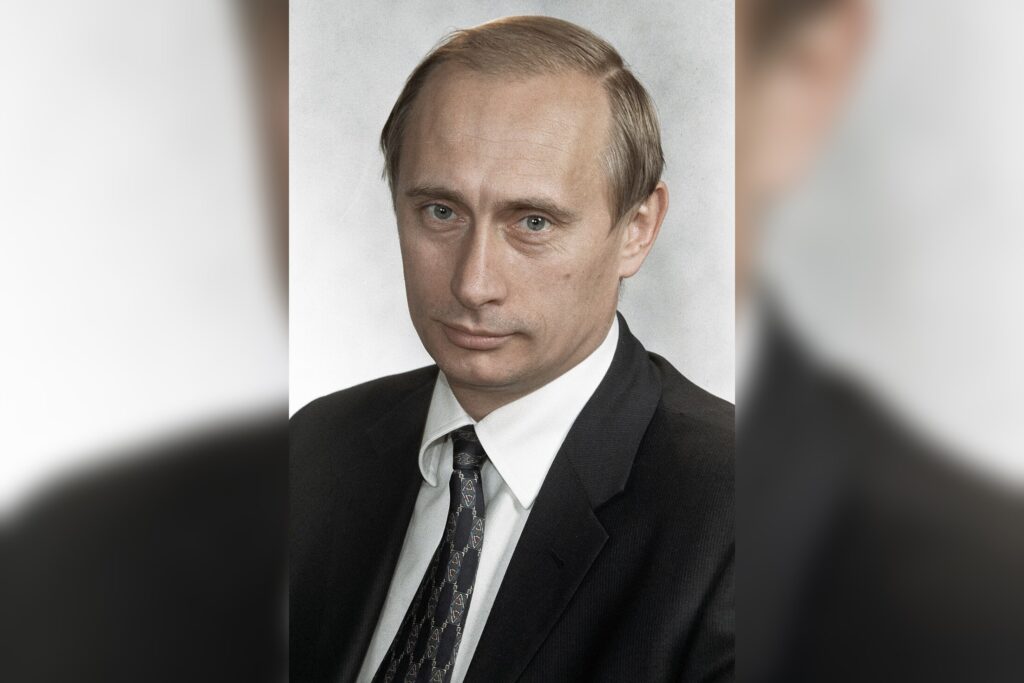
MOSCOW, July 16 — The shift is unmistakable: Vladimir Putin, the man who has dominated Russian politics for a quarter-century, is now a figure defined as much by international legal action and war as by domestic control. The trajectory of his leadership, from KGB officer to the Kremlin, has entered its most volatile phase, and the trend underneath is one of deepening isolation and escalating conflict.
Born in Leningrad on October 7, 1952, Putin’s early career was shaped by 16 years as a KGB officer, where he rose to the rank of lieutenant colonel. That background—secretive, disciplined, and strategic—has informed his entire approach to governance.
He first became president in 2000, serving two terms until 2008, then shifted to prime minister from 2008 to 2012, before returning to the presidency. Since 2012, he has held the office continuously, overseeing a system that has systematically crushed political opposition.
The Crimea and Ukraine Turning Points
The first major break from the post-Soviet order came in March 2014, when Putin ordered the annexation of Crimea, a move condemned by Ukraine and the West as a violation of international law. It triggered the first wave of serious sanctions against Russia, but for Putin, it was a domestic victory—a reclaiming of lost Soviet territory that boosted his approval ratings. Then came February 24, 2022.
On that date, Putin launched a full-scale invasion of Ukraine, with stated goals of “demilitarization” and “denazification” of the country. The invasion was not a limited operation; it was a massive, multi-front assault that reshaped European security.
The war has dragged on for over two years, with no end in sight. The human and economic costs have been staggering, though precise figures remain contested.
International Justice and Sanctions
On March 17, 2023, the International Criminal Court issued an arrest warrant for Putin, alleging war crimes. This was a historic move—the first time the ICC had targeted the leader of a major power. It effectively made Putin a wanted man, restricting his travel to countries that are signatories to the Rome Statute.
Under his leadership, Russia has faced extensive international sanctions, targeting its financial system, energy exports, and key industries. The US and the European Union have maintained and tightened these measures, though their effectiveness is debated.
Watch this space: the long-term economic strain on Russia is real, but so is the regime’s ability to adapt.
Domestic Control and the Fate of Navalny
Inside Russia, Putin’s grip has remained ironclad. State polls consistently show his approval ratings above 70%, though independent observers question the methodology. What’s changing is the intensity of repression.
The most prominent opposition figure, Alexei Navalny, was imprisoned and later died in prison on February 16, 2024. His death sparked international outrage but little visible dissent inside Russia, where independent media has been largely shut down and protest is met with harsh crackdowns.
The regime has also passed laws criminalizing criticism of the military and spreading “fake news” about the war, effectively silencing dissent. The political opposition that remains is either in exile, in prison, or marginalized.
What’s Next
Looking forward, the key questions are whether Putin can sustain this dual posture—war abroad and repression at home—indefinitely. The war in Ukraine grinds on, with no breakthrough. Sanctions continue to bite.
The ICC warrant limits his international mobility. But his domestic base appears stable, and the security apparatus remains loyal.
The trend underneath is a leader who has bet everything on a war he cannot afford to lose, and a system that has no mechanism for peaceful transition. For the West, the challenge is how to respond to a nuclear-armed adversary that is both isolated and unpredictable. For Putin, the clock is ticking on multiple fronts—military, economic, and legal—but he has shown no sign of changing course.
Watch this space.




